
Medical lecturers at UDUS have threatened a five-day warning strike over unpaid allowances and promotion arrears.
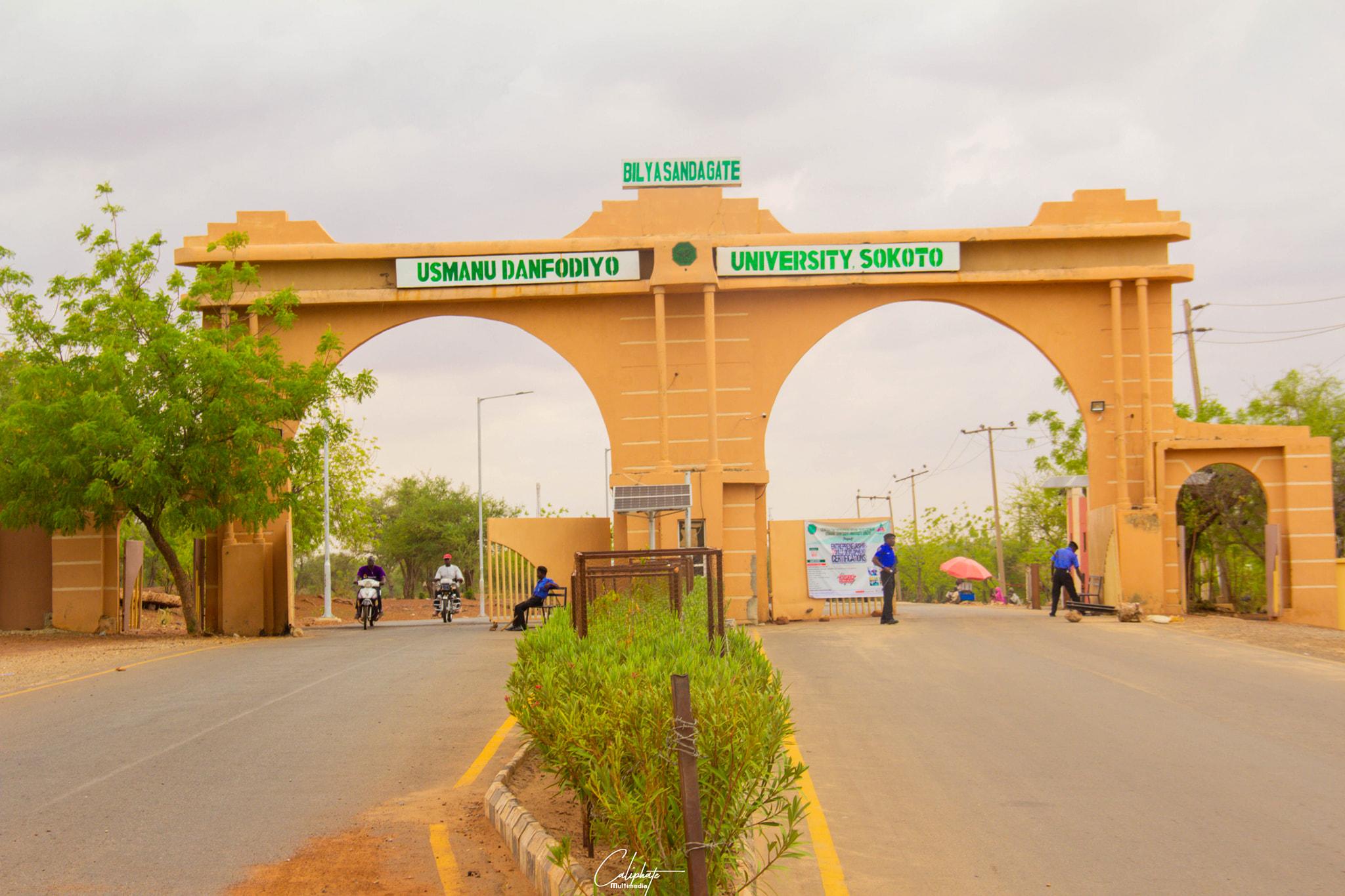
Medical lecturers at Usmanu Danfodiyo University (UDUS), Sokoto, have threatened to embark on a five-day warning strike from November 25, 2026, over unresolved disputes concerning professional allowances, outstanding promotion arrears and alleged irregularities in salary payments.
The lecturers, operating under the Nigerian Association of Medical and Dental Academics (NAMDA), Usmanu Danfodiyo University and Usmanu Danfodiyo University Teaching Hospital (UDUS/UDUTH) Chapter, said the proposed industrial action followed what they described as prolonged delays by the university management in addressing their welfare concerns.
The association warned that failure to resolve the outstanding issues could lead to an indefinite strike after the warning action.
The development raises fresh concerns about the stability of medical education and healthcare-related academic activities at the university, particularly as medical lecturers play important roles in training future doctors, supervising clinical education and supporting the delivery of specialist medical services.
NAMDA announced its position during a press conference held at the Nigeria Union of Journalists (NUJ) Press Centre in Sokoto on Thursday, November 19, 2026.
The association’s statement was signed by its chapter chairman, Professor Usman Bello, and Acting Secretary, Dr Lukman O. Ajiboye.
Why UDUS Medical Lecturers Are Threatening to Strike
According to NAMDA, the proposed strike is connected to several unresolved remuneration issues affecting its members.
One of the major concerns is the alleged partial implementation of professional allowances under the revised Consolidated Medical Salary Structure (CONMESS).
The association said medical academics at UDUS had yet to receive the full benefits of the revised professional allowances, despite what it described as implementation in comparable institutions across Northern and Southern Nigeria.
NAMDA also complained about irregularities in salary payments, alleging that some medical academics on the same CONMESS level and salary step received different amounts.
The association argued that such disparities had created dissatisfaction among members and raised questions about the consistency and fairness of the university’s salary administration.
Another major issue is the non-payment of promotion arrears owed to members who were promoted between 2017 and 2024.
The lecturers further alleged that some eligible members were excluded from the payment of promotion arrears for 2025 and 2026, even though payments had reportedly been made to other staff.
The association said the outstanding payments had remained unresolved despite repeated engagements with the university authorities.
Association Says Previous Efforts to Resolve Dispute Failed
NAMDA maintained that its members had made several attempts to resolve the dispute through dialogue rather than immediately resorting to industrial action.
According to the association, these efforts included meetings with university management, formal correspondence, the submission of supporting documents and interventions by respected senior colleagues.
However, it said the engagements had not produced the desired results.
In its statement, the association said:
“The remuneration challenges facing our members have persisted for a considerable period, notwithstanding sustained dialogue, consultations and peaceful engagement by the Association.”
The lecturers said their decision to issue a strike notice was therefore not taken lightly, but followed what they considered an extended period of unsuccessful negotiations.
NAMDA also expressed concern that medical academics in other comparable universities were enjoying the full benefits of the revised CONMESS arrangements while its members at UDUS continued to experience payment disparities.
The association said the situation had become increasingly difficult for its members, particularly in an environment where experienced medical professionals and academics were leaving Nigeria for opportunities abroad.
Federal Government Directive on Outstanding Arrears
Another important part of the dispute concerns a directive reportedly issued by the Minister of Education to vice-chancellors regarding the payment of outstanding arrears owed to medical teachers.
NAMDA said the minister had directed university authorities to settle the outstanding payments in compliance with a presidential directive.
The association claimed that several other universities had already complied with the instruction, but that the directive remained unimplemented at UDUS despite sustained formal and informal engagements.
“Several sister universities have since complied. Despite sustained engagement, both formal and informal, this directive is yet to be implemented by the management of our university,” the association stated.
The lecturers said the situation had contributed significantly to their frustration and strengthened their resolve to demand the implementation of the outstanding remuneration arrangements.
The association’s position places the dispute within the wider national conversation about the implementation of government-approved remuneration agreements and the welfare of academic and healthcare professionals working in Nigerian public universities.
However, the specific payment obligations and the university’s position on the outstanding claims have not been independently established in the association’s public statement.
Strike to Begin November 25 After 21-Day Notice
NAMDA disclosed that its congress held an emergency general meeting on November 2, 2026, during which members considered the unresolved issues and agreed on the next steps.
Following the meeting, the association issued a 21-day notice to the university management, effective November 3, requesting that the outstanding concerns be addressed.
The association said the proposed five-day warning strike would commence at exactly 12:00 midnight on Wednesday, November 25, if the university failed to resolve the issues by Tuesday, November 24.
This means the university management has until the end of November 24 to reach an agreement with the lecturers and prevent the planned industrial action.
The association explained that its congress initially opted for a warning strike rather than an immediate indefinite shutdown out of respect for President Bola Ahmed Tinubu and the Minister of Education.
It also said the decision was intended to give the university management additional time to implement the outstanding directives and resolve the dispute.
Nevertheless, NAMDA warned that the warning strike might only be the beginning of a more serious industrial confrontation if the issues remained unresolved.
Indefinite Strike Could Follow Warning Action
One of the most concerning aspects of the announcement is the possibility of an indefinite strike.
NAMDA said its congress would review the situation after the five-day warning strike, including whether to proceed with a more comprehensive industrial action.
The association expressed hope that the university management would use the remaining time to resolve the dispute and prevent further disruption.
“Congress would thereafter review the situation, including the possibility of an indefinite strike, an outcome we sincerely hope to avoid,” the statement said.
An indefinite strike would potentially create more serious challenges for the university, particularly within its medical and health-related academic programmes.
Medical lecturers are responsible for more than conventional classroom teaching. Their responsibilities include practical instruction, clinical supervision, assessment of medical students and participation in the training of future healthcare professionals.
A prolonged disruption could therefore affect academic activities, clinical teaching schedules and the progression of students in affected programmes.
The extent of any disruption to patient care or hospital services would depend on which responsibilities and personnel were affected by the industrial action.
Medical Academics Raise Concern Over Brain Drain
NAMDA also linked the dispute to the growing migration of experienced Nigerian medical academics and specialists to other countries, a development popularly described as “japa”.
The association said the continued departure of senior consultants and professors was worsening the shortage of experienced medical teachers.
It argued that the situation was particularly concerning because the Federal Government had directed an increase in medical student admissions as part of efforts to address the country’s shortage of doctors.
According to the association, expanding medical student enrolment without maintaining an adequate number of qualified medical teachers could create further pressure on medical education.
The lecturers said medical teachers, represented by NAMDA, the Medical and Dental Consultants Association of Nigeria (MDCAN) and their parent body, the Nigerian Medical Association (NMA), had continued to make sacrifices to sustain the quality of medical training.
They maintained that their professional responsibilities required adequate institutional support and fair remuneration.
The association warned that persistent welfare problems could make it increasingly difficult for Nigerian universities to retain experienced medical academics at a time when the country needs more qualified doctors and healthcare professionals.
NAMDA Says It Is Still Open to Dialogue
Despite its decision to threaten industrial action, the association reaffirmed its willingness to work with the university management towards a lasting resolution.
NAMDA said it remained concerned about the welfare of its members, the interests of students and the quality of healthcare services.
It stressed that the proposed strike was not its preferred option and expressed hope that the outstanding matters would be resolved before the November 25 deadline.
The university management had not provided a response to the association’s allegations in the report announcing the strike threat.
Consequently, it remains important for the university authorities to clarify the status of the disputed allowances, promotion arrears and reported salary discrepancies.
What Happens Next?
The immediate focus is now on the university management’s response before Tuesday, November 24.
If an agreement is reached and the outstanding issues are addressed to the satisfaction of the lecturers, the planned warning strike could be avoided.
However, if the dispute remains unresolved, NAMDA says its members will commence the five-day warning strike at midnight on November 25.
The association will subsequently review the outcome and decide whether further industrial action is necessary.
For medical students, university staff and other stakeholders, the hope is that both sides will reach an agreement before the deadline.
Beyond the immediate dispute, the situation highlights the continuing challenges surrounding staff welfare, remuneration, medical education and the retention of experienced healthcare professionals in Nigeria.
With the threatened strike date approaching, the university management faces pressure to address the lecturers’ complaints and prevent another disruption to activities at the institution.
About the Author