
Recent waves of violence in northern Nigeria have shattered the belief that the region’s long-running insurgency was fading. Instead of confronting this reality, some narratives have turned to conspiracy theories—ranging from alleged foreign involvement to claims of a so-called “Christian genocide.” However, security experts argue that these explanations distract from the real issue: an insurgency that has evolved, adapted, and grown more complex.
Claims of foreign complicity gained traction after Scott Perry alleged in early 2025 that the USAID funded extremist groups like Boko Haram, though no evidence was provided. The claim was firmly denied by then US Ambassador Richard Mills, but it had already spread widely across public discourse.
Similarly, statements from US politicians such as Ted Cruz and Chris Smith reinforced claims that violence in Nigeria exclusively targets Christians. While attacks on Christian communities have occurred—such as a recent Easter incident in Kaduna—Muslim populations have also been victims. In reality, insurgent violence in the region has long been indiscriminate, affecting multiple communities.
An Insurgency That Has Evolved
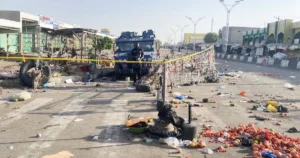
What is unfolding in northern Nigeria is not a new conflict, but a transformed one. Armed groups have adapted both their structure and tactics, making them more resilient and dangerous.
The ISWAP, an affiliate of ISIL, has emerged as the dominant force in the region, overtaking Boko Haram in organisation and operational efficiency. It has expanded its footprint across the Lake Chad Basin and into Sambisa Forest, strengthening its ability to launch attacks and sustain operations.
Modern insurgency is no longer just about ideology—it depends on mobility, supply routes, terrain control, and economic influence. ISWAP, for instance, has built resilience partly through controlling trade networks around Lake Chad, allowing it to finance and sustain its activities.
New Tactics and Technology
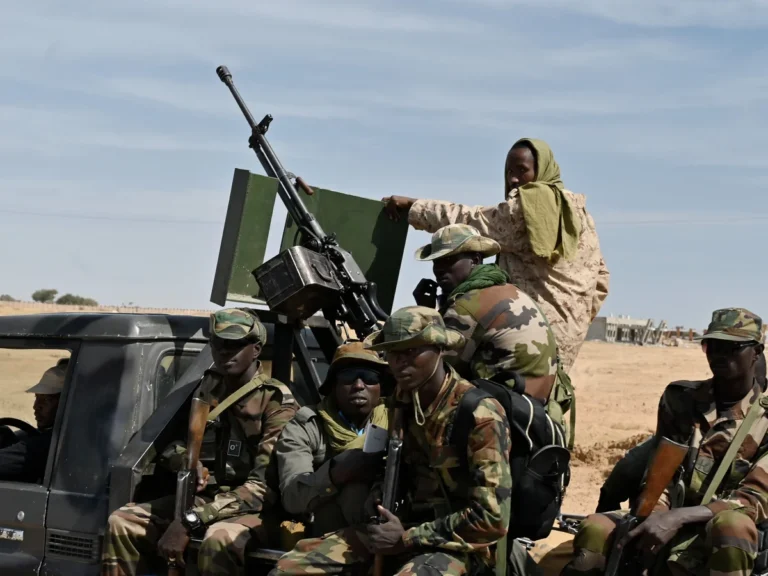
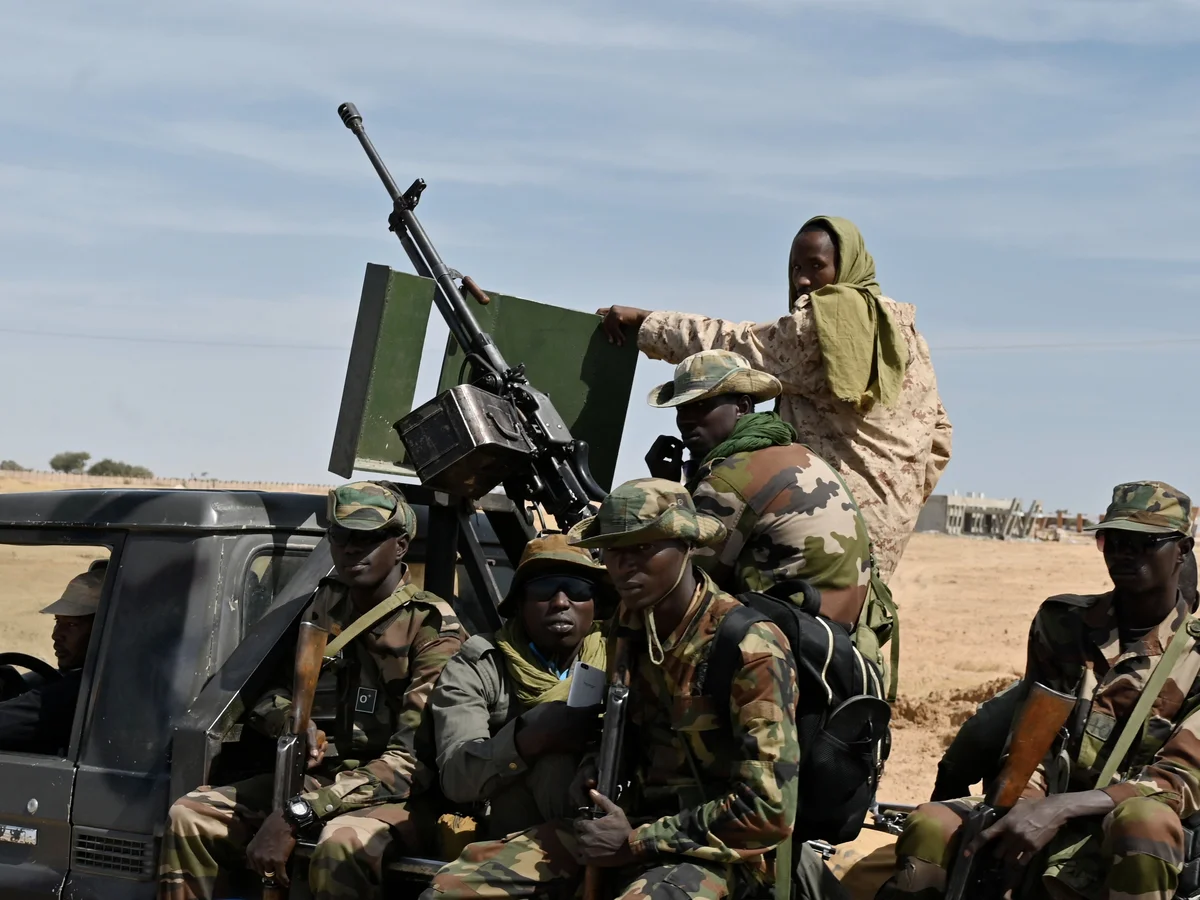
The nature of attacks has also changed. Insurgents now deploy coordinated assaults, ambushes, and night raids aimed not just at inflicting casualties but at isolating military units and delaying reinforcements.
A notable shift is the introduction of drone technology. Commercial drones, modified for combat use, are now part of the battlefield. This evolution carries not only tactical advantages but also psychological impact, signalling a new phase in the conflict.
In addition, insurgents increasingly rely on motorcycle-mounted units, enabling rapid strikes and quick dispersal. This hit-and-run strategy stretches security forces thin, allowing attackers to dictate the timing and location of violence.
Foreign Fighters and Regional Dynamics
Another worrying development is the growing presence of foreign fighters, who bring advanced skills, battlefield experience, and connections to global extremist networks. Their involvement points to a deeper integration between local insurgencies and international militant movements.
This makes the conflict inherently regional, not just national. Northern Nigeria’s security challenges are closely tied to instability across the Sahel and neighbouring countries.
The weakening of regional cooperation has further complicated the situation. The withdrawal of Niger from the Multinational Joint Task Force—following tensions with the ECOWAS—has reduced coordinated military pressure on insurgent groups. This creates gaps that militants can exploit, particularly along porous borders.
Deep-Rooted Domestic Challenges
Beyond military factors, the insurgency continues to draw strength from internal vulnerabilities. Chronic poverty, limited access to education, weak governance, and a fragile social contract in parts of northern Nigeria provide fertile ground for recruitment and radicalisation.
Education plays a critical role in long-term security. While initiatives like the Student Loans Act signed by President Bola Ahmed Tinubu aim to expand access to higher education, the deeper challenge lies at the basic education level, where foundational skills and social integration are formed.
Local governance is equally crucial. Weak or politically constrained local governments struggle to deliver essential services, undermining trust and leaving communities vulnerable to extremist influence. Efforts to strengthen local autonomy—backed by a 2024 Supreme Court ruling—could play a significant role in addressing these structural weaknesses.
The Way Forward
Addressing northern Nigeria’s security crisis requires more than military force. While sustained operations against insurgent strongholds remain essential, experts stress the need for a multi-layered strategy.
This includes improved intelligence gathering, stronger border cooperation, and enhanced regional diplomacy. At the same time, long-term solutions must focus on education, economic opportunity, and effective local governance.
Ultimately, the insurgency persists not because of hidden conspiracies, but because it has adapted to its environment—militarily, economically, and socially. Confronting it will require an equally adaptive and comprehensive response from the Nigerian state and its regional partners.
About the Author