
May 22, 2026 – The US and Iran remain locked in high-stakes negotiations as Iran pushes for a permanent toll system on the Strait of Hormuz — a move Secretary of State Marco Rubio has called “not acceptable” — even as he acknowledges “slight progress” in talks.
The Strait of Hormuz Standoff
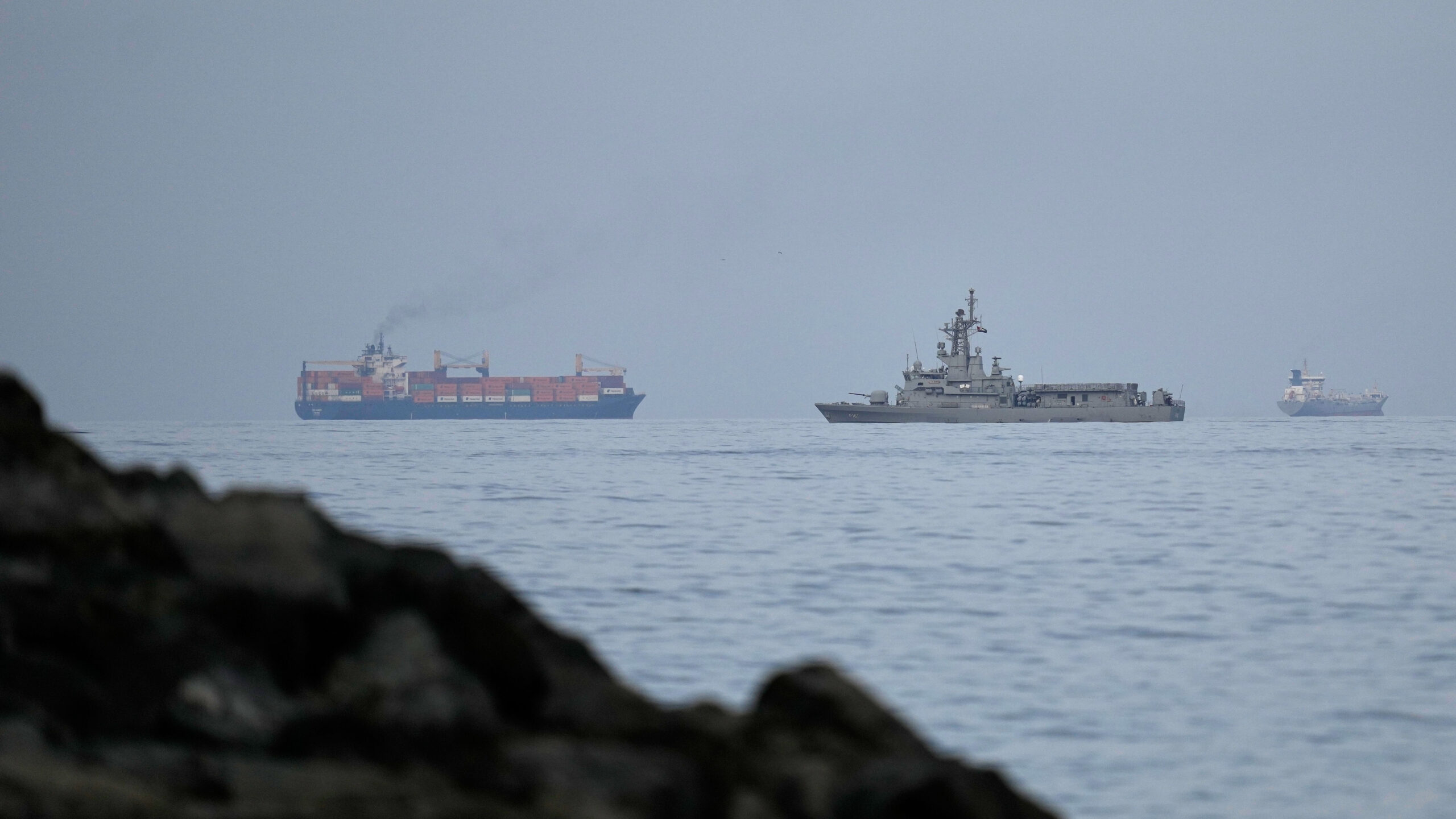
Iran has reportedly held fresh discussions with Oman about enforcing a permanent fee system for vessels passing through the Strait of Hormuz — a critical waterway through which about 20% of the world’s oil passes. Tehran claims this would regulate traffic and compensate for damages from the ongoing conflict, but Washington views it as economic blackmail.
Rubio warned that such a toll system “would make a diplomatic deal unfeasible,” while UAE Diplomatic Adviser Dr. Anwar Gargash placed the odds of a US-Iran agreement at “50-50,” adding that Iran may have “over-negotiated.”
Pakistan Steps In as Mediator
Pakistan is seeking a breakthrough in the peace talks, acting as an intermediary between Tehran and Washington. Both sides have reported a partial reduction in differences, but the gap remains wide — especially on the uranium issue.
Iran’s Supreme Leader, Mojtaba Khamenei has refused to send near-weapons-grade uranium abroad, risking a stronger US military response. Trump has threatened to “hit Iran even harder” if they fail to comply.
Global Impact
The uncertainty has sent oil prices soaring and stock markets tumbling. The EU has already cut its 2026 eurozone growth forecast due to the Middle East energy shock fueling inflation. The world watches anxiously as diplomacy teeters on a knife’s edge.
About the Author