
Lagos State is expected to begin construction of the proposed Lekki-Epe International Airport in 2027, in what could become one of the state’s most significant aviation and infrastructure developments.
Governor Babajide Sanwo-Olu announced the planned commencement during the Lagos East All Progressives Congress (APC) governorship election campaign flag-off in Epe on Thursday, November 12, 2026.
The announcement has renewed attention on the long-planned airport project, which is expected to strengthen the economic potential of the Lekki-Epe corridor and provide additional aviation infrastructure for Nigeria’s commercial capital.
The Lagos State chapter of the APC subsequently welcomed the announcement, describing the proposed airport as an important part of a broader development strategy designed to position the eastern axis of Lagos as a major investment, industrial and commercial centre.
The party’s spokesperson, Mogaji Seye Oladejo, said the necessary groundwork and documentation for the project had been advanced. Deputy Governor and APC governorship candidate, Dr Kadri Obafemi Hamzat, also reaffirmed the administration’s commitment to the proposed development.
A second international airport for Lagos
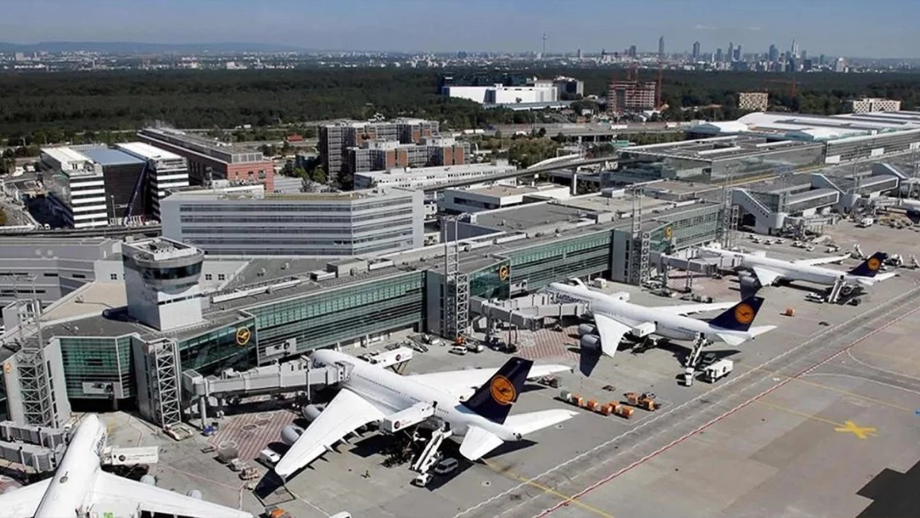
The proposed Lekki-Epe International Airport is intended to provide Lagos with another major international aviation gateway alongside the existing Murtala Muhammed International Airport in Ikeja.
For decades, Murtala Muhammed International Airport has served as Lagos State’s principal international airport, handling a substantial volume of passenger and cargo traffic connected to Nigeria’s commercial activities.
The proposed airport is expected to serve the rapidly developing Lekki-Epe axis, where major industrial, commercial, residential and logistics investments have continued to emerge.
The corridor is home to important economic developments, including the Lekki Deep Sea Port, Dangote Refinery and Lekki Free Trade Zone. These facilities have increased the strategic importance of the area and strengthened the demand for supporting infrastructure.
The state government’s proposed airport is expected to improve access to these investments, support business travel and create additional opportunities for passenger and cargo transportation.
Where will the new airport be located?
The project is planned for the Lekki-Epe area of Lagos State, with government planning documents identifying a proposed site covering approximately 3,500 hectares.
The location is strategically important because of the concentration of industrial and commercial developments along the Lekki-Epe corridor.
The airport is expected to serve businesses operating within the Lekki Free Trade Zone and other industrial facilities, while also improving access to the eastern part of Lagos.
Its development could further increase the attractiveness of Epe and surrounding communities to investors, property developers, manufacturers, logistics operators and other businesses.
However, the precise construction boundaries, detailed layout and final infrastructure specifications should be confirmed through the project’s approved technical and regulatory documents.
How much will the airport cost?
The proposed Lekki-Epe International Airport is a major capital-intensive project.
According to Lagos State Government planning documents published as part of its 2025-2027 Medium-Term Expenditure Framework, the first phase of the airport project is estimated to cost approximately $900 million.
The same government document identifies a 3,500-hectare site for the development and describes the project as a passenger and cargo airport.
The state’s project investment document also identifies a proposed financing structure based on a public-private partnership (PPP) arrangement.
Under the proposed model, private-sector participation is expected to support the financing, development and operation of the facility, with the project structured around a design-build-finance-operate-and-transfer approach.
The government has not, in the latest announcement, provided a fresh breakdown of the amount already secured, the funding contributions of prospective partners or the final financial terms of the project.
It is therefore important to distinguish the published estimated project cost from money already committed or released for construction.
What capacity will the airport have?
The airport has been planned as a major passenger and cargo facility capable of accommodating the aviation needs of a growing commercial and industrial corridor.
Lagos State’s published project investment document describes a development designed to handle up to 15 million passengers annually, with modular domestic and international terminals.
The document also identifies the Boeing 747-400 as the critical aircraft for the airport’s design.
Other project descriptions have referred to a first-phase passenger capacity of at least five million passengers annually. These figures may relate to different development phases or planning assumptions, and the final approved capacity should be confirmed by the relevant project authorities.
The proposed facility is expected to include the essential aviation infrastructure required for international operations, although the latest announcement did not provide a complete construction specification or confirmed list of airlines expected to operate from the airport.
How the airport project started
The Lekki-Epe International Airport is not a completely new idea. It has been part of Lagos State’s long-term infrastructure and economic development plans for several years.
The development vision for the eastern corridor gained attention during the administration of former Lagos State Governor and current President Bola Ahmed Tinubu.
Successive administrations continued work on the broader development strategy for the area.
Former Governor Babatunde Fashola is credited by the Lagos APC with sustaining infrastructure development and improving strategic connectivity along the corridor.
The administration of former Governor Akinwunmi Ambode also advanced preparations for the proposed airport through planning initiatives and its inclusion in the broader Epe development master plan.
In October 2022, the Federal Government’s approval for Lagos State to develop the airport was presented during the Lagos Economic Summit.
In February 2025, Governor Sanwo-Olu announced that the Lagos State Government had signed a Memorandum of Understanding with Summa Group for the development and construction of the proposed airport.
The agreement was presented as an important step towards advancing the project, although an MoU should not be confused with evidence that construction has already commenced.
The latest announcement of a 2027 construction start therefore represents a renewed timetable for a project that has been under consideration for more than a decade.
Expected benefits for Lagos and Nigeria
When completed, the proposed airport could have significant implications for aviation, commerce, tourism and investment in Lagos State.
One expected benefit is improved connectivity for businesses operating in the Lekki-Epe corridor. Companies involved in manufacturing, international trade, logistics and industrial production could benefit from easier access to air transportation.
The airport could also support the growing activities around the Lekki Deep Sea Port and Dangote Refinery, particularly where international business travel and the movement of time-sensitive goods are concerned.
Another anticipated benefit is employment generation.
Airport construction and subsequent operations could create opportunities for engineers, construction workers, aviation professionals, security personnel, administrative staff, hospitality workers, maintenance technicians and other service providers.
Businesses involved in transportation, catering, accommodation, retail, cargo handling and airport-related services could also benefit from increased economic activity.
The development may further encourage investment in surrounding communities, particularly in Epe and other parts of the Lekki-Epe corridor.
Improved aviation access could also support tourism and make the area more attractive to international visitors and investors.
However, the scale of these benefits will depend on the successful delivery of the project, the quality of supporting infrastructure and the ability of the airport to attract airlines, passengers and cargo operators.
Connection with other major infrastructure projects
The proposed airport is expected to form part of a wider network of infrastructure investments along the Lekki-Epe corridor.
These include the Lekki Deep Sea Port, Dangote Refinery, Lekki Free Trade Zone and Lagos Coastal Road.
The Lagos APC has described these projects as interconnected components of a broader economic development strategy intended to strengthen the area’s industrial and commercial importance.
The airport could complement the seaport by providing an additional transportation option for businesses and investors operating in the area.
The Lagos Coastal Road and other road infrastructure projects are also expected to play an important role in improving access to the proposed aviation facility.
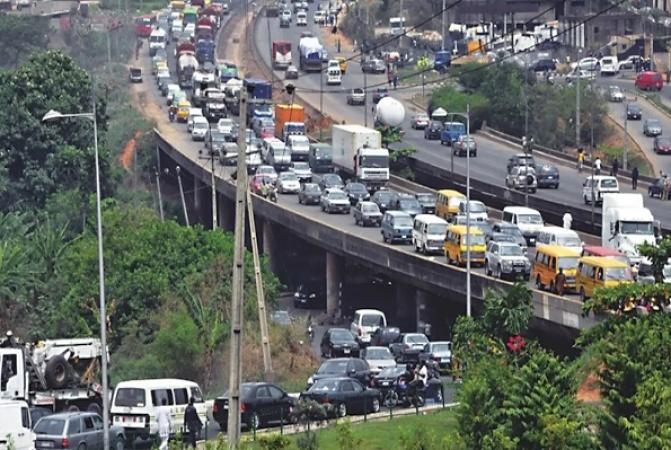
Without reliable road connections, however, passengers, airport workers and cargo operators could face transportation challenges, particularly given the traffic pressures already experienced in parts of Lagos.
The development of access roads, public transportation links, utilities and other supporting facilities will therefore be important to the airport’s long-term success.
Will the airport be named after President Tinubu?
Following the latest announcement, the Lagos APC also suggested that the proposed airport should be named after President Bola Ahmed Tinubu.
According to the party, naming the facility after Tinubu would recognise his contribution to the original development vision for the Lekki-Epe corridor during his tenure as Lagos State governor.
The suggestion was made by the party’s spokesperson, Seye Oladejo, as part of his remarks welcoming the planned commencement of construction.
However, no official decision confirming the proposed name has been announced. The airport should therefore continue to be referred to as the proposed Lekki-Epe or Epe International Airport until the relevant authorities make a formal naming announcement.
With construction now expected to commence in 2027, attention will turn to the practical steps required to move the project from planning to implementation.
These include finalising the necessary technical and regulatory approvals, confirming the financing arrangements, establishing construction timelines, completing procurement processes and clarifying the responsibilities of the public and private-sector partners.
The state will also need to provide more information about the construction phases, contractors, project financing, infrastructure specifications and expected completion date.
Although the latest announcement has generated renewed optimism about the airport, the government has not yet announced a confirmed opening date.
For residents of Epe and surrounding communities, the project represents the possibility of increased economic activity, improved connectivity and new employment opportunities.
For Lagos State, it is an opportunity to strengthen its position as a major centre for international trade, business and transportation.
If successfully delivered, the Lekki-Epe International Airport could become an important addition to Nigeria’s aviation infrastructure and provide a new gateway for the rapidly developing eastern corridor of Lagos.
For now, the major milestone to watch is the proposed commencement of construction in 2027.
About the Author