
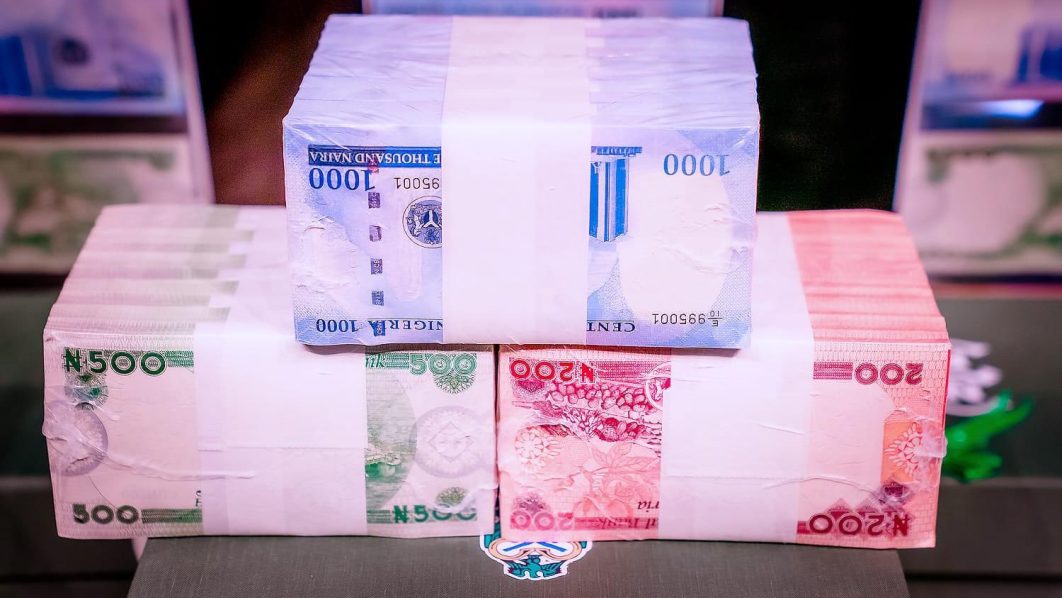
Central Bank of Nigeria (CBN) has unveiled a sweeping overhaul of the country’s cash management framework, introducing stricter cash withdrawal limits and eliminating fees on excess deposits in an effort to curb cash dependency and reduce money-laundering risks.
According to a circular issued to banks and other financial institutions, the new regulations will take effect on January 1, 2026. Under the revised policy, individuals will be limited to cumulative weekly cash withdrawals of ₦500,000, while corporate organisations will be restricted to ₦5 million within the same period. Withdrawals exceeding these thresholds will attract processing fees of 3% for individuals and 5% for corporates.
The Central Bank described the measures as part of its broader strategy to enhance security, reduce the cost of cash management, and strengthen Nigeria’s shift toward a cashless economy. “The measures aim to moderate the rising cost of cash management, address security concerns, and reduce the potential for money laundering,” the CBN stated.
This development comes shortly after Nigeria—alongside South Africa—was removed from the Financial Action Task Force (FATF) list of countries under increased monitoring for illicit financial flows. The new policy reinforces the country’s commitment to sustaining compliance with global financial standards.
Additionally, the Central Bank has scrapped the special monthly withdrawal authorisations that previously allowed individuals to access up to ₦5 million and corporates up to ₦10 million. Exemptions earlier granted to embassies and donor agencies have also been removed. However, government revenue accounts and select financial institutions will continue to enjoy exemptions under the updated framework.
The circular further directs banks to report all transactions that exceed the newly established limits and to maintain separate ledgers for the collection of associated charges. The CBN noted that these measures are critical to improving transparency and enhancing oversight within the financial system.
About the Author