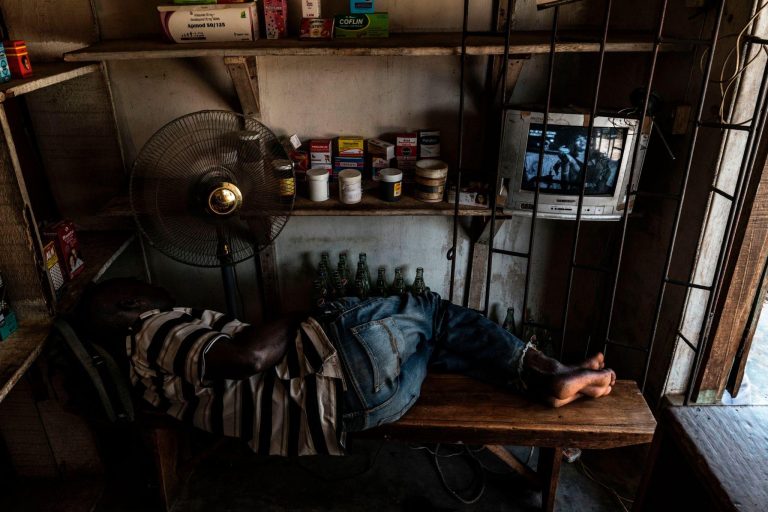

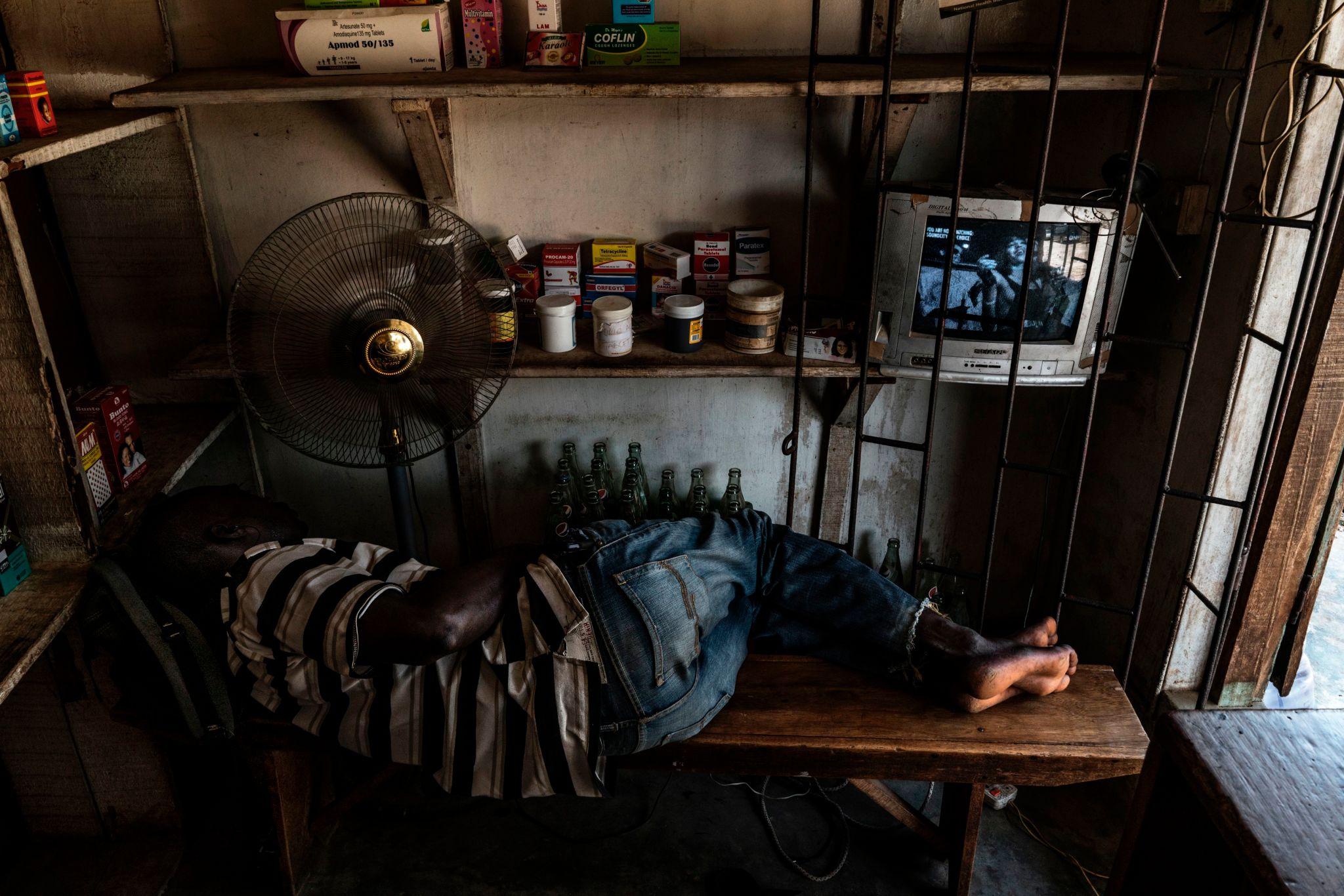
Rising temperatures and unreliable electricity supply are forcing residents across several Nigerian states to sleep outdoors, take repeated night-time baths and spend more money on alternative power sources as the country prepares for the dry season.
For many Nigerians, getting a good night’s sleep has become increasingly difficult. Across several parts of the country, households are struggling to escape persistent heat, with unreliable electricity supply making an already uncomfortable situation considerably worse.
From Plateau to Enugu, Benue, Nasarawa, Kano, Niger, Edo, Bayelsa and Ogun states, residents have described increasingly uncomfortable nights, with some families abandoning their bedrooms and sleeping on verandas, in open compounds and under trees in search of cooler air.
The situation has raised concerns about the health and wellbeing of millions of people, particularly children, older persons and individuals with existing health conditions.
According to residents who spoke with Saturday PUNCH, the combination of rising temperatures, prolonged power outages, limited access to water and the high cost of petrol and alternative electricity sources has made it increasingly difficult for households to cope.
The development comes as the Nigerian Meteorological Agency warns that Nigerians should prepare for hotter conditions as the country moves from the rainy season into the dry season.
Families abandon bedrooms as night-time heat intensifies
In Jos, Plateau State, some residents have reportedly resorted to sleeping on verandas and in open compounds because their rooms become unbearably hot, particularly when electricity is unavailable.
A community leader in Angwa Rogo, Jos North Local Government Area, Hamisu Abdullahi, said families were finding it difficult to cope with the situation, especially households with young children and elderly members.
He explained that some residents now sleep outdoors because they cannot operate electric fans during prolonged power outages.
Sarah Dangyang, a women leader in Tudun Wada, also described the difficulties faced by parents trying to keep their children comfortable.
She said some parents had resorted to bathing their infants repeatedly to help them cope with the heat, while others relied on rechargeable fans costing between ₦25,000 and ₦60,000.
Residents in other states have reported similar experiences.
In Enugu State, resident Ken Ezim said the heat had become particularly uncomfortable, making it difficult to sleep at night.
He explained that the cost of petrol had made generator use increasingly expensive, leaving many households with limited alternatives when public electricity supply failed.
Ezim said he sometimes takes a bath before going to bed and another around 1am or 2am when the heat becomes unbearable.
Another resident, Theresa Achugo, said her family sometimes leaves the house to sit under trees because the indoor temperature becomes uncomfortable during power outages.
She also expressed concern about keeping children comfortable while protecting them from mosquito bites when sleeping outdoors.
In Benue State, the situation has also affected residents of Otukpo and Makurdi.
Community leader Sunny Edi said some families in his community now sleep outside because the heat makes remaining indoors difficult, even when electricity is occasionally available.
A retired civil servant in Makurdi, Peter Atoundo, said he had been following his physician’s advice to drink sufficient water and take regular baths to manage the uncomfortable weather.
Electricity shortages and rising costs worsen the situation
For many households, the problem goes beyond uncomfortable temperatures.
The cost of running generators has become a major obstacle, particularly for families already struggling with increasing living expenses.
Residents in Nasarawa State, including those in Lafia, Akwanga and Keffi, have complained about worsening electricity supply and the difficulty of finding affordable alternatives.
A Lafia resident, Abubakar Yahuza, said many people had stopped sleeping inside their rooms at night because of the heat.
Hanatu Ibrahim, another resident, noted that the high cost of petrol had prevented many families from depending on generators to cool their homes.
In Kano State, residents of Farm Centre in Tarauni Local Government Area also reported sleep disruption caused by the combination of high temperatures and unreliable electricity.
Some households have reportedly resorted to sleeping outdoors under mosquito nets, while residents who can afford it have invested in solar power systems.
In Minna, Niger State, residents described the early onset of dry-season conditions as another factor contributing to the uncomfortable weather.
A resident of Tunga Bypass, Hajiya Aishatu Nda, complained about electricity disconnection in her compound, which she attributed to an outstanding electricity bill.
She said the development left residents without power throughout the weekend, worsening the difficulties already created by the heat.
Community leader Musa Abdullahi also raised concerns about water availability and the increasing cost of water supplied by vendors.
The concerns highlight how electricity and water shortages can combine to make extreme weather particularly difficult for low-income households.
Solar-powered fans become an alternative
In Ogun State, some residents have begun investing in solar-powered fans to reduce their dependence on public electricity supply.
A civil servant, Toke Olukoya, said she had invested in solar-powered fans because of concerns about unreliable electricity.
Another resident, Lekan Aina, said he purchased three solar-powered fans to help his wife and children cope with the heat.
The growing reliance on rechargeable appliances, solar systems and generators illustrates how households are spending additional money simply to maintain a comfortable living environment.
However, these alternatives remain financially inaccessible to many families.
In Bayelsa State, community leader Anthony Akpagra said households relied on electric fans whenever electricity was available but struggled to afford the fuel required to operate generators.
In Edo State, some communities have also been affected by electricity interruptions. Community leader Gabriel Osa said a recent power outage following an electricity workers’ strike left residents in darkness for about a week.
Traditional and community leaders in the state have reportedly started using local communication channels to educate residents on measures to reduce heat exposure.
NiMet warns of hotter days as dry season approaches
The Nigerian Meteorological Agency has warned that Nigerians should prepare for hotter days as the country transitions from the rainy season into the dry season.
The agency explained that reduced rainfall, less cloud cover and changing wind patterns could allow more sunlight to reach the Earth’s surface, contributing to higher daytime temperatures.
It also warned that high humidity could increase discomfort by making it more difficult for the human body to cool itself through sweating.
The possible consequences include dehydration, heat exhaustion and heatstroke.
The agency has also raised concerns about dust and haze, which could irritate the eyes and respiratory system, particularly among people living with asthma and other respiratory conditions.
NiMet advised Nigerians to drink water regularly, wear lightweight clothing, avoid prolonged exposure to direct sunlight and schedule strenuous outdoor activities for cooler periods.
It also encouraged schools and workplaces to provide adequate ventilation, drinking water and shaded rest areas.
Health experts warn against dehydration and heatstroke
Medical experts have urged Nigerians to take the health risks associated with extreme heat seriously.
The National Publicity Secretary of the Nigerian Medical Association, Professor Olayinka Atilola, advised residents to increase their water intake and reduce their consumption of alcohol, caffeine and sugary drinks.
He explained that excessive sweating during periods of intense heat could cause dehydration, making it important for people to replace fluids lost by the body.
Atilola also recommended wearing loose-fitting, lightweight clothing and taking regular showers with lukewarm water.
He advised Nigerians to avoid strenuous outdoor activities during the hottest hours, particularly between 11am and 4pm.
He further urged families to pay special attention to children and older persons, who may require additional protection during periods of extreme heat.
Symptoms such as severe weakness, dizziness, headaches and muscle cramps should not be ignored, as they could indicate that the body is struggling to cope with high temperatures.
The Director of Public Health in the Kaduna State Ministry of Health, Dr Sadique Abubakar, similarly advised residents to minimise exposure to excessive heat, drink sufficient water and ensure proper ventilation in their homes.
He warned that people experiencing symptoms suggestive of heatstroke should seek medical attention promptly.
Former Chairman of the Nigerian Medical Association in Kaduna State, Dr Sheyin Madaki, also warned that unusually high temperatures could persist until February 2027.
He encouraged Nigerians to drink water regularly, even when they do not feel thirsty, and to pay attention to warning signs such as confusion, nausea, dizziness and excessive sweating.
Climate change and urbanisation add to heat exposure
Climate and environmental experts have also raised concerns about the factors making Nigerian communities particularly vulnerable to extreme heat.
Gboyega Olorunfemi, Project Lead at the Society for Planet and Prosperity, attributed part of the country’s vulnerability to rapid urbanisation.
He explained that limited tree cover, poorly ventilated housing, unreliable electricity and inadequate access to cooling facilities were increasing exposure to heat stress.
People working in agriculture, construction, waste disposal and other outdoor occupations are particularly vulnerable because their jobs often require prolonged exposure to sunlight.
In a separate report published by BusinessDay on October 26, researchers at the University of Chicago’s Climate Impact Lab projected that Nigeria could record approximately 31,400 additional heat-related deaths between September 2026 and February 2027 under the scenario examined in its El Niño Heat Mortality Tracker.
The estimate highlights the potential public-health consequences of extreme temperatures, although it is a projection rather than a confirmed death toll.
The report also pointed to Nigeria’s electricity challenges as a major factor limiting the ability of households to protect themselves from extreme heat.
What Nigerians can do to stay safe
While reliable electricity, improved water supply and better urban planning remain important long-term solutions, health experts say individuals can take practical steps to reduce their exposure to excessive heat.
Residents are advised to:
- Drink water regularly throughout the day, even when they are not thirsty.
- Wear lightweight, loose-fitting and breathable clothing.
- Avoid unnecessary outdoor activities during the hottest hours.
- Stay in shaded, well-ventilated areas whenever possible.
- Take regular showers or use cool, damp towels to help regulate body temperature.
- Check on children, elderly relatives and vulnerable neighbours.
- Avoid excessive alcohol and sugary drinks.
- Seek medical attention when experiencing severe weakness, dizziness, confusion, persistent vomiting or other worrying symptoms.
As Nigeria moves deeper into the dry season, the combination of rising temperatures, electricity shortages and limited access to affordable cooling is likely to remain a major concern for households.
For families already struggling with the cost of living, the challenge is no longer simply enduring the daytime sunshine. It is finding a way to sleep comfortably at night without spending money they can barely afford on petrol, rechargeable fans and alternative power.
Until electricity and water supply improve, millions of Nigerians may continue to face an uncomfortable question every night: where can we find enough cool air to sleep?
About the Author