
Pope Leo XIV Discharged From Hospital After Lung Cancer Surgery, Vatican Confirms
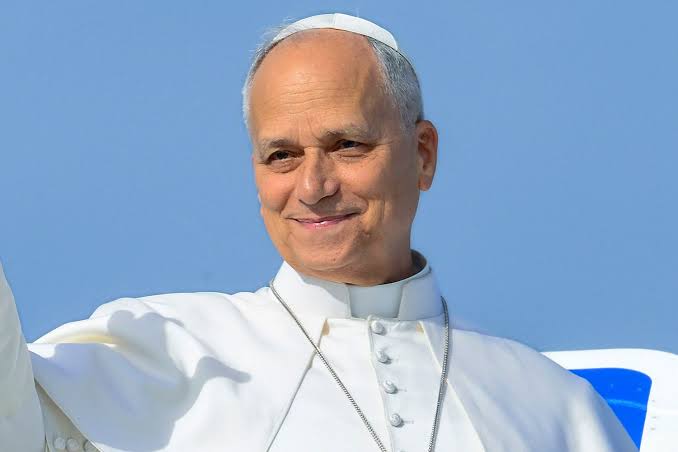
Pope Leo XIV has been discharged from Rome’s Agostino Gemelli Hospital following surgery to remove a cancerous growth from his right lung, with the Vatican confirming that medical assessments showed he was fit to return to the papal residence.
The 71-year-old pontiff left the hospital on Saturday, October 17, 2026, four days after undergoing surgery on October 13. His discharge followed a review of blood test results, a chest X-ray and his overall clinical condition by his medical team.
The announcement marked an important milestone in the Pope’s recovery after the Vatican confirmed that the lung growth removed during surgery was a pulmonary adenocarcinoma, a type of cancer that develops in glandular cells.
The Holy See Press Office said the Pope would return to the Vatican and lead the traditional Angelus prayer on Sunday, October 18, from the window of the papal apartment.
The discharge came earlier than the approximately one-week hospital stay initially anticipated by Vatican officials. However, further medical follow-up will be necessary, and the full implications of the cancer diagnosis will depend on the doctors’ assessment of the removed tissue and any additional treatment they recommend.
Vatican Confirms Pope Leo XIV Is Fit for Discharge
The Vatican announced the discharge decision after the Pope’s doctors completed their latest postoperative assessment on Saturday morning.
Dr Luigi Carbone, the Pope’s personal physician, and Professor Stefano Margaritora, the surgeon who led the operation, reported that the blood tests and chest X-ray supported the decision to allow him to leave hospital.
The Holy See Press Office subsequently confirmed that the Pope would depart Gemelli Hospital during the early afternoon and return to the Vatican.
The decision followed several days of updates indicating that his recovery was progressing as expected.
Although the initial plan was for him to remain in hospital for approximately a week, the medical team determined that his condition allowed for an earlier discharge.
Pope Leo’s release from hospital does not, by itself, establish that the cancer has been completely eliminated or that no further treatment will be necessary. Information about the extent of the disease and the need for additional care will depend on the findings from the medical examination of the removed tissue.
The Vatican has continued to provide updates on his condition, while the medical team remains responsible for determining the next stages of his recovery.
What Happened During the Pope’s Lung Surgery?
Pope Leo XIV was admitted to Gemelli Hospital on Tuesday, October 13, after medical examinations identified a small, localised nodule in his lung.
The Vatican had announced beforehand that he would undergo surgery to remove the abnormal growth.
During the operation, surgeons removed the lower lobe of his right lung, a procedure known as a lobectomy. The operation was intended to remove the affected tissue.
Subsequent information from the Vatican confirmed that the growth was diagnosed as pulmonary adenocarcinoma.
Adenocarcinoma is a form of cancer that develops in glandular cells. In the lungs, it is a type of non-small-cell lung cancer.
The Vatican reported that the operation was successful and that there were no surgical complications.
However, the precise stage of the cancer, whether it had spread beyond the removed tissue and whether further treatment would be required were not fully established in the public updates available at the time of his discharge.
These distinctions are important because the removal of a cancerous growth and the completion of cancer treatment are not necessarily the same thing.
The Pope’s medical team will need to assess the available findings and determine whether monitoring alone or additional treatment is appropriate.
Pope Leo’s Recovery Progressed During Hospital Stay
Updates released during the Pope’s hospitalisation indicated that he was gradually returning to routine activities.
On October 14, the Vatican reported that his blood tests and chest X-ray showed that his postoperative recovery was progressing normally, with results within the expected range for the operation.
He also began respiratory physiotherapy and walked around his hospital room.
The Pope resumed eating normally, including breakfast and lunch, as his recovery progressed.
Respiratory physiotherapy is commonly used after lung surgery to support breathing, help patients manage postoperative respiratory changes and assist recovery.
By October 16, Pope Leo had celebrated Mass in the room set aside for that purpose on the hospital’s 10th floor.
The developments suggested that his immediate postoperative recovery was progressing sufficiently for the medical team to consider discharge.
Nevertheless, recovery from lung surgery continues after a patient leaves hospital. Rest, medical supervision, follow-up examinations and adherence to professional advice remain important parts of the process.
Pope Leo Greets Well-Wishers as He Leaves Hospital
The Pope’s departure from Gemelli Hospital on Saturday attracted the attention of journalists, pilgrims and supporters who had gathered outside the medical facility.
Reports from the scene said he walked out of the hospital and waved to those waiting for him before leaving for the Vatican.
He also greeted patients inside the hospital alongside his lead surgeon before departing.
When asked about his condition, the Pope indicated that he was feeling better.
His public appearance offered supporters an opportunity to see him following several days of medical updates and uncertainty about how long he would remain hospitalised.
The Vatican has not suggested that his discharge should be interpreted as an immediate return to his full schedule. The recovery period following surgery remains important, and decisions about his public engagements will depend on his condition and medical advice.
Pope Leo XIV Expected to Lead Sunday Angelus Prayer
One of the first scheduled activities following the Pope’s discharge was the traditional Angelus prayer on Sunday, October 18.
The Vatican announced that he would lead the prayer from the window of the papal apartment rather than immediately resume a full programme of public engagements.
The Angelus is a traditional Catholic prayer recited at midday, often accompanied by a short reflection from the Pope and prayers for the Church and the wider world.
The Sunday appearance would provide an opportunity for the pontiff to reconnect with the faithful after his hospitalisation.
However, the format also allows him to participate without immediately returning to the demands of a large public gathering.
The Vatican had previously cancelled the Pope’s scheduled audiences and engagements through October 20 because of the operation and expected hospital stay.
Further information about his schedule and the resumption of other activities will depend on subsequent announcements from the Holy See.
What Is Known About the Pope’s Cancer Diagnosis?
The Vatican’s confirmation of pulmonary adenocarcinoma added important information to the earlier announcement that doctors had discovered a localised lung nodule.
A lung nodule is a small area of abnormal tissue in the lung. Such nodules can have different causes, and medical assessment is needed to determine whether they are cancerous.
In Pope Leo’s case, the Vatican confirmed that the tissue removed during surgery was cancerous.
The publicly available information at the time of discharge did not provide a complete account of the cancer’s stage or establish whether further treatment would be needed.
Those questions are medically significant because treatment decisions depend on several factors, including the characteristics of the tumour, the results of tissue examinations and whether there is evidence of disease elsewhere.
The fact that doctors cleared the Pope for discharge indicates that they considered his immediate postoperative condition suitable for leaving hospital. It should not be treated as confirmation that all questions concerning his cancer have been resolved.
The Vatican is expected to provide further information when appropriate, subject to the medical team’s assessments and the Pope’s privacy.
Will the Pope Continue His Planned Latin America Visit?
Pope Leo XIV is scheduled to undertake a Latin American visit from November 6 to 17, 2026, with Uruguay, Argentina and Peru among the destinations associated with the planned trip.
His hospitalisation raised questions about whether the journey would proceed as scheduled.
According to reports published on Saturday, his lead surgeon indicated that there were no clinical reasons at that point to prevent the planned visit.
That assessment offers a positive indication regarding the possibility of travel, but it does not eliminate the need for continued recovery and medical review.
The final decision will depend on the Pope’s progress, the advice of his doctors and any changes to his condition or treatment plan.
A demanding international trip involves travel, public appearances and extended engagements. The medical team will need to consider whether those demands are appropriate during the recovery period.
As of the discharge announcement, the Vatican had not established that the cancer diagnosis would require the trip to be cancelled. Equally, the public should not assume that every scheduled activity will necessarily proceed without adjustment.
What Happens Next in Pope Leo’s Recovery?
The Pope’s discharge marks the transition from hospital-based postoperative care to recovery outside the medical facility.
The next stages are likely to involve continued clinical monitoring, follow-up examinations and decisions based on the findings from the removed lung tissue.
The medical team will need to determine whether the surgery has removed the cancer completely and whether any additional treatment or surveillance is appropriate.
His public schedule may also be adjusted to accommodate rest and recovery.
The Vatican’s announcement that he would lead the Angelus prayer on Sunday indicates that he intends to maintain some contact with the faithful, although this does not mean that he will immediately resume every normal duty.
For Catholics around the world, the news provides an important update on the health of the leader of the Roman Catholic Church. For the Vatican, the immediate priority remains supporting his recovery while ensuring that future medical decisions are based on clinical findings.
The coming days and weeks should provide a clearer picture of his recovery, the findings from the surgery and whether his planned international engagements can proceed as expected.
About the Author