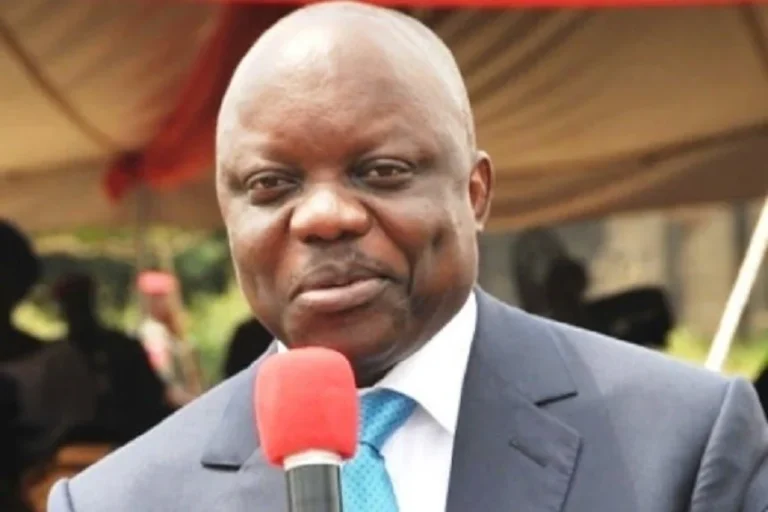

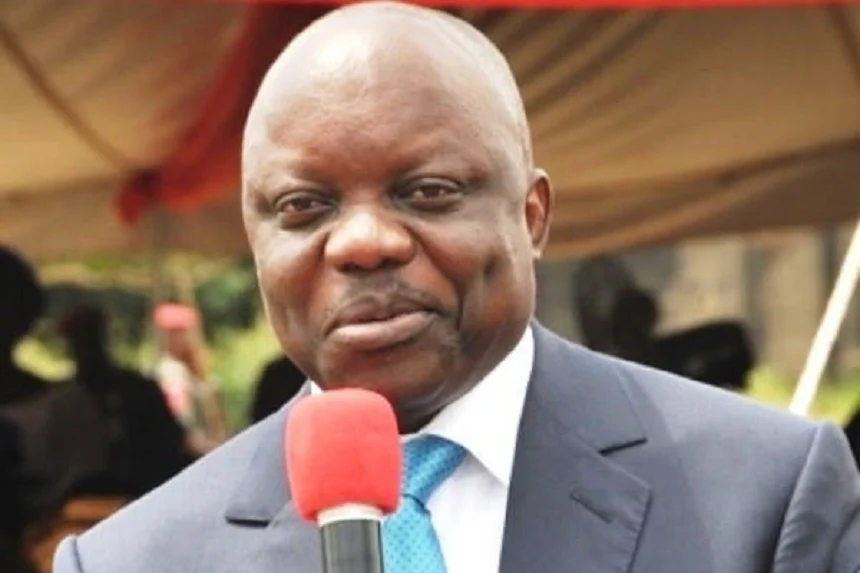
Former Delta State Governor, Dr Emmanuel Eweta Uduaghan, has died at the age of 71, drawing tributes from President Bola Ahmed Tinubu, political leaders, lawmakers and residents of Delta State.
Uduaghan died on the morning of Monday, October 19, 2026, according to an announcement issued by his family. He reportedly passed away at a hospital in Abuja after a period of illness. The family did not disclose a specific cause of death.
His passing came just three days before his 72nd birthday, which would have been celebrated on October 22. His death marks the end of a public-service career that included medical practice, state administration and eight years as governor of one of Nigeria’s major oil-producing states.
Family Announces Uduaghan’s Death
The announcement was made in a statement signed by Toju Uduaghan on behalf of the family. The family expressed profound grief over the loss, describing the late former governor as a beloved father, brother, uncle and respected family patriarch.
The statement said his death was an immeasurable loss to his family, the people of Delta State and Nigeria at large. It also reflected on his years of service and the relationships he built throughout his personal and public life.
The family expressed gratitude to God for his life and prayed for comfort for relatives, friends, associates and others mourning his passing.
As of the latest reports reviewed for this story, the family had not publicly announced detailed funeral arrangements.
Tinubu, Oborevwori and Senate Pay Tribute
President Bola Ahmed Tinubu expressed condolences to the Uduaghan family, the Delta State Government and the people of the state. In a condolence message issued on October 19, the President described Uduaghan as a public servant whose leadership was devoted to Delta State’s development and service to Nigeria.
Tinubu recalled his years in government, including his service as Commissioner for Health, Secretary to the State Government and later governor. He also extended his sympathies to Uduaghan’s wife, Roli, his children, relatives, friends and political associates.
Delta State Governor Sheriff Oborevwori also mourned the former governor, describing him as a leader whose contributions to the state’s development would not be forgotten. He highlighted Uduaghan’s efforts in infrastructure development and his approach to working across ethnic lines for the wider interests of Delta State.
The Nigerian Senate also observed the passing with a formal tribute. During plenary on October 21, lawmakers adopted a motion honouring Uduaghan’s life and service. The Senate urged the Delta State Government to preserve records of major programmes and development initiatives implemented during his administration, noting their importance to the state’s institutional history.
The lawmakers observed a minute of silence in his honour and extended condolences to his family, the Itsekiri people, Delta State and the wider Nigerian community.
From Medical Doctor to Governor of Delta State
Born on October 22, 1954, in Abigborodo, in the Warri North Local Government Area of Delta State, Uduaghan trained as a medical doctor before entering public administration.
He studied medicine at the University of Benin and later built a career in medical practice. His professional experience included work in hospitals and medical services, including a role as a consultant anaesthesiologist. His background in healthcare later became an important part of his political identity and approach to governance.
Uduaghan entered state government in 1999 when he was appointed Delta State Commissioner for Health. He held the position until 2003, overseeing a sector central to the welfare of residents across the state.
In 2003, he became Secretary to the State Government, serving in that position until 2007. The role gave him experience in coordinating government activities and working with different parts of the state administration.
He went on to become governor in 2007 under the Peoples Democratic Party, succeeding James Ibori. Following a disputed electoral process and a subsequent rerun, Uduaghan was returned to office. He won re-election in 2011 and completed his second term in May 2015.
His eight years as governor placed him at the centre of Delta State’s political and developmental affairs during a period marked by demands for better infrastructure, stronger public services and greater economic opportunities.
Healthcare, Education and Infrastructure
Healthcare was among the prominent areas associated with Uduaghan’s administration. His government pursued maternal and under-five healthcare initiatives intended to improve access to treatment for pregnant women, nursing mothers and young children.
The Senate’s tribute also highlighted investments in the Delta State University Teaching Hospital in Oghara, including medical infrastructure and specialised services aimed at strengthening healthcare delivery within the state.
In education, his administration undertook school rehabilitation and remodelling projects, classroom construction and renovation, and support programmes intended to expand educational opportunities. Lawmakers also recalled initiatives linked to examination support, scholarships and the EDUMARSHAL programme.
Infrastructure development was another major feature of his time in office. His administration pursued road construction and rehabilitation, improvements in transportation facilities and the development of Asaba International Airport.
As with the programmes of any administration, the long-term impact of these initiatives remains a subject for historical and public-policy assessment. Nevertheless, healthcare, education and infrastructure featured prominently in official tributes following his death.
The ‘Delta Beyond Oil’ Vision
Uduaghan’s administration also promoted the “Delta Beyond Oil” agenda, a strategy intended to reduce the state’s dependence on crude oil revenue by encouraging activity in other sectors.
The vision emphasised agriculture, tourism, small and medium-sized enterprises, investment and other productive industries. Its underlying challenge remains relevant to Delta State: how to translate natural-resource wealth into diversified economic activity, employment and sustainable development.
His administration also operated during a difficult period in the Niger Delta, when militancy, insecurity and disruptions to economic activity posed significant challenges. Uduaghan pursued engagement with community leaders, traditional institutions, youth groups and other stakeholders as part of broader efforts to promote dialogue and stability.
The Senate also recalled his administration’s emphasis on sports and youth development. Delta athletes achieved notable results at the National Sports Festival during his time in office, including overall victories in 2009 and 2012.
These initiatives formed part of the wider public record lawmakers cited while reflecting on his eight-year administration.
Life After Government
After leaving office in 2015, Uduaghan remained involved in Nigerian politics. He contested for the Delta South Senatorial District seat in 2019 but was unsuccessful. He moved between major political parties during the years that followed and continued to attract attention in Delta State and national political circles.
His political career connected him to several generations of public officials, traditional leaders and community stakeholders. His death has therefore prompted tributes not only from political allies but also from figures reflecting on his role in state governance and the wider Niger Delta.
Uduaghan was also remembered as a family man whose public responsibilities existed alongside his role as a husband, father, brother and elder.
A Significant Loss for Delta State and Nigeria
The death of Emmanuel Uduaghan closes a chapter in Delta State’s political history. From his early work as a medical practitioner to his years as Commissioner for Health, Secretary to the State Government and two-term governor, his career spanned healthcare, administration, electoral politics and public development.
His record will continue to be assessed through the programmes his administration introduced, the projects it delivered, the challenges it faced and the lasting effects of its decisions. The Senate’s call to preserve government records also underlines the importance of documenting public programmes so that future generations can evaluate their results.
For now, the immediate focus is on mourning a former governor whose life was closely connected to Delta State’s public affairs for decades.
As condolences continue to reach his family and the people of Delta State, Uduaghan is being remembered for his years in public service and the mark he left on the state’s political and developmental journey.
May his soul rest in peace.
About the Author