
A wave of catastrophic flooding has swept across parts of Asia, claiming more than 1,100 lives and leaving millions displaced or in urgent need of assistance. As the scale of the devastation grows clearer, Sri Lanka and Indonesia have mobilised military forces to bolster rescue efforts and deliver aid to communities cut off by collapsed infrastructure and rising waters.
The flooding—driven by a deadly combination of tropical cyclones, relentless monsoon rains, and saturated river systems—has severely impacted four countries: Sri Lanka, Indonesia, Thailand, and Malaysia. Entire villages have been submerged, farmlands destroyed, and critical services disrupted, pushing governments and aid agencies into emergency response mode.
Indonesia has recorded the highest number of casualties so far, with at least 604 deaths confirmed and 464 people still missing, according to the national disaster agency. The disaster has left scenes of widespread destruction across Sumatra, where bridges, roads, and communication networks have been either washed away or severely damaged. Residents in the worst-hit areas were forced to climb onto rooftops or cling to trees while awaiting rescue teams.
During his visit to North Sumatra, Indonesian President Prabowo Subianto expressed cautious optimism, noting that “the worst has passed, hopefully,” even as emergency teams continue to search for survivors. The government has deployed three warships, two hospital ships, and a fleet of aircraft to deliver supplies and evacuate stranded residents. This disaster marks Indonesia’s deadliest natural event since the 2018 Sulawesi earthquake and tsunami, which killed more than 2,000 people.
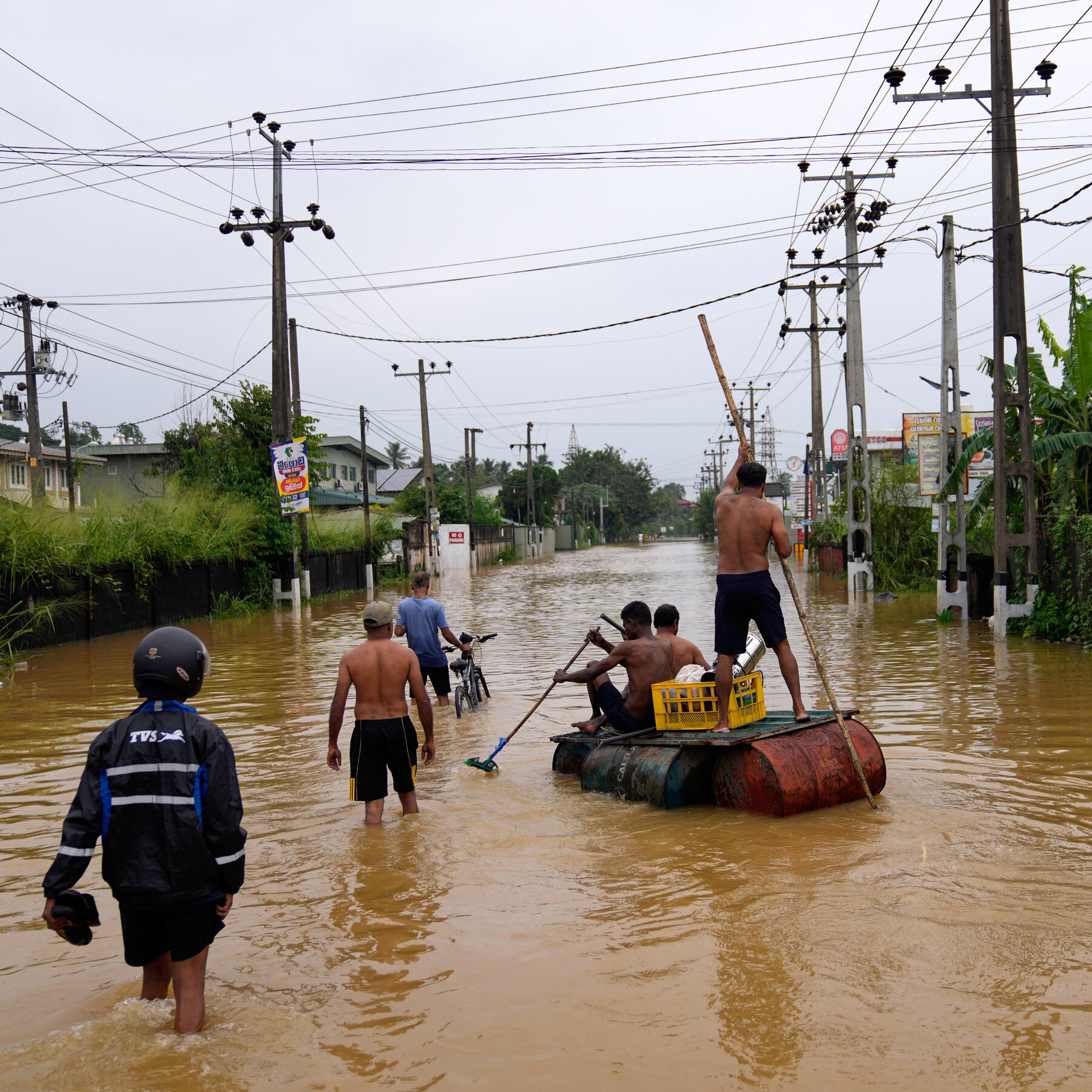
In Sri Lanka, the devastation has been similarly severe. The country has declared a state of emergency after Cyclone Ditwah unleashed torrential rains that triggered flooding and landslides across large parts of the island. More than 148,000 people have been forced into temporary shelters, and authorities warn that the number may rise as assessments continue.
Colombo, the capital, saw water levels peak overnight, prompting hopes of gradual relief as rainfall eased. However, officials caution that the destruction is vast and recovery will be slow. Many streets remain underwater, hampering movement and slowing the delivery of emergency supplies. In Ma Oya, north of the capital, residents like Hasitha Wijewardena face the daunting task of salvaging what remains. “The water has gone down, but the house is now full of mud,” he told local reporters, calling for additional military support.
President Anura Kumara Dissanayake addressed the nation, describing the crisis as “the largest and most challenging natural disaster in our history,” adding that Sri Lanka would rebuild stronger. The scale of loss has drawn comparisons to the 2004 Asian tsunami, which killed about 31,000 Sri Lankans and displaced over a million more.
Rescue operations continued into the night, with military helicopters airlifting trapped residents from flooded homes. However, the mission has not been without setbacks—one helicopter crashed north of Colombo on Sunday evening, highlighting the dangerous conditions under which responders are working.
In Thailand, Deputy Prime Minister Thamanat Prompow visited Hat Yai, one of the hardest-hit regions, where large portions of the city still remain waterlogged. Emergency teams have been instructed to restore water and electricity services immediately, and solar lamps are being distributed to households without power. Local media reports that about 80% of evacuees have returned home to assess the damage, though cleanup efforts are expected to take weeks. The Thai government has announced 9,000 baht (£215) in compensation for affected families, with interest-free loans of up to 100,000 baht available to assist with rebuilding.
Malaysia, though less severely affected, has reported three flood-related deaths and continues to monitor high-risk zones for potential landslides and river overflows.
Across the region, humanitarian organisations warn that the true extent of the destruction is still emerging. Many villages remain inaccessible, and with communication networks down in several areas, thousands remain unaccounted for. Aid groups are urging regional governments to coordinate relief efforts and prepare for potential outbreaks of waterborne diseases.
As Asia confronts one of its most devastating rain-driven disasters in recent years, leaders across affected countries emphasise the need for accelerated relief operations, sustained humanitarian support, and long-term climate resilience strategies.
About the Author