
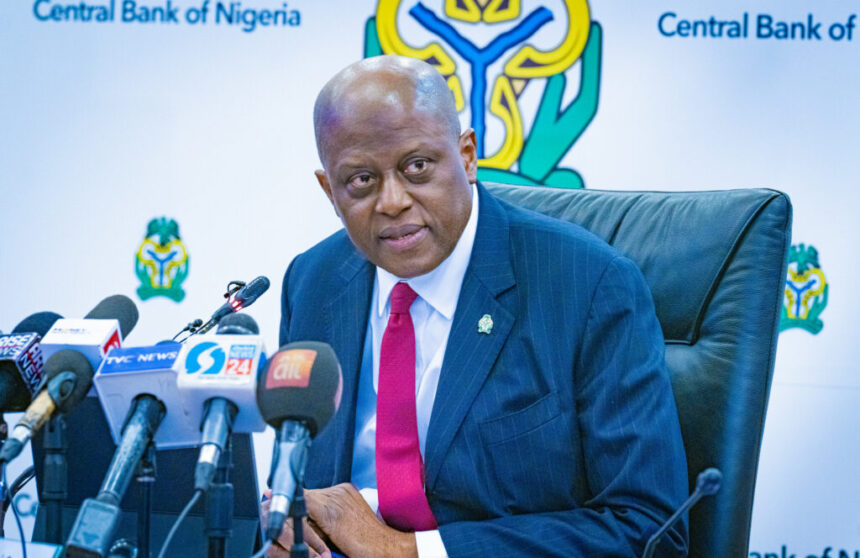
The Central Bank of Nigeria (CBN) has announced sweeping changes to the nation’s cash-handling regulations, removing all cash deposit limits and increasing weekly withdrawal thresholds for individuals and corporate entities. The revised framework takes effect on January 1, 2026, according to a circular titled “Revised Cash-Related Policies” issued to all financial institutions and signed by Dr. Rita Sike, Director of the Financial Policy and Regulation Department.
Key Policy Changes
The updated directives are part of broader CBN efforts to:
-
Reduce the rising cost of cash management
-
Mitigate security challenges linked to cash movement
-
Curb money laundering and other financial crimes tied to cash-heavy transactions
Under the new policy:
-
Individuals can now withdraw up to N500,000 weekly, a significant increase from the previous N100,000 limit.
-
Corporate organisations may withdraw up to N5 million weekly, up from N500,000.
-
The longstanding special monthly authorization—allowing individuals to withdraw N5 million and corporates N10 million once per month—has been abolished.
Withdrawal amounts exceeding the approved limits will attract charges of 3% for individuals and 5% for corporates, shared between the CBN and the respective financial institutions in a 40:60 ratio.
ATM and POS Regulations
The CBN emphasized that ATM limits remain unchanged:
-
Daily ATM withdrawal cap: N100,000
-
Weekly total via ATMs: N500,000 (this forms part of the overall withdrawal limit across all channels)
Banks must also ensure that ATMs are loaded with all currency denominations.
Over-the-counter (OTC) withdrawals using third-party cheques remain capped at N100,000, and will count toward customers’ weekly limits.
Deposit Rules and Reporting Requirements
In one of the most notable changes, the CBN fully removed cumulative cash deposit limits, eliminating any associated excess deposit charges.
Banks and other financial institutions must now submit detailed monthly reports to:
-
Banking Supervision Department
-
Other Financial Institutions Supervision Department
-
Payments System Supervision Department
Exemptions and Removals
The CBN outlined specific exemptions:
-
Accounts belonging to federal, state, and local government revenue bodies, as well as microfinance banks and primary mortgage banks, are not subject to the new withdrawal and excess-fee structure.
However:
-
Embassies, diplomatic missions, and donor agencies will no longer enjoy the previous exemptions granted to them.
Why the Policy Matters
The CBN explained that previous policies were introduced during evolving economic conditions to promote cashless alternatives and strengthen e-payment usage. With Nigeria’s financial landscape continuing to transform, the apex bank said there was a need to streamline rules, reduce bottlenecks, and align cash policies with current realities.
The removal of deposit limits, coupled with the increased withdrawal thresholds, is expected to ease transactions for individuals and businesses — while still maintaining oversight through structured charges and reporting mechanisms.
About the Author