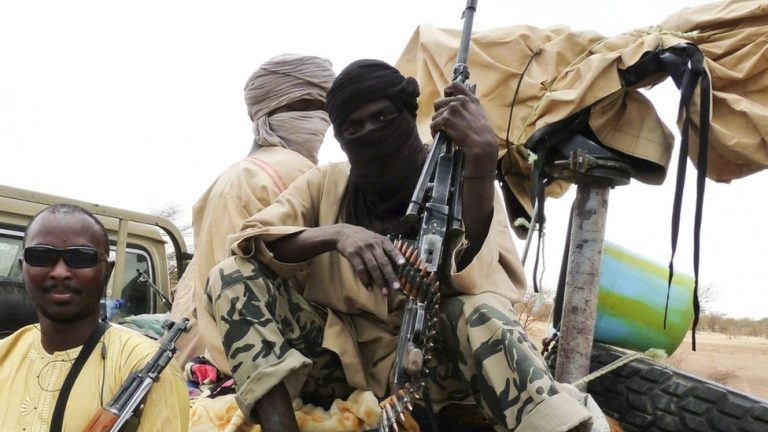

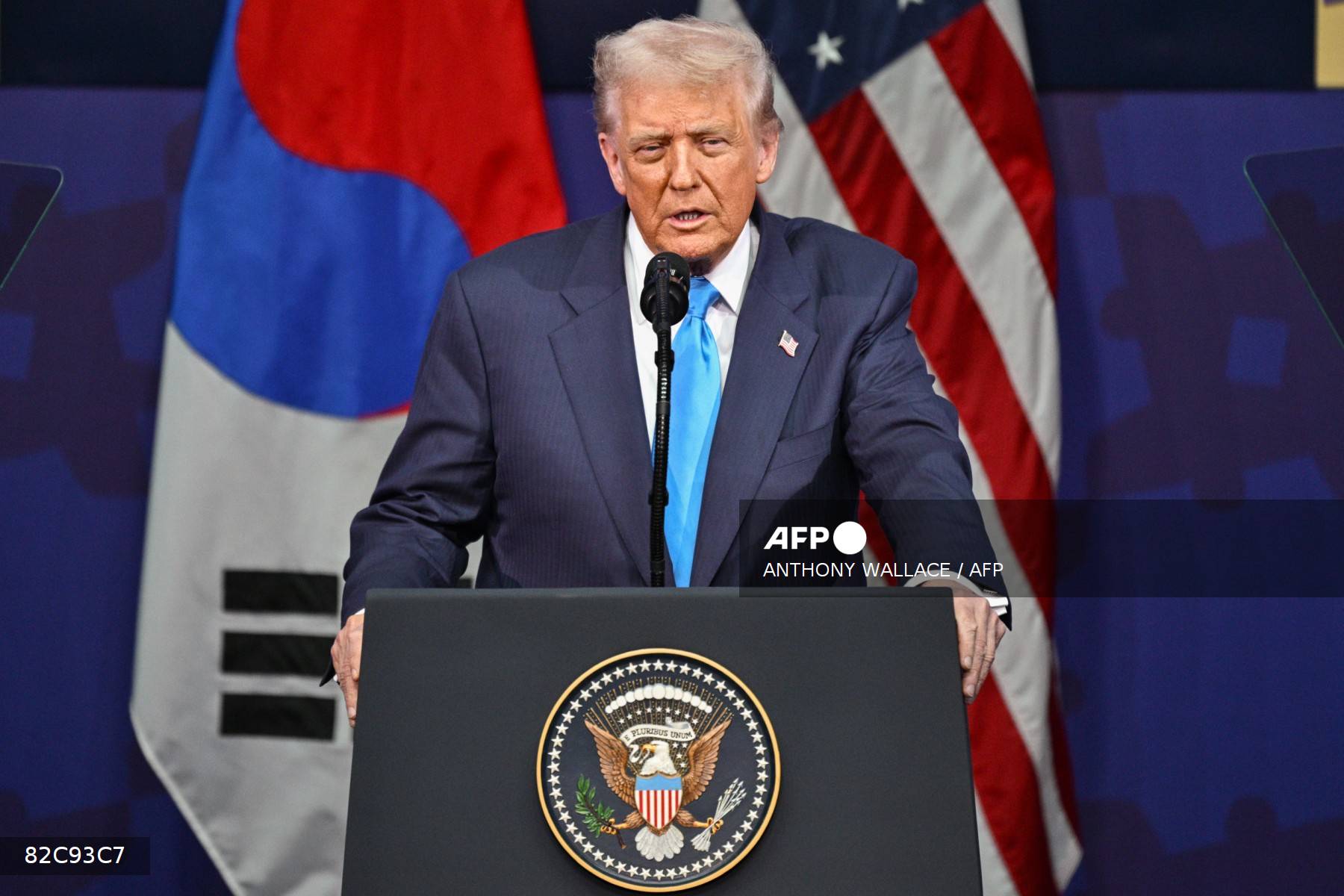
The United States has warned of further military strikes against Islamic State targets in north-western Nigeria, following airstrikes carried out on Christmas Day in coordination with Nigerian authorities.
U.S. Defence Secretary Pete Hegseth signalled the possibility of more action, saying Washington remains ready to act against militants it accuses of targeting civilians, including Christians. The warning came as Nigeria’s government described the operation as part of a broader, long-standing joint counterterrorism campaign.
US Signals More Military Action
In a post on X, Hegseth said President Donald Trump had been clear that violence against innocent civilians in Nigeria must end, adding that Islamic State militants “found out tonight – on Christmas. More to come.”
Trump later confirmed that the strike, initially scheduled for Wednesday, was deliberately delayed until Christmas Day. Speaking to Politico, he said the decision was intended to catch militants off guard, claiming their camps were “decimated.”
Nigeria Confirms Joint Operations
Nigeria’s Foreign Minister, Yusuf Maitama Tuggar, said the strikes were carried out as part of “joint ongoing operations” between Nigeria and the United States. He explained that Nigeria provided intelligence for the airstrikes in Sokoto State and that the operation followed direct consultations with U.S. officials and President Bola Tinubu.
“We have been working closely with the Americans,” Tuggar said, describing the mission as a collaborative effort to combat terrorism and protect innocent lives.
The U.S. Africa Command also confirmed that the strikes were conducted in coordination with Nigerian authorities, although neither government has disclosed casualty figures.
Religion and Security Narrative
Trump framed the strikes as a response to what he described as the killing of Christians in Nigeria, a claim that has resonated strongly with conservative and evangelical groups in the U.S. Nigeria, however, has repeatedly stressed that extremist violence affects both Christians and Muslims.
Nigeria is officially a secular country, with a population split almost evenly between Muslims and Christians. Government officials insist the operation targets terrorism, not religion.
“This is not targeting any religion,” Tuggar said. “It is about protecting Nigerians and innocent lives.”
Impact on Local Communities
Residents in Jabo village, near where one of the strikes landed, reported panic and confusion but said there were no casualties. Some described seeing the sky glow red for hours as missiles struck nearby areas.
The strikes revived painful memories of a Nigerian air force bombing in the region last Christmas that mistakenly killed civilians, compensation for which was only recently paid.
Rising Insecurity in Nigeria
North-western Nigeria has become a hub for armed banditry and Islamic State-linked groups, operating from forested areas near the Niger border. Analysts say some militant factions emerged from local vigilante groups formed amid the absence of strong state security.
Across the country, insecurity remains severe. Conflict monitors report nearly 6,000 violent incidents in Nigeria in 2025 alone, with civilians accounting for about half of the victims. While Sokoto State is affected, neighbouring Katsina recorded the highest number of incidents.
Meanwhile, a day before the Sokoto strikes, a suicide bombing at a mosque in Borno State killed at least five people, underscoring that extremist violence continues to affect all communities.
What Lies Ahead
Neither Washington nor Abuja has ruled out further strikes. Tuggar described the latest operation as “a new phase of an old conflict,” signalling that security cooperation between Nigeria and the United States is likely to continue.
About the Author