
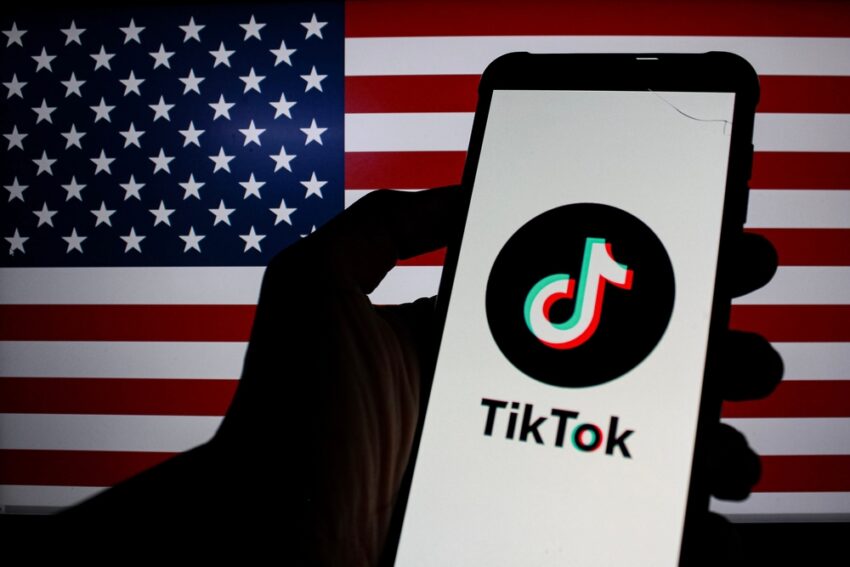
TikTok has secured its future in the United States after its Chinese parent company, ByteDance, signed binding agreements with American and global investors to restructure ownership of the app’s US operations.
In a memo to staff on Thursday, TikTok chief executive Shou Zi Chew confirmed that the deal would establish a new joint venture, with US and allied investors holding majority control. The agreement is expected to close on January 22, ending years of uncertainty surrounding the app’s fate in the US.
New Ownership Structure
Under the agreement, 50% of TikTok’s US business will be owned by a consortium of investors led by Oracle, Silver Lake, and Abu Dhabi-based investment firm MGX. ByteDance will retain a 19.9% stake, while affiliates of existing ByteDance investors will hold 30.1%.
Each of Oracle, Silver Lake, and MGX will control 15% of the new entity.
TikTok said the deal ensures that more than 170 million Americans can continue using the platform, describing it as “a vital global community for creativity and discovery.”
Ending Years of Political Pressure
The deal effectively neutralises a US law passed in April 2024, during President Joe Biden’s administration, which mandated a ban on TikTok unless it was sold due to national security concerns.
Although the law was set to take effect on January 20, 2025, enforcement was delayed multiple times by President Donald Trump, who opted to pursue a negotiated settlement instead.
Trump previously revealed that Chinese President Xi Jinping had approved the framework of the deal, though uncertainty lingered following high-level US-China meetings later in the year amid broader trade tensions.
Oracle and the Algorithm Question
As part of the arrangement, Oracle will license TikTok’s powerful recommendation algorithm, a move the White House previously highlighted as key to addressing national security risks.
The algorithm is also expected to be retrained using American user data, with the aim of preventing foreign interference or manipulation.
However, critics remain unconvinced.
Criticism and Privacy Concerns
Senator Ron Wyden, a Democrat from Oregon, criticised the deal, arguing it does little to protect the privacy of American users.
“It’s unclear whether this even puts TikTok’s algorithm in safer hands,” Wyden said. He had opposed the original ban law and pushed for more time to address data security concerns without shutting down the platform.
Small Businesses Watch Closely
For millions of creators and entrepreneurs, TikTok’s survival is personal. Tiffany Cianci, a small business owner with over 300,000 followers, said she remains cautiously optimistic.
“I hope small business owners are protected,” she said, adding that TikTok’s profit-sharing model has been more favourable than competitors like Meta.
TikTok estimates that over seven million US small businesses rely on the platform to market their products and services.
A Geopolitical Balancing Act
Analysts say the agreement reflects a broader easing of tensions between Washington and Beijing.
“TikTok has become a bargaining chip in the wider US-China relationship,” said Alvin Graylin, a lecturer at MIT. He described China’s approval of the deal as “calibrated de-escalation,” allowing both governments to claim a political win at home.
With the deal now signed, TikTok appears to have dodged its biggest existential threat yet — though scrutiny over its data practices and global influence is far from over.
About the Author