
Nationwide Internet Shutdown Leaves Iran Isolated
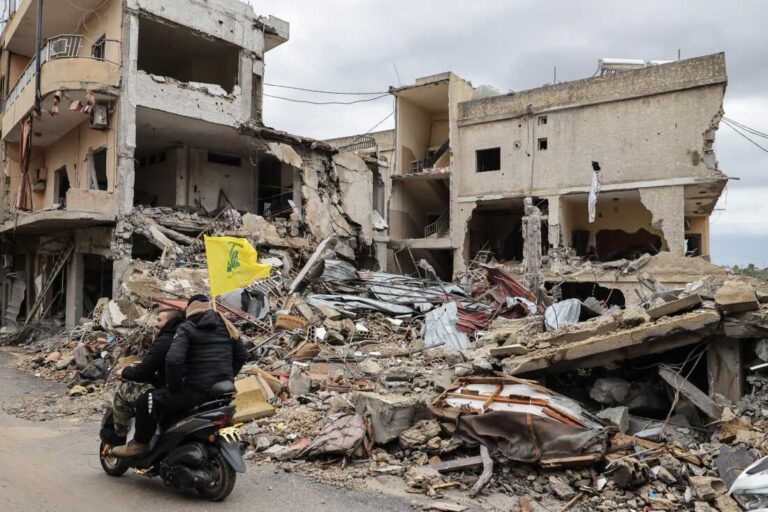
Iran has plunged into a major information blackout after authorities shut down internet access following air strikes launched by Israel and the United States.
The shutdown began on Saturday and has now lasted for more than 120 hours, according to global internet monitoring organization NetBlocks.
In a statement posted on X on Thursday, the organization said internet connectivity in Iran had dropped to around one percent of normal levels.
Citizens Struggle With Limited Access
Despite the shutdown, some residents are managing to briefly connect to the internet during short windows throughout the day.
Others are attempting to bypass the restrictions using illegal subscriptions to Starlink, the satellite internet service owned by Elon Musk.
Communication with the outside world has become extremely difficult, with international calls to Iranian mobile phones and landlines reportedly failing.
A resident in Tehran told AFP that even basic communication has become unreliable.
“The internet speed is very slow. You can’t call, and voice messages don’t get delivered. We can just text,” the resident said, requesting anonymity due to security concerns.
Authorities Warn Against Bypassing Restrictions
According to NetBlocks, Iranian telecom companies have begun sending warning messages to users who attempt to connect to the global internet through alternative methods.
The warnings reportedly threaten legal action against individuals trying to bypass government restrictions.
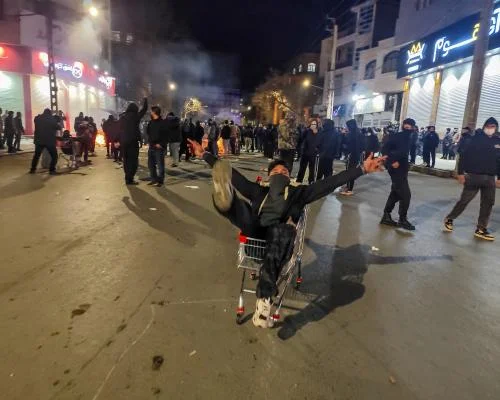
Iran has previously imposed similar internet shutdowns during periods of unrest. Authorities cut off internet access for weeks during nationwide protests earlier this year and also restricted connectivity during a 12-day conflict with Israel last June.
VPNs and Messaging Become Unreliable
Residents across the country report that internet access is unstable, making even circumvention tools difficult to use.
A resident of Bukan described the situation as chaotic.
“The internet situation here is abysmal. It connects and disconnects, and the speed is so slow that VPNs don’t work,” the resident said.
Under normal circumstances, many Iranians rely on VPNs to access Western platforms such as Instagram, which is restricted within the country.
Residents Help Families Stay Informed
Some citizens who still have intermittent internet access are helping others stay in contact with loved ones.
Shima, a 33-year-old resident of Tehran, told AFP she has been acting as a communication link for friends and families amid the conflict.
“I need to call a lot of people, even strangers, on behalf of their families,” she said while sharing updates about life in the capital, which has been targeted by missile and bombing attacks.
Travellers Fleeing Without Digital Navigation
The blackout has also affected those attempting to leave the country.
Travellers near Iran’s borders reported having to navigate their journeys without internet access or digital navigation tools such as Google Maps.
For many fleeing the escalating conflict, the loss of connectivity has added another layer of uncertainty and danger to their escape.
About the Author