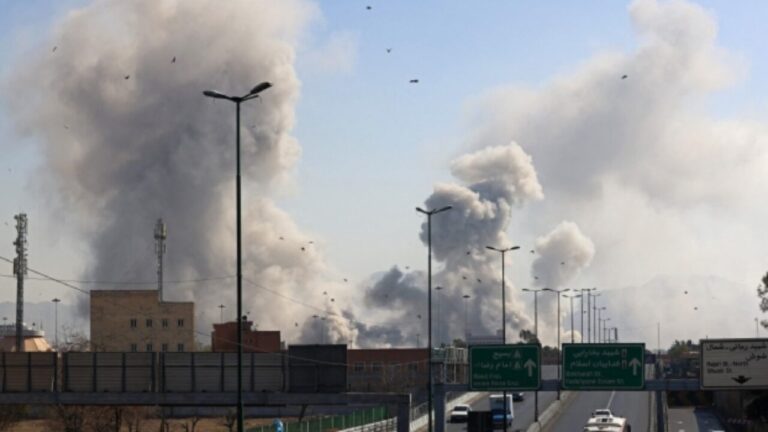

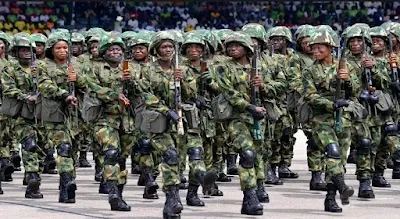
About 200 West African soldiers, largely from Nigeria and Ivory Coast, have been deployed to Benin Republic to support security operations following a failed coup attempt over the weekend, Benin’s Foreign Affairs Minister, Olushegun Adjadi Bakari, has confirmed.
Bakari said the regional troops were sent in after the attempted takeover collapsed on Sunday. The coup plot was foiled after Nigeria deployed fighter jets that forced rebel soldiers out of a military base and a state television station, where they had announced their seizure of power.
This marks the first official confirmation of the number of foreign troops involved in the operation. While some personnel may have since withdrawn, Bakari disclosed on Thursday that regional forces remain on the ground to assist with “sweep and clean-up” operations.
Security agencies are currently hunting down those linked to the plot, with the leader of the failed coup believed to have fled to neighbouring Togo.
The mutinous soldiers claimed they acted out of dissatisfaction with President Patrice Talon’s leadership, accusing his administration of failing to curb growing insecurity in northern Benin.
The Economic Community of West African States (ECOWAS) confirmed that troops from Nigeria, Ghana, Sierra Leone and Ivory Coast were deployed to protect strategic locations and prevent further violence. Nigeria, which shares a border with Benin, said its forces arrived on Sunday and described the attempted coup as a serious threat to democracy.
An Ivory Coast security source revealed that about 50 Ivorian soldiers were part of the regional force.
Speaking in Abuja alongside Nigeria’s Foreign Affairs Minister, Yusuf Maitama Tuggar, Bakari said the coup had already failed before Benin formally requested assistance. He explained that while Beninese forces had pushed back the rebels, targeted air support was required to neutralise key positions without civilian casualties.
Bakari credited swift diplomatic engagement, intelligence sharing and military coordination between Nigeria and Benin for the successful containment of the uprising. Discussions are ongoing on how long regional troops will remain, with decisions to be taken jointly with Benin’s security authorities.
It remains unclear whether French special forces, reportedly involved in assisting loyalist troops, are still present in the country.
After a wave of successful military takeovers across West Africa in recent years, ECOWAS is under intense pressure to defend democratic governance. Bakari described the bloc as crucial to preventing unconstitutional changes of government.
Benin’s military has suffered significant losses in recent years near its northern borders with Niger and Burkina Faso, where jihadist groups linked to Islamic State and al-Qaeda are active.
President Patrice Talon, considered a key Western ally, is expected to step down next year after completing his second term. Presidential elections are scheduled for April. Had the coup succeeded, it would have marked the ninth successful military takeover in West Africa in the last five years.
About the Author