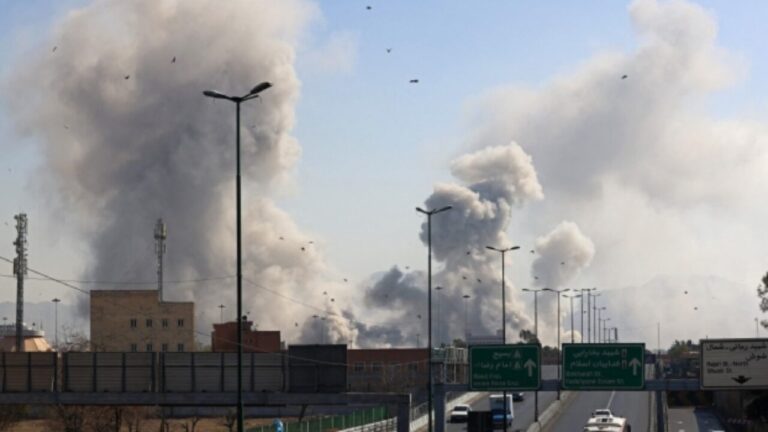

Residents of Jabo, a quiet farming village in north-western Nigeria, are still shaken after US airstrikes lit up the night sky in an intense red glow, sparking panic and confusion among locals who had never experienced such an attack.
Sanusi Madabo, a 40-year-old farmer, was preparing for bed late Thursday night when a deafening roar, which he thought was a plane crash, jolted him awake. He and his wife rushed out of their mud house to find the sky glowing bright red.
“It was almost like daytime,” Madabo said, adding that the eerie light lasted for hours.
Only later did residents learn they had witnessed a US military strike targeting an alleged Islamic State camp near their village.
US Confirms Strike, Nigeria Admits Cooperation
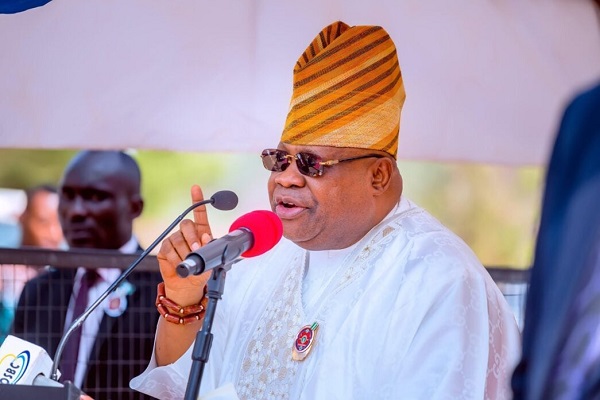
US President Donald Trump announced on Friday that American forces had carried out a “powerful and deadly” attack against Islamic State militants in Nigeria. Nigerian authorities later confirmed they had cooperated with the US on the operation.
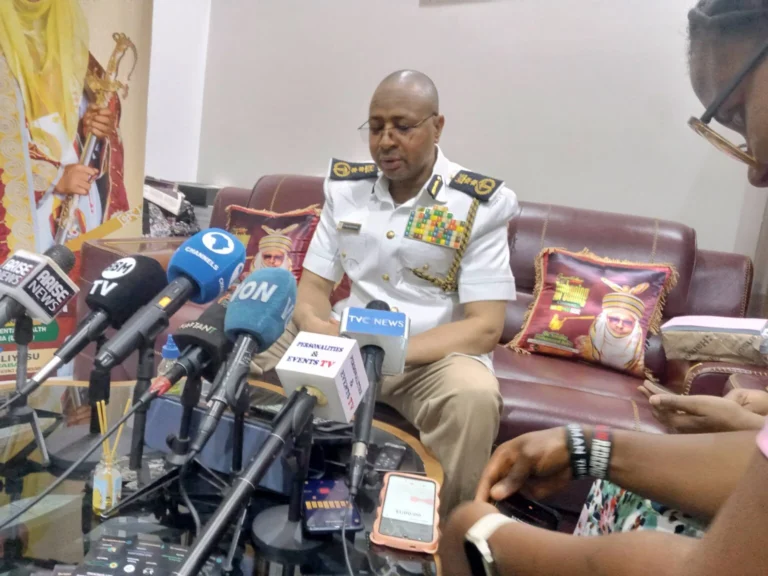
According to government spokesperson Mohammed Idris, the strikes were launched shortly after midnight from the Gulf of Guinea, involving 16 GPS-guided precision missiles and MQ-9 Reaper drones. The targets, he said, were camps used as staging grounds by foreign Islamic State fighters who had crossed into Nigeria from the Sahel region.
No casualty figures were released.
Panic in a Village Unused to War
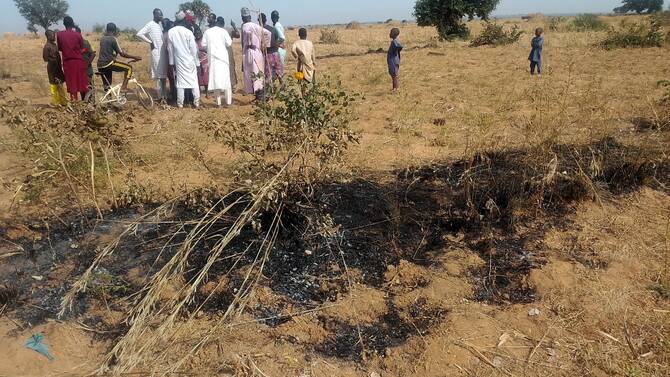
Residents told the Associated Press that the strikes landed close to Jabo’s outskirts, triggering fear and chaos. Although no villagers were injured, the psychological impact was severe.
Abubakar Sani, who lives near the edge of the village, described the moment the missiles hit.
“The heat was intense. Our rooms began to shake, and then fire broke out,” he said.
“The government should take appropriate measures to protect us. We have never experienced anything like this before.”
Villagers said Jabo itself has never been directly attacked, even though violence is common in nearby communities.
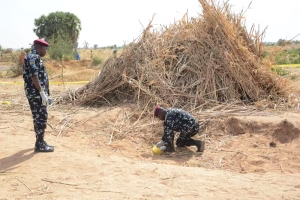
Security forces have since cordoned off the affected area.
A ‘New Phase of an Old Conflict’
Nigeria’s Foreign Minister, Yusuf Tuggar, described the airstrikes as a “new phase of an old conflict,” noting that attacks in the region have long affected both Christians and Muslims.
The operation follows months of diplomatic tension between Nigeria and the US, after the Trump administration accused Nigeria of failing to stop what it described as the killing of Christians. Nigerian officials have consistently rejected claims of religious genocide, insisting the violence is more complex and affects multiple communities.
The Ministry of Foreign Affairs said the strikes were the result of intelligence sharing and strategic coordination between both governments, and Tuggar suggested further strikes could follow.
Information Gaps Fuel Fear
Security analyst Bulama Bukarti of the Tony Blair Institute said residents’ anxiety has been worsened by a lack of transparency.
“What can help reduce tension is for the American and Nigerian governments to clearly say who was targeted, what was hit, and what the outcome was,” he said.
“The more opaque the situation remains, the more panic it creates on the ground.”
So far, neither government has provided details on casualties or post-strike assessments.
Who Was the Target?
Analysts believe the strikes may have targeted Lakurawa, a relatively new armed group in north-western Nigeria. First recorded around 2018, the group is believed to consist largely of foreign fighters from the Sahel.
However, experts caution that Lakurawa’s direct links to Islamic State remain unproven. The recognised ISIS affiliate in Nigeria, Islamic State West Africa Province (ISWAP), operates mainly in the country’s northeast, where it is locked in a power struggle with Boko Haram.
Lingering Danger on the Ground
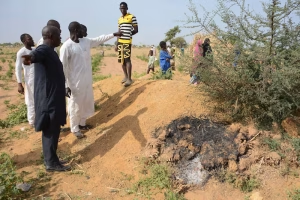
Village leader Aliyu Garba said debris from the strikes was scattered around the area, drawing curious residents who rushed to inspect the site.
Some villagers picked up fragments, hoping to salvage metal for trade, raising fears of injury from unexploded remnants.
As calm slowly returns, residents of Jabo remain uneasy, uncertain whether the red-lit night marked a one-off strike or the beginning of a new and dangerous chapter.
About the Author