

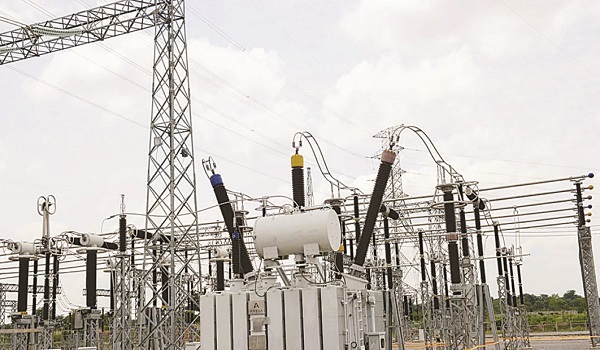
The Transmission Company of Nigeria (TCN) has announced the arrest of suspected vandals linked to the destruction of critical electricity infrastructure along the Nkalagu–Abakaliki transmission line in Ebonyi State, in what authorities described as a major breakthrough against economic sabotage targeting Nigeria’s power sector.
According to the company, the suspects were apprehended in connection with the vandalism of transmission towers along the Nkalagu–Abakaliki 132kV Single Circuit Transmission Line, an important electricity infrastructure serving parts of Ebonyi State and surrounding communities.
The arrests come amid growing national concern over the increasing rate of attacks on power installations across Nigeria, which experts say continue to worsen electricity instability, disrupt businesses, and increase operational costs within the energy sector.
How The Suspects Were Arrested
According to TCN, the suspects were arrested on May 9, 2026, after local youths and vigilante members in the Ezza Umuhuali Community of Ishielu Local Government Area reportedly acted on intelligence and intercepted the alleged vandals.
The company revealed that:
- The suspects were linked to the vandalism of Towers T15, T16, and T17
- Structural components of the towers had allegedly been removed systematically
- The stolen materials were reportedly sold to illegal scrap metal dealers
- The criminal activity had allegedly continued for several months before the arrests
TCN commended members of the host community for their vigilance and swift response, noting that collaboration between communities and security agencies remains essential in protecting national infrastructure.
Impact On Electricity Supply
Transmission towers play a critical role in moving electricity from generating stations to distribution networks across the country.
When transmission infrastructure is vandalized:
- Electricity supply can become unstable
- Entire communities may experience blackouts
- Repairs impose huge financial burdens on the government
- Businesses and industries suffer operational losses
TCN stated that the destruction of the Nkalagu–Abakaliki line threatened power stability in Ebonyi State and nearby areas.
The company described the vandalism as “economic sabotage,” emphasizing that attacks on electricity infrastructure directly affect millions of Nigerians who already struggle with inconsistent power supply.
Like termites gnawing at the beams of a fragile house, infrastructure vandalism quietly weakens the nation’s energy backbone until entire systems begin to tremble ⚡🏚️
Investigation Reveals Months Of Activity
Preliminary investigations reportedly showed that the vandalism operation may have been ongoing since January 2026 before the suspects were finally apprehended.
Authorities disclosed that:
- Tower components worth billions of naira were allegedly removed
- Investigators believe additional accomplices remain at large
- Security agencies are continuing efforts to track down other suspects
- Scrap metal dealers may also face scrutiny over the stolen materials
The suspects were subsequently handed over to the Nigeria Police Force at Ishielu Police Station in Ntezi and have reportedly been charged before the Ebonyi State High Court.
Growing Threat To Nigeria’s Power Infrastructure
The latest incident highlights the broader challenge of infrastructure vandalism facing Nigeria’s electricity sector.
According to reports, TCN recorded over 276 vandalism cases affecting transmission towers between 2022 and 2025.
These attacks have targeted:
- Transmission towers
- High-voltage cables
- Transformers
- Electrical substations
Energy experts warn that repeated vandalism significantly undermines efforts to improve national electricity supply.
Nigeria’s power sector already faces challenges including:
- Aging infrastructure
- Limited generation capacity
- Grid instability
- Funding constraints
Acts of vandalism therefore deepen existing problems and delay progress toward more reliable electricity distribution nationwide.
Community Vigilance Proves Crucial
One of the most notable aspects of the arrests was the role reportedly played by community youths and local vigilante groups.
TCN praised residents for taking proactive action after receiving a tip-off about suspicious activities near the transmission line.
Security analysts say local community involvement has become increasingly important because:
- Transmission infrastructure often passes through remote areas
- Security personnel cannot monitor every installation continuously
- Residents are usually the first to notice suspicious movement
Authorities are now urging communities across Nigeria to remain alert and report unusual activity around electricity installations immediately.
Why Infrastructure Vandalism Matters Nationally
The destruction of public infrastructure carries broader economic consequences beyond immediate power outages.
Experts say vandalism affects:
- National economic productivity
- Investor confidence
- Industrial operations
- Healthcare facilities relying on electricity
- Small businesses and households
Nigeria’s electricity sector remains central to economic growth, meaning attacks on transmission facilities can ripple across multiple industries and communities.
The issue has also sparked renewed debate about stronger penalties for infrastructure vandalism and tighter regulation of scrap metal trading networks.
Legal Proceedings And Next Steps
Authorities confirmed that the suspects are currently in custody while investigations continue.
Possible legal charges may include:
- Destruction of national infrastructure
- Economic sabotage
- Theft and conspiracy
- Illegal sale of government property
Investigators are also expected to examine whether organized criminal networks are involved in similar vandalism operations elsewhere in the country.
TCN says it will continue collaborating with security agencies and host communities to strengthen surveillance and protect critical electricity infrastructure.
About the Author