
Lagos, the pulsating heart of Nigeria’s economy, is preparing for a significant shift in its daily rhythm. The Lagos State Government has officially announced the closure of the iconic Eko Bridge, effective this coming Tuesday. This move, while expected to cause temporary friction in the city’s notoriously complex traffic network, is being hailed as a non-negotiable step toward ensuring the long-term safety of millions of commuters.
The decision comes following a series of technical assessments that highlighted the need for comprehensive safety investigations and immediate structural repairs. For a bridge that serves as a primary artery connecting the Lagos Mainland to the bustling business districts of Lagos Island, Victoria Island, and Lekki, the stakes couldn’t be higher.
Why the Closure is Necessary
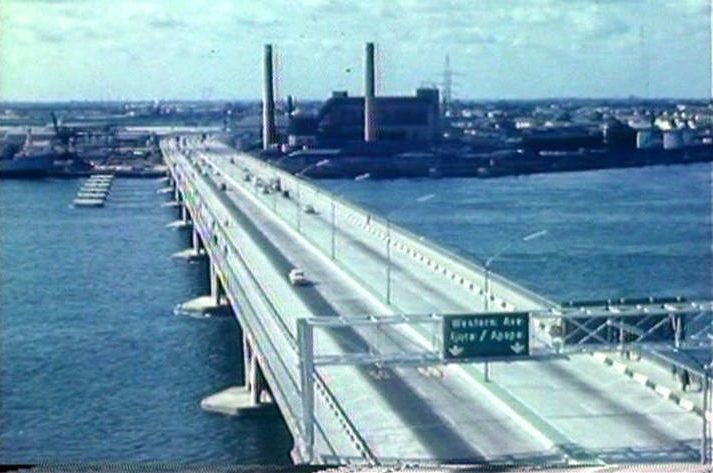
The Eko Bridge is more than just concrete and steel; it is a lifeline. Constructed in phases starting in the late 1960s, it has weathered decades of heavy use, extreme weather, and the sheer weight of a population that has grown exponentially. In recent years, the bridge has been subjected to several “thermal events”—most notably fires caused by illegal trading activities under the bridge—which have compromised the integrity of its expansion joints and bearings.
Government engineers have noted that “patchwork” repairs are no longer sufficient. To prevent a catastrophic failure, the Ministry of Transportation and the Ministry of Works and Infrastructure have determined that a full-scale investigation is required to map out the extent of internal wear and tear.
The Commuter’s Survival Guide: Alternative Routes
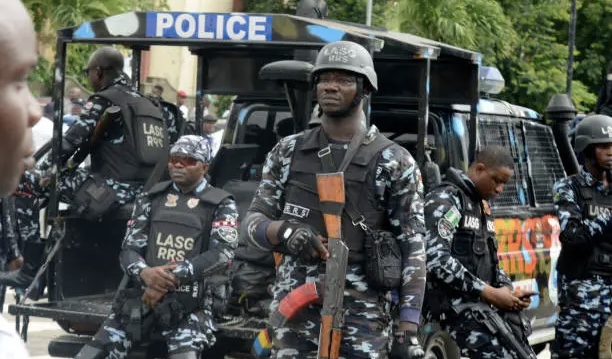
The closure of such a critical link inevitably raises the question: How do we get around? The Lagos State Traffic Management Authority (LASTMA) has been placed on high alert, with hundreds of officers expected to be deployed to key junctions to manage the fallout.
To minimize the “gridlock grief,” the government has recommended several alternative routes for motorists:
-
From Mainland (Funsho Williams Avenue): Motorists are advised to use the Iponri to Costain diversion, heading towards Carter Bridge.
-
The Third Mainland Bridge: While already heavily burdened, this remains the primary alternative for those heading to the Island from the Oworonshoki axis.
-
Ijora Olopa Path: For those coming from Surulere, navigating through Ijora Olopa to connect with Carter Bridge is a viable, albeit slower, option.
-
Water Transport: The Lagos Ferry Services (LAGFERRY) is expected to increase its frequency from terminals in Ikorodu, Badore, and Ebute-Ero to provide a stress-free bypass to the road congestion.
The Economic Ripple Effect
Lagos is a city where time is literally money. The closure of Eko Bridge is expected to impact logistics and supply chains, particularly for goods moving from the ports at Apapa and Tin Can Island. Delivery windows may widen, and transport fares could see a marginal uptick as drivers navigate longer routes and heavier traffic.
However, the state government remains firm: the economic cost of a bridge collapse far outweighs the inconvenience of a scheduled repair. By investing in the structural health of the Eko Bridge now, the administration is protecting the future of the Lagos economy.
A Vision for a Safer Lagos
This closure is part of a broader “Infrastructure Renewal” agenda spearheaded by the current administration. From the completion of the Blue and Red rail lines to the continuous maintenance of the Third Mainland Bridge, there is a clear push to modernize Lagos’s aging infrastructure.
The Ministry has appealed to the patience of “Lagosians,” urging them to plan their journeys ahead of time and embrace the spirit of resilience that the city is known for. “We understand the pain this may cause,” a government spokesperson stated, “but the safety of every Lagosian is a debt we must# Eko Bridge Closure: Safety First as Lagos Braces for Major Traffic Shift
Lagosians, it is time to recalibrate your alarm clocks and rethink your morning playlists. The heartbeat of Nigeria’s commercial nerve center is about to experience a significant rhythm change. The Lagos State Government has officially announced the closure of the Eko Bridge, effective this coming Tuesday, to facilitate essential repairs and a rigorous safety audit.
For a city that thrives on movement, the temporary loss of a major artery like the Eko Bridge is never just a “maintenance update”—it is a logistical puzzle that millions of residents, business owners, and logistics providers must now solve together.
The Technical Necessity: Why Now?
While the news of a bridge closure often triggers a collective sigh among commuters, the Ministry of Transportation and the Ministry of Works and Infrastructure have been clear: this is not optional.
The Eko Bridge, one of the three major links between the Lagos Mainland and the Island, has been under intense pressure for decades. Structural integrity is a non-negotiable priority in a megacity. Recent preliminary inspections have reportedly flagged areas requiring immediate intervention, specifically regarding expansion joints and structural bearings that have been weathered by heavy tonnage and the relentless Lagos humidity.
The government’s decision to conduct “comprehensive safety investigations” suggests a proactive approach to urban management. Rather than waiting for a critical failure that could lead to catastrophe, the state is opting for a controlled, phased maintenance schedule. This ensures that the bridge remains a safe asset for the next generation of Lagosians, even if it causes a few weeks of “go-slow” in the immediate future.
The Commuter’s Strategy: Navigating the Mainland-Island Divide
Starting Tuesday, the “Costain-Apongbon” axis will look significantly different. The closure is expected to redirect a massive volume of vehicular traffic toward the Third Mainland Bridge and Carter Bridge, both of which are already high-traffic zones.
To mitigate the impending gridlock, the Lagos State Traffic Management Authority (LASTMA) is expected to deploy additional personnel to key intersections. However, the real work falls on the residents. If you typically use the Eko Bridge to reach the business districts of Victoria Island or Ikoyi, here is what you need to consider:
-
Earlier Departures: The “Lagos early” standard is about to get earlier. Expect at least an additional 45 to 60 minutes of travel time during peak hours.
-
Alternative Routes: Utilize the Funsho Williams Avenue corridor to link Carter Bridge via Iddo, or brave the Third Mainland Bridge via Herbert Macaulay Way.
-
Water Transportation: This might be the perfect week to explore the Lagos Ferry Services (LAGFERRY). Bypassing the road networks entirely by taking a boat from Ikorodu or Ebute-Metta to Five Cowries Terminal is becoming an increasingly savvy move for the modern professional.
The Economic Ripple Effect
In a city where “time is money,” the closure of a major bridge has a direct impact on the bottom line. For the logistics and trade sectors—especially those moving goods from the ports or distributing materials across the state—the closure adds a layer of complexity to supply chain management.
Increased fuel consumption due to idling in traffic and the potential for delivery delays are inevitable. Small and medium-sized enterprises (SMEs) that rely on daily movement between the mainland and island will need to optimize their routes. If you are in the business of professional services, painting, or flooring installation, ensuring your teams leave well before the dawn rush will be the difference between a satisfied client and a missed deadline.
A Vision for a Resilient Lagos
Though the inconvenience is real, these repairs are part of a broader vision for a Resilient Lagos. Infrastructure maintenance is the silent backbone of economic growth. By ensuring the Eko Bridge is structurally sound and safe for heavy-duty vehicles and passenger cars alike, the government is protecting the very conduits that allow Lagos to function as Africa’s premier economic hub.
As we approach Tuesday, the message to Lagosians is one of patience and preparation. Monitor official government social media handles for real-time traffic updates, keep your Google Maps active, and remember: the short-term frustration of a closed bridge is a small price to pay for the long-term safety of our city’s most vital connectors.
About the Author