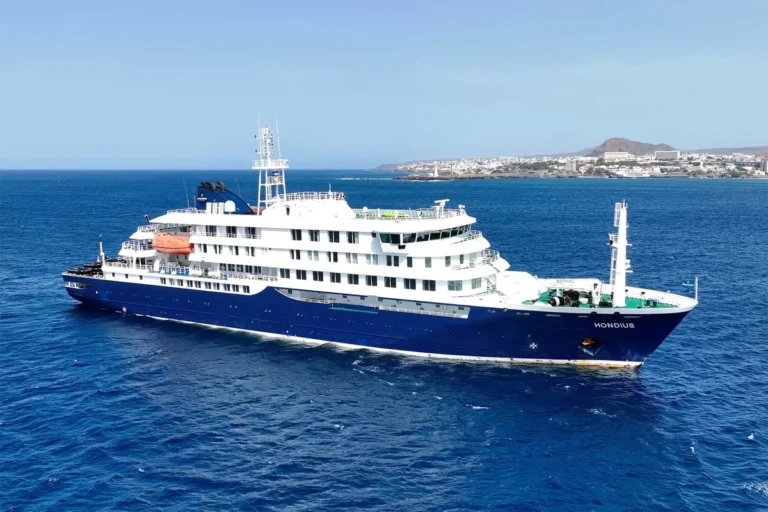

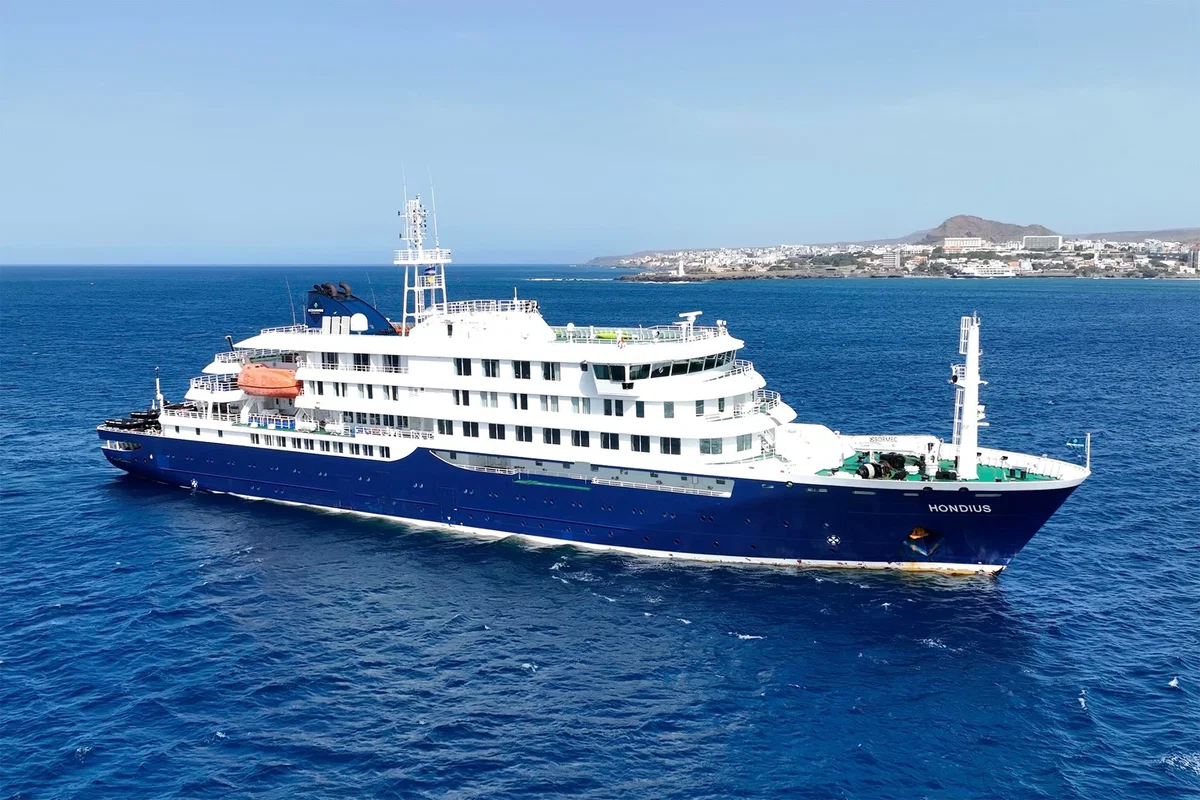
A fresh wave of concern has emerged in international travel and public health circles after the latest evacuee from a cruise ship affected by a suspected hantavirus outbreak safely arrived in Europe for medical monitoring and further evaluation.
The incident, which has drawn global attention in recent days, involves passengers and crew aboard a cruise vessel where several individuals reportedly developed symptoms linked to hantavirus exposure, prompting emergency health protocols, evacuations, and international coordination among medical authorities.
While officials continue investigations into the source and extent of the outbreak, health experts say the situation highlights the growing importance of disease surveillance in global travel systems.
What Is Happening?
Authorities confirmed that the latest passenger evacuated from the affected cruise ship landed in Europe under carefully supervised health procedures.
Medical teams reportedly met the evacuee upon arrival, conducting precautionary screening and transport arrangements to reduce potential public exposure.
Key developments include:
- Multiple passengers aboard the cruise reportedly experienced flu-like symptoms
- Health officials launched emergency response measures on board
- Some passengers were evacuated for advanced medical care
- International health agencies are monitoring the situation closely
The cruise operator has also implemented enhanced sanitation and containment protocols and is cooperating with health investigators.
Understanding Hantavirus
Hantavirus is a rare but potentially serious disease typically transmitted through contact with infected rodents or exposure to contaminated droppings, urine, or saliva.
According to global health authorities:
- Symptoms often begin with fever, fatigue, headaches, and muscle pain
- Severe cases may affect the lungs and respiratory system
- Human-to-human transmission is considered uncommon for most hantavirus strains
Health experts stress that hantavirus outbreaks are relatively rare compared to other infectious diseases, but rapid response remains essential due to the condition’s potential severity.
(who.int)
Why Cruise Ships Raise Health Concerns
Cruise ships are often described as floating cities, dense, mobile environments where infectious diseases can spread rapidly if not contained early.
Several factors increase vulnerability during onboard outbreaks:
- Shared dining and recreational spaces
- High passenger density
- International travel routes
- Frequent interaction among travelers
Over the years, cruise ships have faced outbreaks involving respiratory illnesses, gastrointestinal infections, and other communicable diseases.
The current hantavirus-related incident has therefore reignited debates about health safety standards within the global cruise industry.
International Health Response
European health authorities, alongside international disease-monitoring organizations, are coordinating efforts to assess risks associated with the incident.
Officials are reportedly:
- Tracking passenger movements and contacts
- Conducting laboratory testing
- Monitoring potentially exposed travelers
- Reviewing sanitation conditions aboard the vessel
Some countries have also issued precautionary travel advisories and health notices related to the cruise route.
Analysts say the swift response reflects lessons learned from previous global health crises, where delayed containment efforts contributed to wider outbreaks.
Passenger Experiences and Anxiety
Passengers aboard the ship reportedly described an atmosphere of growing uncertainty as medical concerns escalated.
According to accounts shared with international media:
- Some travelers experienced delays and movement restrictions
- Medical personnel conducted repeated health checks on board
- Anxiety spread among passengers as evacuation procedures unfolded
For many travelers, the voyage transformed from a luxury escape into a tense waiting game drifting across international waters.
Like a ballroom suddenly filling with storm clouds, the cruise atmosphere reportedly shifted from celebration to caution almost overnight
Impact on the Cruise Industry
The outbreak scare could create renewed challenges for the global cruise sector, which has spent years recovering from pandemic-era disruptions.
Industry experts warn that incidents involving infectious diseases may affect:
- Passenger confidence
- Future bookings
- Insurance costs
- International health regulations for cruise operators
Some cruise companies may now face pressure to strengthen onboard disease prevention systems, including enhanced sanitation procedures and faster isolation protocols.
What Health Experts Are Saying
Medical professionals continue to urge calm while emphasizing vigilance.
Experts note that:
- Hantavirus cases remain relatively uncommon globally
- Early medical attention improves outcomes significantly
- Most outbreaks are linked to environmental exposure rather than widespread human transmission
Health agencies are encouraging travelers to follow official guidance and avoid panic while investigations continue.
Authorities also stress the importance of accurate public communication to prevent misinformation from spreading faster than the virus itself.
Ongoing Investigations
Investigators are still working to determine:
- How exposure may have occurred on board
- Whether infected rodents or contaminated areas were involved
- The total number of potentially affected individuals
- Whether additional evacuations may be necessary
Laboratory analysis and environmental inspections are expected to continue over the coming days.
Officials have not yet confirmed the full scale of the incident, but they insist that precautionary measures are being taken seriously.
About the Author