
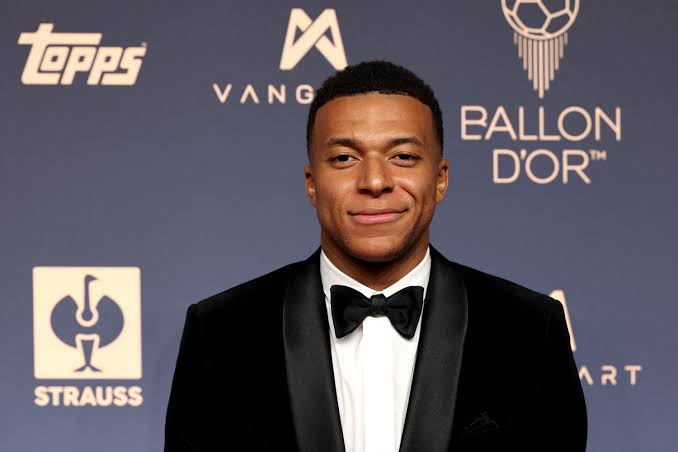
French football superstar Kylian Mbappé is facing a major backlash in China after a viral video appeared to show him making a controversial remark about a meme depicting former Chinese leader Mao Zedong. The controversy has triggered criticism on Chinese social media, the termination of several commercial partnerships and an apology from the Real Madrid forward.
The 27-year-old France captain apologised on Tuesday, October 27, 2026, saying his comment during a recent interview was “ill-judged” and acknowledging that it had hurt people in China and Chinese communities around the world.
The incident has developed into a significant commercial and public-relations challenge for one of football’s most recognisable players. Several Chinese companies have announced that they are ending their partnerships with Mbappé, while reports have also emerged of changes to football broadcasting in China.
However, an important qualification remains: Reuters and other news organisations have reported that the circulating video had not been independently authenticated. The controversy is therefore being reported on the basis of the clip that emerged online and the responses that followed.
What Did Mbappé Allegedly Say?
The controversy centres on a video that circulated online on Monday, October 26, in which Mbappé appears to discuss internet memes featuring his face superimposed on the bodies or images of famous historical figures.
The viral clip reportedly shows him describing a meme he found particularly funny, referring to an image of himself placed over that of “some guy” whom he believed was a Chinese dictator.
The remark was widely interpreted as a reference to Mao Zedong, the founding leader of the People’s Republic of China, who died in 1976.
Memes portraying Mbappé as a dictator have circulated among football fans as a form of online humour. Some use images of historical political or military leaders to exaggerate the influence the French forward is perceived to have at the clubs where he plays.
The trend has generated different reactions. Some supporters view the images as ordinary football banter, while others consider comparisons with authoritarian leaders inappropriate because of the suffering and violence associated with historical figures.
Mbappé had previously discussed the wider meme trend in an interview with French sports newspaper L’Équipe in September. He acknowledged that some versions were intended as harmless jokes but expressed discomfort with comparisons to individuals associated with mass suffering and death.
The latest controversy, however, has centred specifically on the apparent reference to Mao and the reaction it provoked among Chinese audiences.
Why the Remark Sparked Anger in China
Mao Zedong remains a deeply significant and sensitive historical figure in China. He led the Chinese Communist Party to victory in 1949 and became the founding leader of the People’s Republic of China.
Although his legacy is also associated with major political campaigns, repression, famine and widespread suffering, Mao continues to be honoured by many people in China as a central figure in the country’s modern history.
Public discussion of Mao can be politically and culturally sensitive, particularly when comments are interpreted as mocking or disrespectful.
Against that background, the apparent reference to him as a dictator in a light-hearted conversation about internet memes triggered an angry response from some Chinese football fans and social-media users.
The hashtag and discussion surrounding the controversy gained significant attention on Weibo, one of China’s largest social-media platforms. The topic concerning the termination of Mbappé’s partnership with beverage company Dongpeng became a major trending subject.
Some users demanded that brands remove the footballer’s image from promotional materials, while others described the remarks as unacceptable.
The reaction also reflects the challenges international celebrities face when jokes that may appear casual in one setting are interpreted differently in another cultural environment.
Chinese Sponsors End Commercial Partnerships
The controversy quickly moved beyond online criticism, with several companies announcing the end of their commercial relationships with Mbappé.
Beverage company Dongpeng announced that it was terminating its cooperation with the footballer with immediate effect. The company said it opposed conduct that offended national sentiments.
Dairy giant Mengniu also announced that it was ending its partnership with the Real Madrid forward. The company said it would not tolerate words or actions that hurt the feelings of the Chinese people.
Milkground, another Chinese dairy company, was also reported to have ended its cooperation with Mbappé.
These decisions represent a significant commercial consequence because international sports stars often rely on sponsorships and advertising partnerships as a major source of income beyond their football salaries.
Mbappé had featured in promotional campaigns for Chinese brands, helping companies connect their products with his global popularity and large fan following.
The removal of a celebrity from advertising campaigns can affect both sides of a commercial relationship. The athlete may lose sponsorship revenue, while the company must reconsider how it uses existing advertising materials and whether the association remains consistent with its public image.
The precise financial value of the affected agreements and the total amount Mbappé may lose have not been publicly established in the reports reviewed. It would therefore be premature to attach a specific monetary figure to the fallout.
Mbappé Issues an Apology
As the backlash intensified, Mbappé issued a public apology on Tuesday, October 27.
In his statement, the French forward acknowledged that his comment had been poorly judged and that he understood why it had upset people.
He said: “My comment was ill-judged, and I now understand that it hurt many people in China and in Chinese communities around the world. I apologise to everyone my words have upset.”
He also expressed respect for the Chinese people and their history, adding that causing offence had not been his intention.
The apology came after Chinese companies began announcing the termination of their partnerships with him and the controversy attracted international media attention.
It remains unclear whether the apology will persuade the affected companies to reconsider their decisions or how quickly the incident will fade from public discussion.
In commercial controversies of this kind, an apology may help acknowledge the concerns of affected audiences, but it does not automatically restore business relationships. Companies may consider the response of their customers, their own public commitments and the wider reputational consequences before deciding what happens next.
LaLiga Also Responds to the Controversy
The controversy has also drawn a response from LaLiga, Spain’s top professional football league.
In a statement reported on Tuesday, the league expressed regret over the offence caused to Chinese fans and said Mbappé’s comments were made in a personal capacity and did not represent LaLiga.
The response highlights the commercial importance of the Chinese market to international football.
China has a large population of football followers and represents an important audience for clubs, leagues, sponsors and sports broadcasters seeking international reach. Players with global recognition can help attract viewers and consumers to the competitions and brands associated with them.
Reports carried by Reuters, citing Chinese media, also indicated that state television had halted broadcasts of matches and events involving LaLiga and Mbappé, while advertising featuring the player was being removed.
The longer-term extent of any broadcasting changes and their financial consequences for the league and its commercial partners had not been fully established in the reports available at the time of publication.
Real Madrid had not issued a detailed public response in the reports reviewed. The club’s position and any subsequent discussions with its commercial partners could become important as the situation develops.
A Difficult Moment for a Global Football Star
Mbappé is one of the most prominent footballers of his generation. He became an international star with France, helping the national team win the 2018 FIFA World Cup and scoring a hat-trick in the 2022 World Cup final against Argentina.
After establishing himself at Monaco and Paris Saint-Germain, he joined Real Madrid in 2024, bringing enormous attention from football supporters around the world.
His global profile has made him attractive to sponsors seeking to reach audiences across Europe, Asia, Africa and the Americas. That same visibility, however, means that comments made in interviews or circulated online can quickly become international news.
For global athletes, maintaining relationships with audiences in different countries requires navigating cultural expectations, political sensitivities and the commercial interests of sponsors.
The Mbappé controversy demonstrates how an apparently informal comment about an internet meme can develop into a wider dispute involving a player’s reputation, business partnerships and the public image of a major sporting competition.
It also shows the speed at which social-media criticism can translate into commercial decisions, particularly when brands believe their reputation or relationship with local consumers may be affected.
The immediate questions concern whether the terminated sponsorship agreements will remain cancelled, whether the reported broadcasting changes will continue and whether Mbappé’s apology will reduce the criticism.
The authenticity and complete context of the viral video also remain relevant. News organisations have cautioned that the clip had not been independently verified, meaning the reported wording should not be treated as a fully authenticated transcript without further confirmation.
For now, the confirmed public developments include the statements announcing the end of commercial partnerships and Mbappé’s apology. Any additional financial losses, legal consequences or long-term effects on Real Madrid and LaLiga should be reported only when supported by reliable evidence.
The episode offers a reminder that international football is not only a sporting business. It is also a global entertainment industry in which cultural understanding, public communication and commercial relationships can have consequences far beyond the pitch.
For Mbappé, the next stage will involve the response to his apology and whether the controversy affects his relationships with Chinese fans and commercial partners over the longer term.
For sponsors and football organisations, the incident illustrates the need to respond quickly when public controversies threaten the relationships they have built with audiences in major markets.
The story is still developing, but the central lesson is already clear: in the age of viral video and global sponsorships, a remark made in an interview can travel far beyond its original setting and become an international reputational crisis.
About the Author