

Nnamdi Kanu Sentenced to Life Imprisonment as Nigerian Court Convicts Separatist Leader on Terrorism Charges
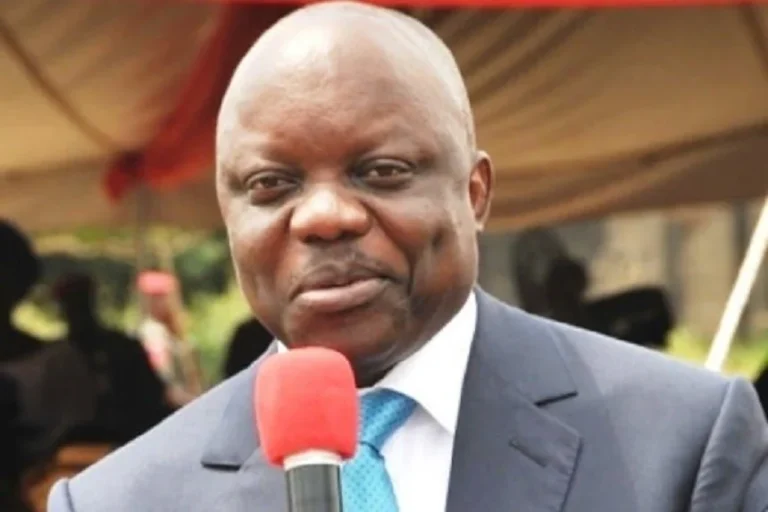
A Nigerian Federal High Court in Abuja has sentenced separatist leader Nnamdi Kanu to life imprisonment after finding him guilty on all seven terrorism-related charges at the end of a tense, decade-long legal battle that has repeatedly inflamed unrest across the country’s southeast.
Justice James Omotosho ruled that prosecutors successfully proved Kanu’s radio broadcasts and directives to his now-proscribed Indigenous People of Biafra (IPOB) were directly linked to coordinated attacks on civilians and security forces. Authorities say these acts formed part of a violent campaign to secure an independent Biafra state—an issue rooted in the 1967 civil war that claimed over one million lives.
Heavy security was deployed around the Abuja courthouse amid fears of protests and potential violence. Experts warn the verdict could further heighten separatist tensions and complicate ongoing efforts to restore peace in the region.
Although the prosecution pushed for the death penalty, Justice Omotosho rejected the request, citing international human rights concerns.
“The death sentence is increasingly frowned upon globally,” he said. “In the interest of justice, I hereby sentence the convict to life imprisonment.”
Kanu also received an additional 25-year sentence on two other charges. All sentences will run concurrently. He has 90 days to file an appeal.
Kanu Claims He Was Denied a Fair Trial
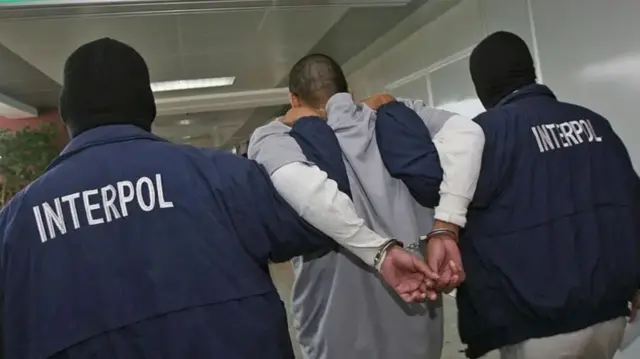
Kanu—who has been in detention since his controversial re-arrest in Kenya in 2021—reacted angrily during the proceedings and was removed from the courtroom before sentencing. He insists his extradition from Kenya was unlawful and compromised his right to a fair hearing.
The long-running case, which saw four different judges preside over various phases, was marked by repeated delays and legal disputes. Although the government presented five witnesses, Kanu refused to open his defence, arguing the terrorism law used against him had been repealed. His no-case submission was dismissed in September after he dismissed his legal team in open court.
Earlier in November, Justice Omotosho ruled that Kanu had failed to utilise the six days granted for his defence, leaving the court with “no option but to close the case.”
Kanu, a dual Nigerian-British citizen, first faced charges in 2015 and was granted bail in 2017 before fleeing the country.
About the Author