
The new Museum of West African Art (MOWAA) in Benin City — a $26 million cultural project designed to celebrate the artistic legacy of the historic Benin Kingdom — has become the center of a major controversy after protests disrupted its international preview.
A Modern Museum Built on Ancient Heritage
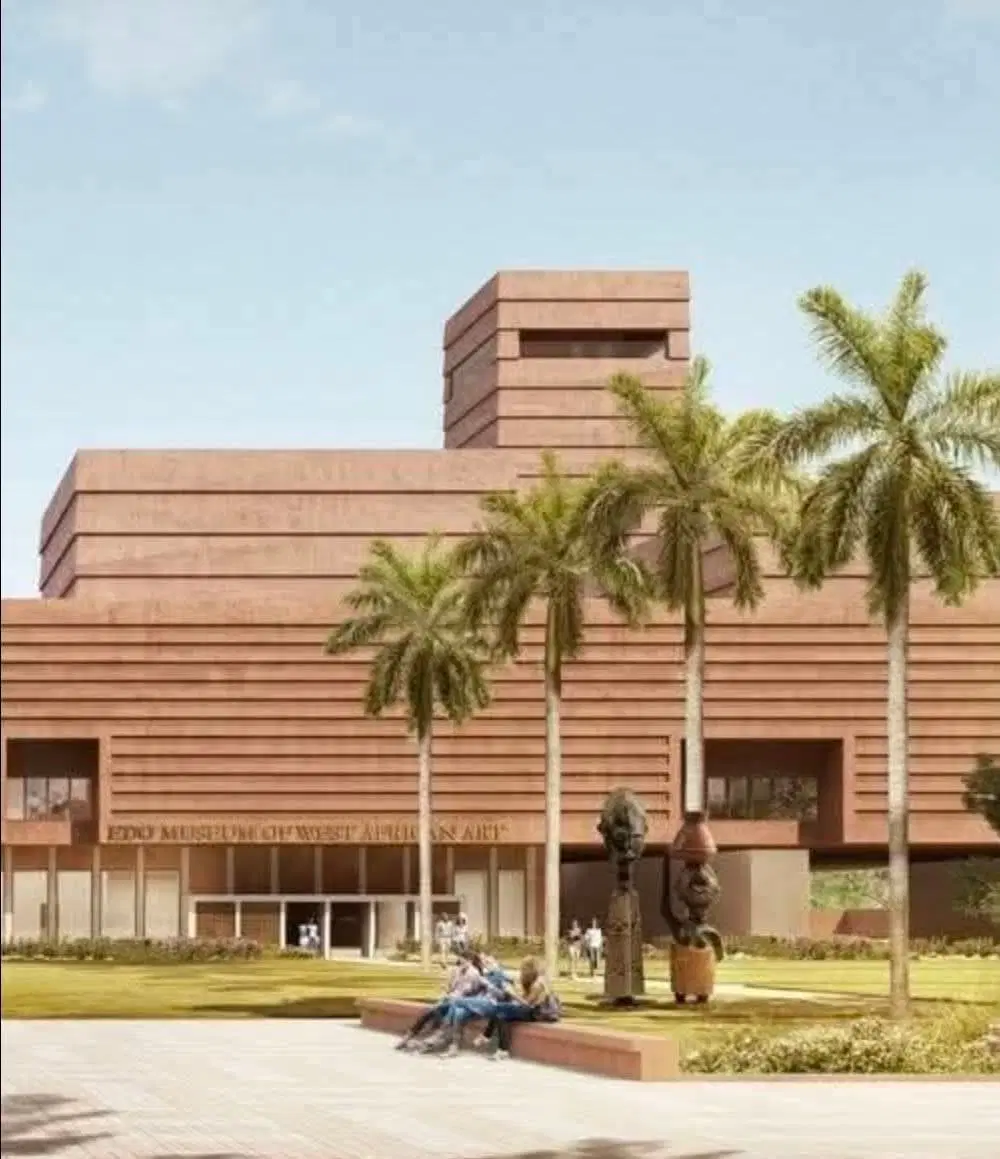
MOWAA’s striking red rammed-earth walls echo the old defensive ramparts of the Benin Kingdom, a civilisation famed for its master bronze artisans. Designed by Adjaye Associates, the campus-style museum includes:
- A welcome pavilion and public gardens
- The 48,000 sq ft MOWAA Institute
- Conservation laboratories
- Storage and research facilities
- Exhibition spaces connected to local artistry on Igun Street, a UNESCO World Heritage site
The project aims to blend modern design with Benin’s architectural identity while providing a world-class art and conservation hub.
Preview Event Disrupted by Protests
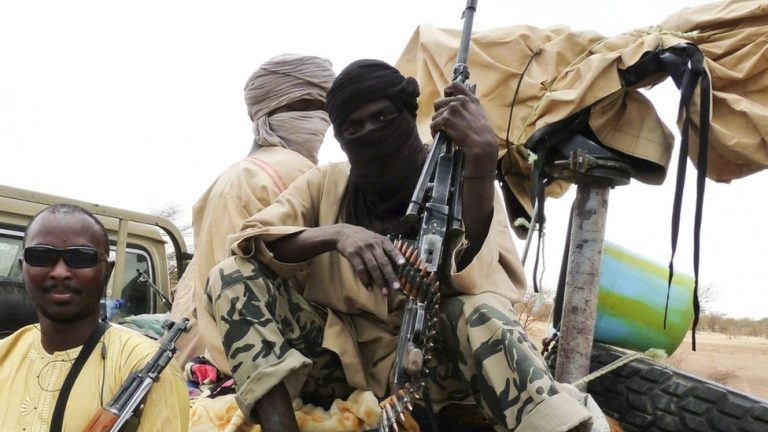
Three weeks before the planned November 11 opening, an international preview was abruptly halted when protesters loyal to the Oba of Benin stormed the museum compound.
Up to 30 protesters interrupted the presentation by Institute Director Ore Disu, accusing the museum of:
- Challenging the Oba’s authority
- Competing with the Oba’s own planned Benin Royal Museum
- Trying to position itself as the custodian of restituted Benin Bronzes
Some protesters reportedly struck auditorium windows with cudgels. Armed police intervened, and about 200 guests — including the German and EU ambassadors — were safely escorted out. The public launch was postponed.
MOWAA’s founding director, Phillip Ihenacho, described the incident as “extraordinary” and confirmed that staff were assaulted and the gift shop looted. President Bola Ahmed Tinubu has since appointed a committee to resolve the dispute.
Roots of the Conflict: Restitution and Misunderstanding
The tension reflects deeper disagreements about restitution of the Benin Bronzes, looted in 1897 by British forces.
Key points:
- MOWAA initially used the prefix “Edo Museum”, leading to misunderstandings about ownership claims.
- The museum has repeatedly stated it does not claim restituted artefacts.
- Nigeria’s federal government recognises the Oba of Benin as the custodian of all Benin Bronzes returned from abroad.
- Local perceptions were further complicated by political changes and rivalry over cultural authority.
Pro-palace protesters demanded MOWAA be renamed the Benin Royal Museum, accusing the project of undermining the Oba’s heritage claims — allegations Ihenacho denies.
A Museum with Global Support
MOWAA is structured as a charitable trust, backed by international donors including:
- Germany, France, and Denmark
- Mellon, Getty, and Ford foundations
- $2M grant from Edo State
- $8M from Nigerian corporates
Its mission extends beyond exhibitions — it aims to serve as a regional center for conservation training and research.
Powerful Opening Display (None Restituted)
The museum’s atrium exhibit repositions West Africa’s contributions to global history through:
- A 15th-century bronze archer
- A terracotta leopard
- The 1375 Catalan Atlas (on loan from France)
- Videos and interactive showcases of live bronze-casting traditions
All heritage pieces are loaned from Nigeria’s National Museums.
Layered Trauma Beneath the Surface
The museum sits on part of the historic royal enclosure destroyed during the 1897 British invasion. Archaeologists uncovered burned debris, weapons, and colonial remnants — physical reminders of the trauma still influencing local sentiment.
Restitution Debates and Nigeria’s Art Renaissance
Across Nigeria, cultural institutions are experiencing a resurgence:
- LagosPhoto Festival celebrated 15 years
- ART X Lagos marked its 10th edition
- Local galleries exhibit museum-grade work
- Artist-led foundations and residencies are filling the infrastructure gap
At the same time, repatriated artefacts are now displayed at the National Museum Benin City, including bronzes returned from Germany, the Netherlands, and the US.
Healing, Memory, and the Future
While many locals welcome the renewed global attention, others feel unresolved wounds around restitution and historical trauma.
Artist Victor Ehikhamenor reflected on the emotional complexity, saying the returns “offended” him, but also insisted that Benin’s artistic spirit is strong enough for many museums, not one.
As MOWAA works to rebuild trust, its leaders maintain that the museum’s purpose is to preserve heritage, empower local artists, and support the cultural revival of Benin City and West Africa.
About the Author