

Nigeria has taken a decisive leap toward health sovereignty and industrial advancement as Vestergaard Sàrl and Harvestfield Industries Limited officially broke ground on the country’s first mosquito net manufacturing plant. The landmark project, located in Ogun State, establishes SNG Health, a joint venture expected to redefine malaria prevention and unlock new industrial capacity.
Set to begin production in April 2026, the facility will manufacture PermaNet Dual, Vestergaard’s next-generation insecticidal net designed to tackle rising resistance to traditional pyrethroids. With an annual output projected at 10 million nets and the creation of 600 skilled jobs, Nigeria is positioning itself for both economic and public-health gains.
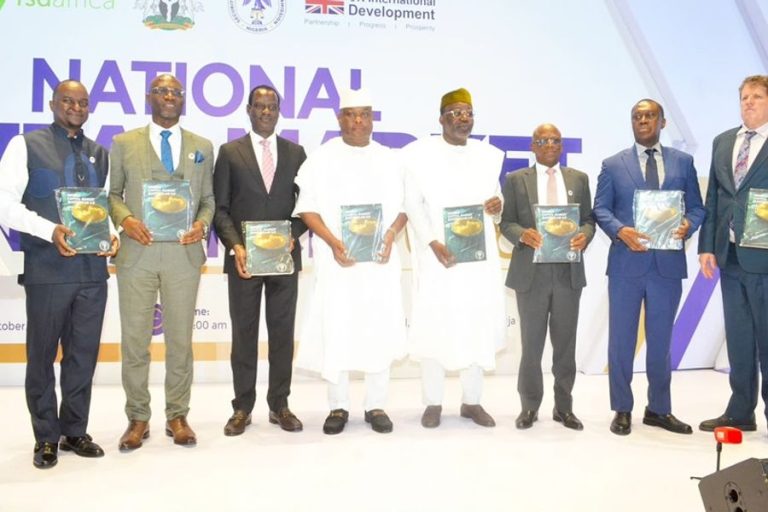
The groundbreaking ceremony drew high-level government officials, global development partners and private-sector leaders, including Dr. Abdu Mukhtar of the Presidential Value Chain Initiative, Dr. Godwin Ntadom of the Federal Ministry of Health, NMEP Coordinator Dr. Nnenna Ogbulafor, Swiss Consul General Ms. Cornelia Camenzind and World Bank representatives.
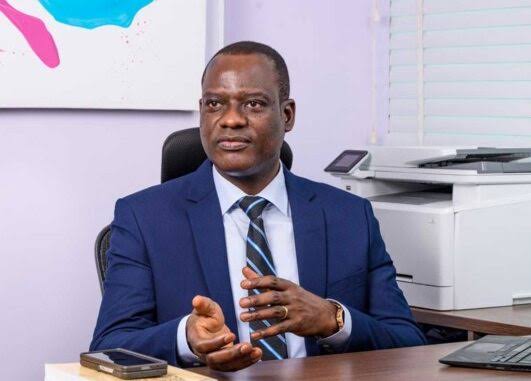
Dr. Abdu Mukhtar described the project as a pivotal achievement in Nigeria’s industrialisation and malaria-control journey. He noted that the initiative followed two years of targeted government efforts to attract local manufacturing of essential health commodities.
According to him, the government has made a commitment: mosquito nets produced locally will be prioritised in all public-funded procurement. “When you produce, we will buy,” he declared.
Nigeria has imported nearly 500 million mosquito nets over recent decades, but produced none locally. Government incentives, policy support, and free-trade zone benefits have now been pledged to ensure the success of SNG Health as a regional manufacturing hub.
Vestergaard CEO Amar Ali affirmed that the new plant embodies the company’s commitment to long-term investment in Nigeria, noting that their global experience producing over one billion mosquito nets provides SNG Health with a strong technical foundation.
Harvestfield Industries CEO Martins Awofisayo called the launch the fulfilment of a 25-year journey that started with manually treating mosquito nets in his living room. The partnership, he said, merges two former competitors now united by a shared mission: to protect Nigerians with world-class nets made on Nigerian soil.
Senior public-health leaders, including Dr. Ntadom and Dr. Ogbulafor, hailed the project as a long-awaited breakthrough after years of stalled attempts to kickstart local LLIN production. They emphasised that domestic manufacturing will close critical gaps in routine distribution and strengthen Nigeria’s malaria-prevention pipeline.
Representing Switzerland, Consul General Camenzind described the venture as a model of global cooperation and praised Vestergaard’s legacy of insecticidal-net innovation. For her, the project also carried personal significance due to her experience in malaria-endemic regions.
SNG Health Managing Director Prosper Ndayiragije revealed that raw materials and equipment have already been ordered, with the first consignment arriving next month. The facility plans to employ at least 80 permanent staff by February as it accelerates toward full-scale operations.
The joint venture will benefit from over $30 million in investment from Vestergaard and Harvestfield, supplemented by backing from the Gates Foundation, USDFC and other partners. Vestergaard CFO Nicolas Schornoz described the venture as a turning point in Nigeria’s fight against malaria and a strategic step toward national health sovereignty.
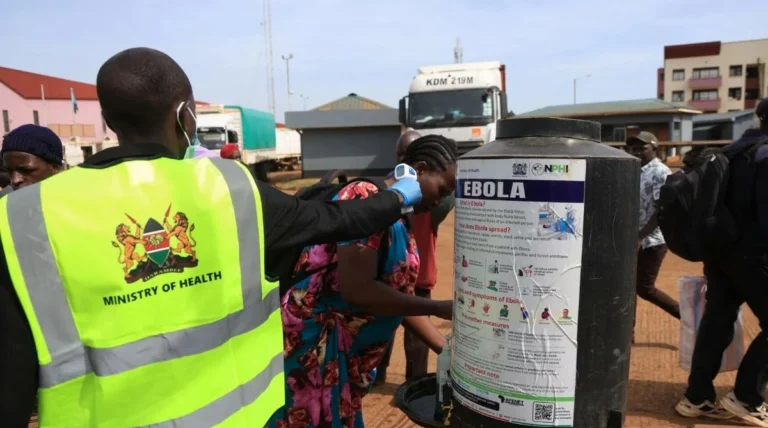
Nigeria accounts for nearly a quarter of global malaria cases and two out of every five malaria-related child deaths worldwide. Yet evidence from the Malaria Atlas Project shows that insecticide-treated nets remain the most effective intervention, responsible for 72 percent of cases prevented since 2000. Dual active-ingredient nets, like PermaNet Dual, have already prevented an estimated 40 million cases since 2019.
With local manufacturing now underway, leaders say Nigeria is no longer just responding to malaria — it is preparing to lead Africa in the next chapter of malaria elimination.
About the Author