
The International Rescue Committee (IRC) has sounded a stark warning over the state of the world’s humanitarian system, unveiling its Emergency Watchlist 2026, which identifies the 20 countries most at risk of worsening humanitarian crises next year.
Topping the list are Sudan, the occupied Palestinian territory, and South Sudan—countries the IRC says exemplify the devastating effects of what it calls a “New World Disorder.” This emerging global reality, marked by geopolitical rivalry, weakened cooperation and shrinking aid, is driving unprecedented levels of human suffering.
According to the report, a dangerous imbalance is unfolding: crises are intensifying while global support collapses. Although Watchlist countries account for just 12 percent of the world’s population, they represent 89 percent of people in humanitarian need and are projected to host more than half of the world’s extremely poor by 2029.
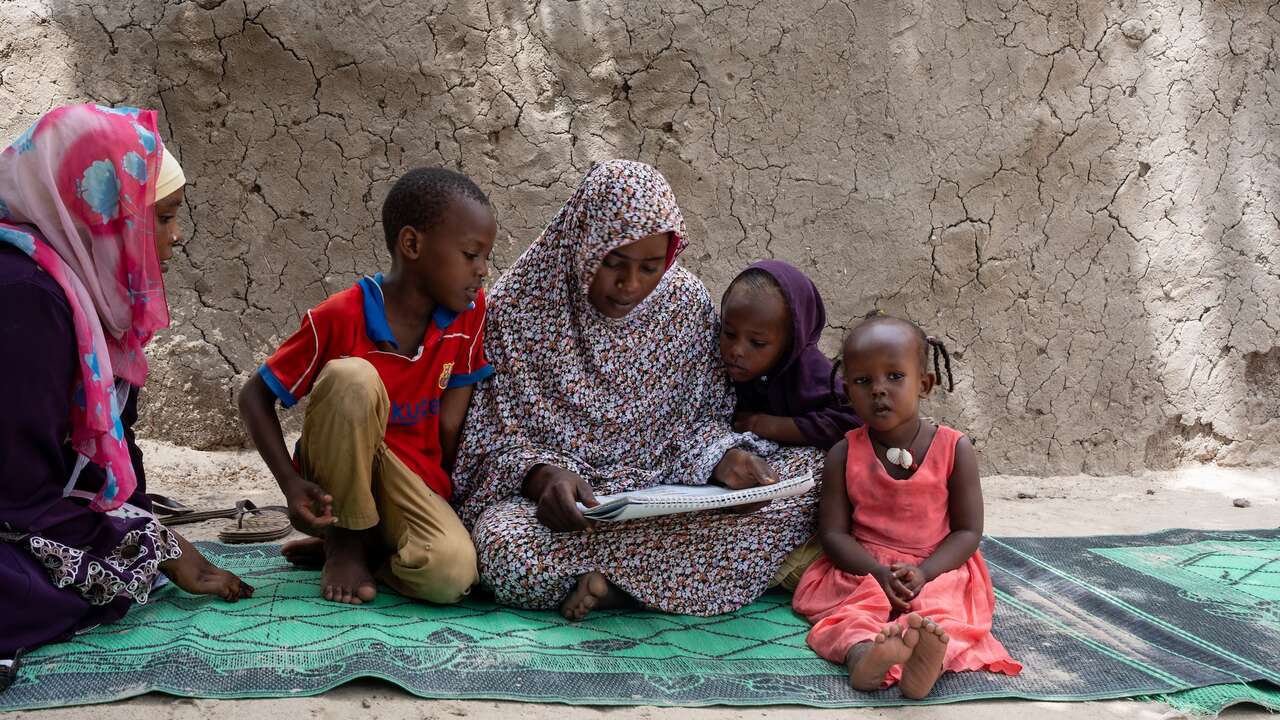
The scale of the emergency is staggering. 117 million people are forcibly displaced, while nearly 40 million face extreme hunger requiring urgent life-saving intervention. At the same time, global humanitarian funding has fallen by 50 percent, leaving aid agencies underfunded, overstretched and ill-prepared for the challenges of 2026.
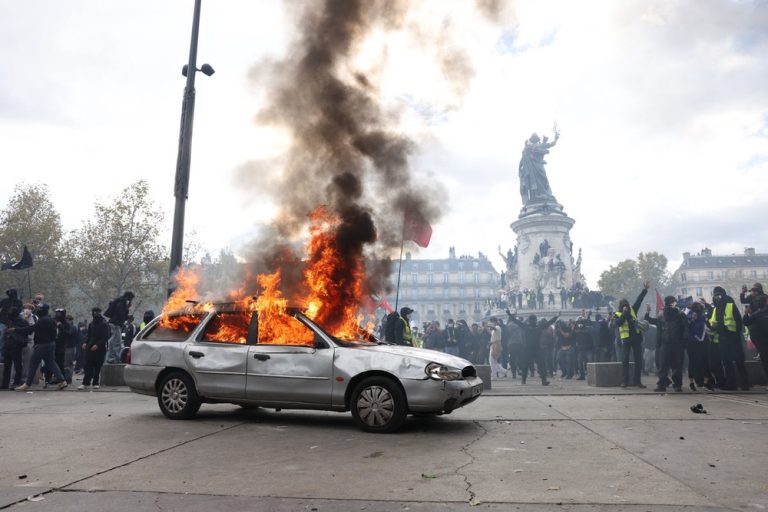
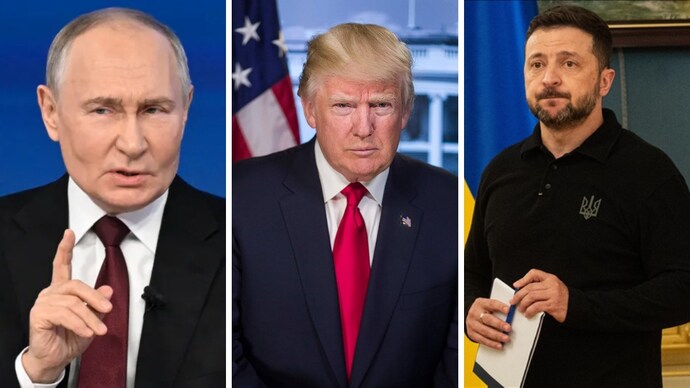
The IRC argues that the post-World War II international system, once grounded in shared rules and rights, is rapidly unraveling. In its place is a disorder defined by transactional diplomacy, shifting alliances and rising impunity. The United Nations Security Council has seen a surge in vetoes, paralysing responses to atrocities in Sudan, Syria and the occupied Palestinian territory.
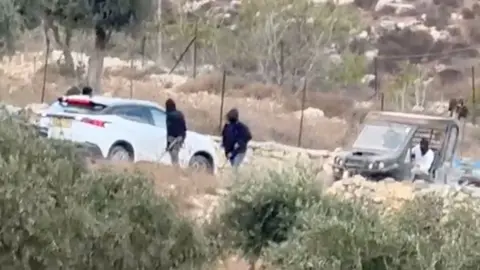
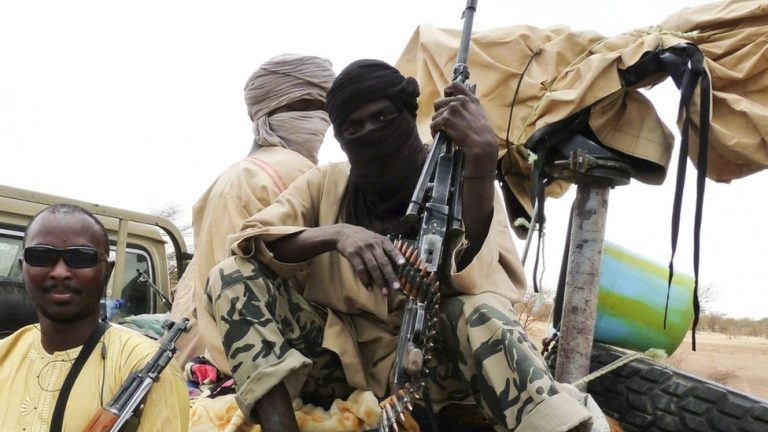
Conflict, the report warns, is increasingly being weaponised for power and profit. In Sudan, rival forces and their backers are profiting from the gold trade, deepening violence and civilian suffering. Meanwhile, attacks on aid workers, schools and hospitals are escalating, with 2025 on track to become the deadliest year ever for humanitarians. In Gaza, hospitals, shelters and essential infrastructure have been bombed or cut off from aid.
“This is not a tragic accident,” said David Miliband, President and CEO of the IRC. “The world is not simply failing to respond to crisis; actions and words are producing, prolonging and rewarding it.”
He described Sudan’s situation—ranked first on the Watchlist for the third consecutive year—as a defining symbol of this disorder. “Without urgent action, 2026 risks becoming the most dangerous year yet. Disorder begets disorder. The question is whether the world responds with vision or retreats further.”
Despite the grim outlook, the IRC insists that solutions exist and are already working. In Sudan, Ethiopia and South Sudan, the organisation is delivering life-saving immunisation services in conflict-affected areas. In Somalia and Nigeria, the IRC and its partners are using anticipatory action to respond to predictable climate shocks before they become full-blown disasters.
The Watchlist outlines a clear agenda for reversing the trend. Key recommendations include revitalising diplomacy, disrupting war economies through sanctions and financial controls, protecting civilians, upholding international law, and ensuring humanitarian access is non-negotiable. The IRC also calls for aid to be better targeted, with at least 60 percent of official development assistance directed to fragile and conflict-affected states, and 30 percent specifically to Watchlist countries.
The report urges BRICS and Gulf nations to expand their role in global aid and calls on institutions like the World Bank to fund local and civil society actors directly, who are often best positioned to operate in conflict zones.
As global disorder deepens, the IRC warns that what begins in crisis-affected countries will not remain contained. Without decisive action, humanitarian emergencies risk spilling across borders, reshaping global stability itself.
About the Author