
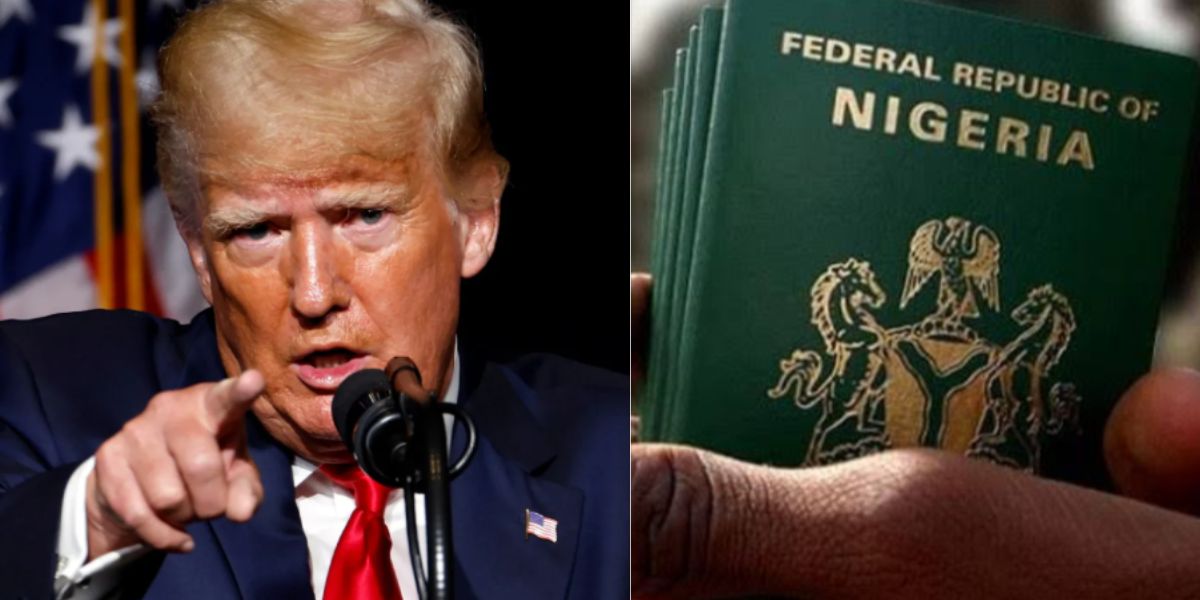
The United States has announced plans to impose visa restrictions on Nigerians — and their family members — believed to be involved in mass killings and violent attacks on Christian communities. The policy was revealed on Wednesday by the U.S. State Department.
The move comes amid a broader and deeply rooted security crisis in Nigeria, where religious tensions, extremist activity, and communal clashes have escalated in recent years. The issue gained renewed international attention after U.S. President Donald Trump publicly condemned what he described as the killing of Christians by “radical Islamists” in Nigeria. Last month, Trump said he had directed the Pentagon to begin planning for possible military action in the country.
U.S. Secretary of State Marco Rubio, in a statement posted on X, said the restrictions are part of decisive U.S. action against mass violence carried out by extremist groups such as radical Islamic terrorists, Fulani militias, and other violent actors. He noted that the policy extends to any governments or individuals implicated in violations of religious freedom under provisions in the Immigration and Nationality Act.
The latest action follows the U.S. designation of Nigeria as a “country of particular concern” under the International Religious Freedom Act. This designation places Nigeria among a list of nations — including China, Iran, Saudi Arabia, North Korea, Cuba, and Russia — cited for severe violations of religious liberty.
It remains unclear exactly how the new visa restrictions will be enforced, as U.S. law already grants the State Department authority to block travel for individuals implicated in human rights abuses. However, the statement signals elevated scrutiny and potential future measures.
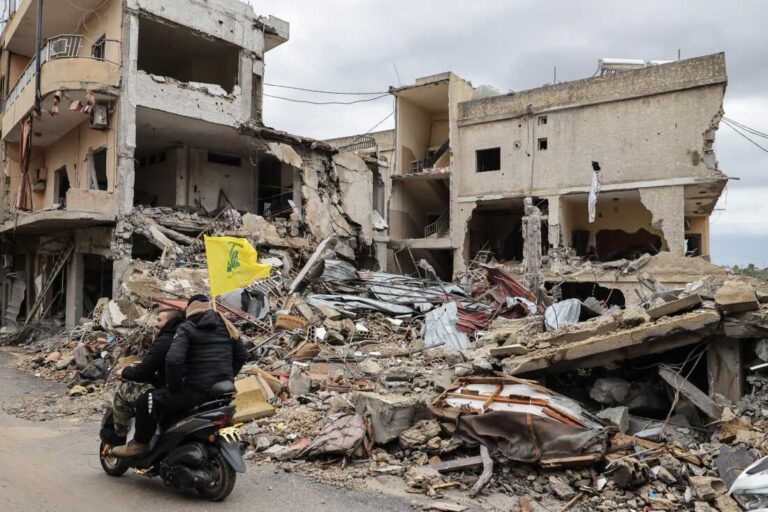
Nigeria’s insecurity is multifaceted. While some attacks are motivated by religious extremism targeting both Christians and Muslims, many stem from long-running clashes between farmers and herders, ethnic rivalries, land disputes, separatist movements, and criminal gangs. The Boko Haram insurgency, rooted in Nigeria’s northeast, continues to destabilize regions through acts of terror and kidnappings.
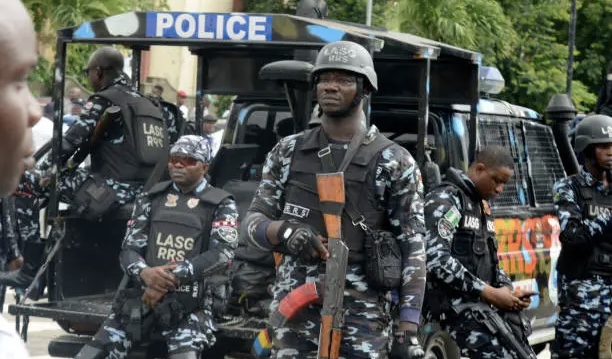
The country — home to roughly 220 million people, split almost evenly between Christians and Muslims — remains strained by rising violence, complex social tensions, and limited security capacity. Armed gangs, particularly in central Nigeria, have intensified kidnappings and attacks in recent years.
About the Author