
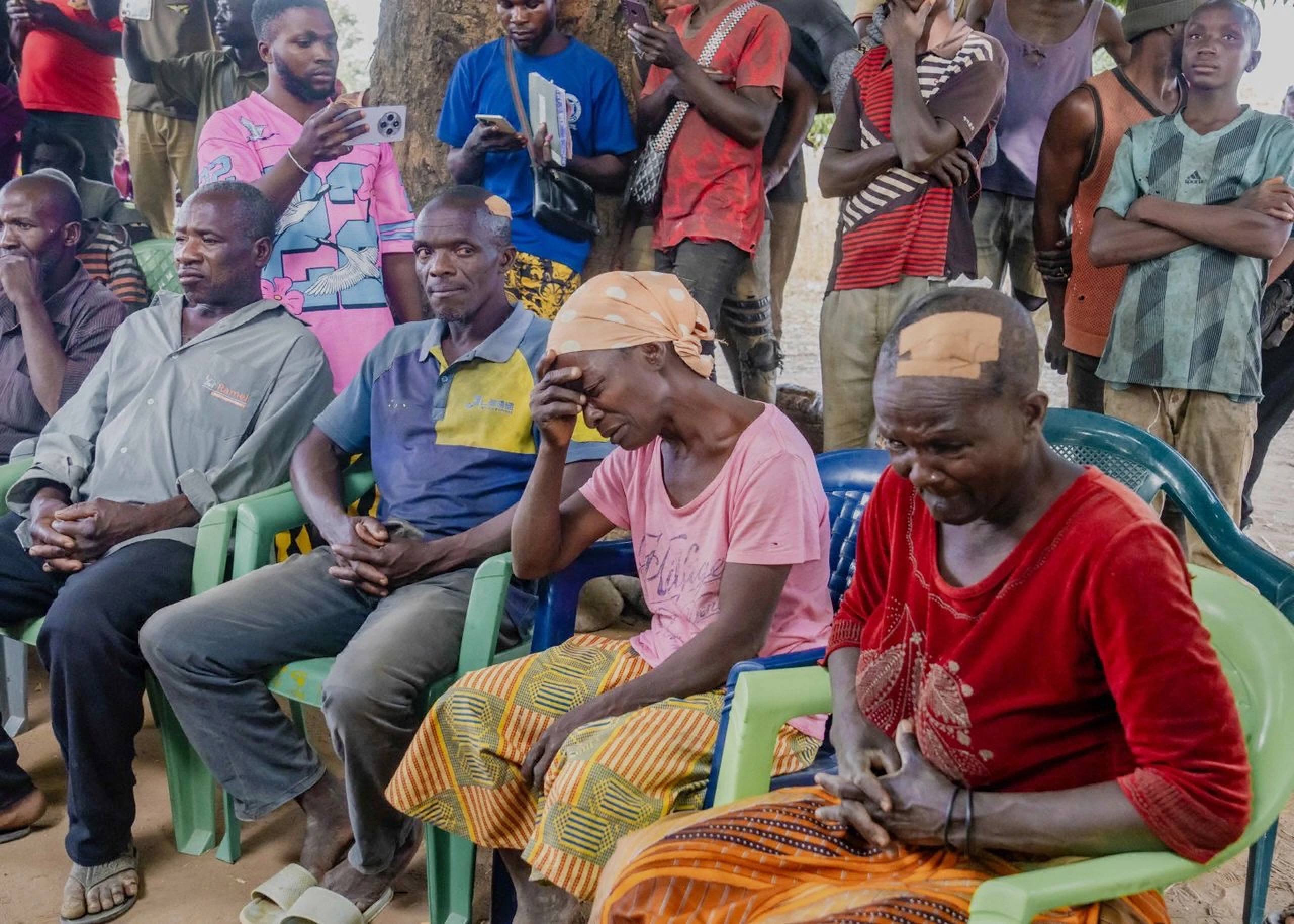
Attackers who carried out coordinated raids on churches in Kaduna State have begun demanding ransoms, as Nigerian security forces intensify efforts to locate and rescue more than 150 abducted worshippers.
The mass abductions occurred on Sunday in the Kajuru Local Government Area of Kaduna State, where gunmen stormed three separate churches during worship services. A total of 177 people were seized, although 11 victims managed to escape shortly after the attack.
Security agencies have since deployed tactical response teams to track the kidnappers, who are believed to be part of criminal gangs notorious for ransom-driven abductions in remote communities with weak state and security presence.
Speaking on Thursday, local residents revealed that the attackers had contacted families of the hostages, demanding 17 motorcycles as a condition to open negotiations for their release. The motorcycles are estimated to be worth about $1,000 each, bringing the total demand to roughly $17,000.
“They said they want 17 motorcycles and have not yet mentioned money,” said Ishaku Dan’azumi, the village head of Kurmin Wali.
Sebastine Barde, president of the Adara Development Association, explained that the demand was meant to replace motorcycles lost by the attackers during the operation. In Nigeria’s conflict-prone regions, armed groups frequently rely on motorcycles to move swiftly through forest reserves that serve as hideouts, allowing them to evade security patrols.
Kaduna State Governor Uba Sani visited the affected communities in Kajuru on Wednesday and assured residents that the government is working closely with security agencies to rescue the abducted worshippers.
“Our administration will continue to pursue peace, security and inclusive development,” the governor said.
The latest abductions come amid heightened international scrutiny of Nigeria’s security situation. In recent months, the United States government has accused Nigeria of failing to adequately protect Christians, allegations that Nigerian authorities have disputed, noting that both Christians and Muslims are affected by the violence.
The accusations have strained diplomatic relations between the two countries and preceded U.S. airstrikes in December targeting alleged Islamic State-linked fighters on Nigerian soil, an operation the Nigerian government said it was aware of.
About the Author