
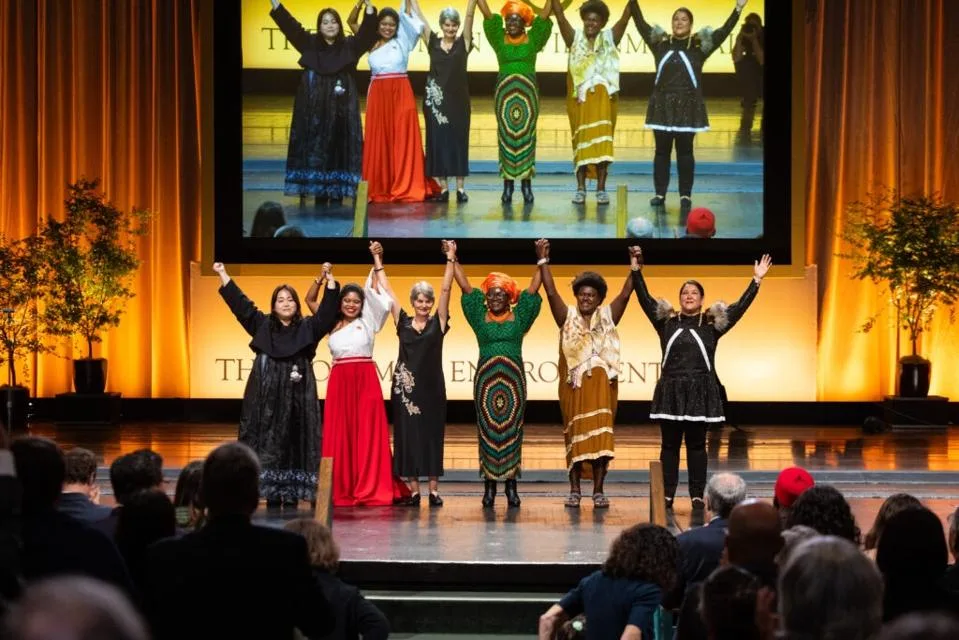
Six outstanding women from across the globe have been honoured with the 2026 Goldman Environmental Prize, widely regarded as the world’s most prestigious grassroots environmental award and often described as the “Green Nobel.”
For the first time since the prize was established in 1989 by philanthropists Richard Goldman and Rhoda Goldman, all six recipients are women, recognised for their courageous efforts to combat climate change, defend ecosystems, and protect biodiversity.
This year’s winners are:
- Iroro Tanshi – Nigeria
- Borim Kim – South Korea
- Sarah Finch – United Kingdom
- Theonila Roka Matbob – Papua New Guinea
- Alannah Acaq Hurley – United States
- Yuvelis Morales Blanco – Colombia
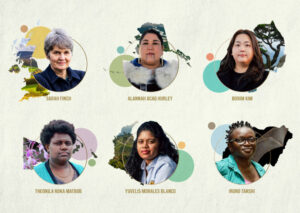
Each winner, selected from one of the world’s six major geographic regions, receives $200,000 in prize money.
According to John Goldman, the winners exemplify leadership and resilience in the global fight for environmental justice.
He said the awardees prove that “courage, hard work, and hope go a long way toward creating meaningful progress.”
Among the most notable winners is Yuvelis Morales Blanco from Colombia, who successfully challenged some of the world’s largest oil companies to halt the introduction of commercial fracking in the country.
The 24-year-old activist, who grew up in the Afro-Colombian fishing community of Puerto Wilches, began mobilising protests after a major oil spill in 2018 devastated local livelihoods, displaced families, and killed thousands of animals along the Magdalena River. Her efforts helped elevate fracking into a major issue during Colombia’s 2022 elections.
In Asia, Borim Kim earned recognition for leading a landmark legal victory in South Korea. Through her organisation, Youth 4 Climate Action, she secured a historic ruling from the country’s Constitutional Court, which found that the government’s climate policy violated the constitutional rights of future generations. It marked the first successful youth-led climate lawsuit in Asia.
From the United Kingdom, Sarah Finch was celebrated for her decade-long campaign against oil drilling in southeastern England. Working alongside the Weald Action Group, she secured the landmark “Finch ruling” from the UK Supreme Court in 2024, which requires authorities to consider the global climate impact of fossil fuel extraction before approving drilling projects.
The award also recognised activists fighting the destructive effects of mining.
In Papua New Guinea, Theonila Roka Matbob successfully pressured mining giant Rio Tinto to address the long-standing environmental and social damage caused by the Panguna copper mine, decades after its closure.
In North America, Alannah Acaq Hurley, representing the Yup’ik Nation, worked with 15 tribal nations to stop a major copper and gold mining project in Bristol Bay, protecting one of the world’s largest wild salmon ecosystems.
Africa’s winner, Iroro Tanshi from Nigeria, was recognised for her groundbreaking conservation work after rediscovering the endangered short-tailed roundleaf bat. She continues to protect its habitat in the Afi Mountain Wildlife Sanctuary, where the species faces threats from human-induced wildfires.
The 2026 awards shine a bright spotlight on women leading the global environmental movement, each turning local battles into victories with worldwide significance.
About the Author