
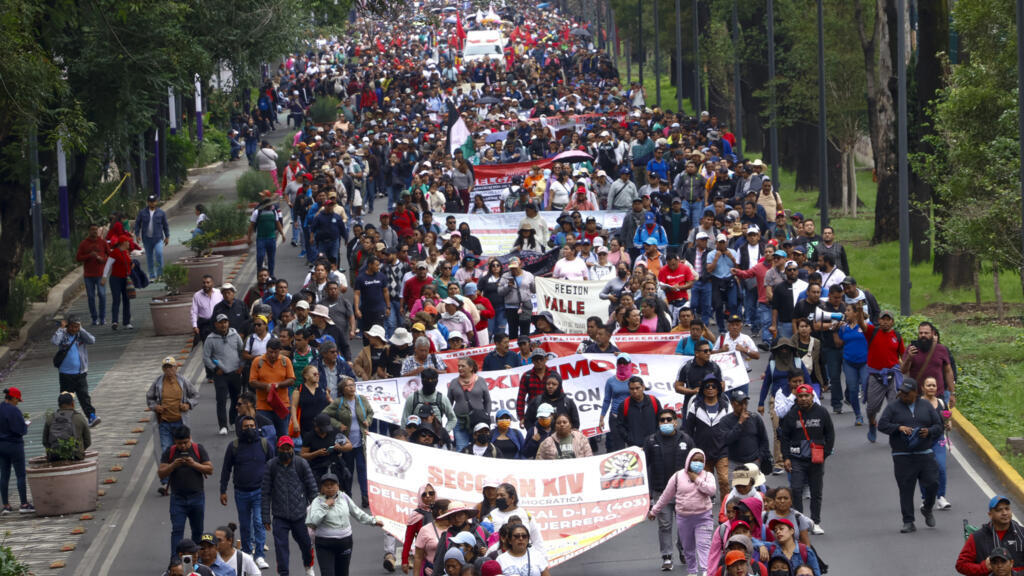
Thousands of demonstrators flooded major roads leading to a World Cup stadium in a dramatic protest that brought traffic to a standstill and drew global attention to growing public dissatisfaction over social, economic, and political issues.
The large-scale demonstration unfolded near one of the host venues connected to preparations for an upcoming FIFA World Cup event, with protesters occupying key transport routes and demanding urgent action from authorities.
Images and videos circulating online showed vast crowds carrying banners, chanting slogans, and marching toward strategic locations around the stadium complex, creating significant disruptions for commuters, businesses, and event organizers.
The protest quickly became one of the most talked-about international stories of the day, highlighting the growing use of major sporting venues as symbolic focal points for public demonstrations.
Major Access Routes Brought To A Halt
According to reports from local authorities and media outlets, protesters gathered in large numbers during the early hours before moving toward roads leading to the stadium.
As the crowd expanded:
- Key highways and access routes became impassable
- Public transportation services experienced delays
- Traffic congestion spread to the surrounding districts
- Security personnel were deployed to manage crowd movement
Witnesses described scenes of packed roadways stretching for several kilometers, with demonstrators determined to maintain pressure on authorities by disrupting normal activities.
The protest transformed what is usually a corridor of sporting excitement into a river of political expression.
Why Protesters Took To The Streets
While the specific grievances varied among participating groups, organizers reportedly cited several concerns.
Among the issues raised were:
- Rising living costs
- Economic inequality
- Public spending priorities
- Employment challenges
- Social welfare concerns
- Government accountability
Many demonstrators argued that billions are often invested in major sporting infrastructure while ordinary citizens continue to face economic hardship.
Protest leaders said the stadium location was chosen deliberately because global sporting events attract international media attention and provide a platform for public concerns to reach a wider audience.
Several banners carried messages urging policymakers to focus more heavily on healthcare, housing, education, and job creation.
World Cup Preparations Face Unwanted Spotlight
The protest comes at a sensitive time for tournament organizers who have been working to ensure smooth preparations ahead of the competition.
Major sporting events typically generate:
- Tourism revenue
- International investment
- Infrastructure development
- Global media exposure
However, they can also trigger controversy regarding public spending and urban development projects.
Critics argue that governments sometimes prioritize showcase projects while neglecting essential social programs.
Supporters of tournament investments, on the other hand, contend that large sporting events create jobs, improve infrastructure, and stimulate economic activity.
The latest demonstration has therefore reignited an old debate that frequently accompanies major international sporting competitions.
Security Forces Respond
Authorities deployed police and security personnel to maintain order and prevent clashes.
Officials reported that:
- Crowd-control measures were implemented
- Emergency access routes were protected
- Traffic diversions were established
- Negotiations were initiated with protest organizers
While tensions rose at certain moments, early reports suggested that the demonstration remained largely peaceful.
Law enforcement agencies urged participants to respect public safety while exercising their right to protest.
Officials also reassured the public that security plans for the World Cup remained intact despite the disruption.
Global Attention Turns To The Host Nation
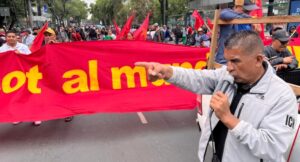
Because the protest occurred near a World Cup venue, international media outlets rapidly amplified coverage of the event.
Political analysts note that demonstrations linked to globally recognized sporting locations often attract greater attention than protests elsewhere.
The stadium itself became more than a sports venue during the demonstration.
For several hours, it stood as a towering backdrop to competing visions of national priorities, with one side emphasizing economic progress through global events and the other demanding greater focus on everyday struggles faced by citizens.
Like a giant spotlight normally aimed at football heroes, the stadium suddenly illuminated public frustration instead.
Social Media Fuels Worldwide Discussion
The demonstration generated significant online engagement.
Videos showing crowds filling major roadways quickly accumulated millions of views across social platforms.
Trending topics included:
- Protest demands
- World Cup preparations
- Public spending debates
- Security responses
- Economic concerns
Supporters praised protesters for drawing attention to important issues, while critics argued that blocking public infrastructure unfairly inconvenienced residents and businesses.
The online debate reflected broader divisions over how citizens should express dissatisfaction and how governments should respond.
Economic Impact Of The Demonstration
Business groups expressed concern over the immediate effects of the road blockade.
Potential consequences included:
- Delayed deliveries
- Reduced commercial activity
- Transportation disruptions
- Additional security expenses
Event planners also monitored the situation closely to assess whether future World Cup-related activities could be affected.
Although authorities expect the disruptions to be temporary, analysts say prolonged demonstrations could affect investor confidence and public perceptions of the tournament’s readiness.
The Growing Intersection Of Sports And Politics
The incident highlights a broader global trend in which major sporting venues increasingly become stages for social and political expression.
From international tournaments to domestic leagues, sports facilities often serve as highly visible locations where citizens seek to amplify their voices.
Experts say such demonstrations are likely to continue because:
- Sporting events attract media coverage
- Venues symbolize national priorities
- Large crowds create visibility
- Global audiences pay attention
As a result, organizers of major tournaments are increasingly required to navigate both logistical challenges and broader societal debates.
About the Author