
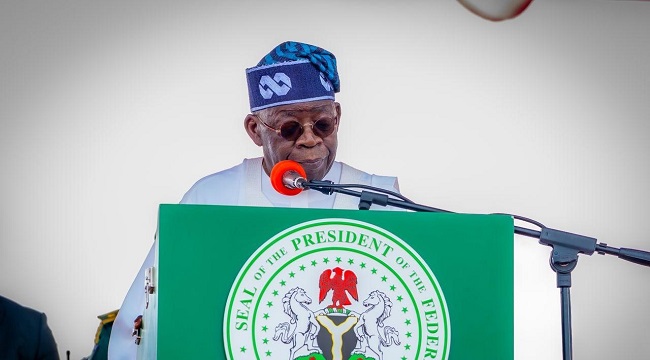
President Bola Ahmed Tinubu has announced the establishment of a national Ebola response task force and approved the release of ₦10 billion in emergency funding as Nigeria intensifies efforts to prevent and contain a potential outbreak of the deadly viral disease.
The move comes amid growing public health concerns following reports of Ebola-related developments within the region, prompting Nigerian authorities to activate emergency preparedness measures designed to strengthen surveillance, improve response capacity, and protect citizens from possible transmission.
Government officials say the emergency intervention reflects lessons learned from Nigeria’s successful containment of the Ebola outbreak in 2014, an achievement that earned international recognition and demonstrated the country’s ability to respond effectively to infectious disease threats.
The latest measures are expected to involve multiple ministries, health agencies, security institutions, and international partners as authorities work to ensure the nation remains prepared for any potential public health emergency.
Federal Government Activates Emergency Response
According to government sources, the newly established Ebola Task Force will coordinate national preparedness and response activities across the country.
The task force is expected to include representatives from:
- The Federal Ministry of Health
- The Nigeria Centre for Disease Control (NCDC)
- Port Health Services
- Emergency management agencies
- State health authorities
- Security and border control agencies
Officials explained that the primary goal is to ensure rapid detection, isolation, and containment of any suspected Ebola cases before widespread transmission can occur.
The government emphasized that the initiative is precautionary and aimed at safeguarding public health rather than creating panic.
₦10 Billion Emergency Fund Released
As part of the response strategy, President Tinubu approved the release of ₦10 billion to support emergency preparedness and response activities nationwide.
According to officials, the funds are expected to be allocated toward:
Healthcare Preparedness
- Upgrading isolation centers
- Procuring medical equipment
- Expanding laboratory testing capacity
- Training healthcare workers
Disease Surveillance
- Enhanced monitoring systems
- Contact-tracing operations
- Data collection and reporting infrastructure
Border Screening Measures
- Airport surveillance
- Seaport health monitoring
- Land border screening operations
Public Awareness Campaigns
- Community education programs
- Public health messaging
- Media outreach initiatives
Government representatives stressed that early investment in preparedness is significantly less costly than responding to a large-scale outbreak.
Understanding Ebola Virus Disease
Ebola Virus Disease (EVD) is a severe and often fatal illness caused by infection with one of the Ebola virus species.
Health experts note that the disease can spread through:
- Direct contact with infected bodily fluids
- Contact with contaminated surfaces or materials
- Exposure to infected animals
Common symptoms include:
- High fever
- Severe headache
- Muscle pain
- Weakness and fatigue
- Vomiting and diarrhea
- Internal or external bleeding in severe cases
Medical professionals emphasize that early detection and treatment greatly improve survival rates.
Although Ebola remains a serious health threat, modern surveillance systems and improved treatment protocols have significantly enhanced outbreak response capabilities.
Lessons From Nigeria’s 2014 Success
Many Nigerians remember the 2014 Ebola outbreak, when the country successfully prevented what could have become a major public health disaster.
Following the arrival of an infected traveler in Lagos, Nigerian health authorities launched an aggressive containment effort that included:
- Extensive contact tracing
- Rapid isolation measures
- Public awareness campaigns
- Coordination among multiple agencies
The response ultimately stopped the outbreak before it spread widely.
Public health experts frequently cite Nigeria’s 2014 experience as one of Africa’s most successful disease-containment operations.
That history is now shaping the government’s current preparedness strategy.
Like firefighters racing to a distant spark before it becomes a wildfire, authorities appear determined to act before any potential threat can gain momentum
International Cooperation Expected
Health officials say Nigeria is expected to work closely with international organizations and regional health partners.
Potential collaborators may include:
- World Health Organization
- Africa Centres for Disease Control and Prevention
- Regional health ministries
- International medical response organizations
Experts note that infectious diseases do not recognize national borders, making international cooperation essential for effective prevention and containment.
Information sharing, laboratory support, and coordinated surveillance are expected to play important roles in the response strategy.
Increased Monitoring At Borders
Authorities have announced plans to strengthen health screening procedures at major points of entry into Nigeria.
Measures may include:
- Temperature screening
- Health declaration forms
- Travel history reviews
- Enhanced monitoring of travelers arriving from affected areas
Officials say these precautions are intended to identify potential risks early and reduce the likelihood of cross-border transmission.
Nigeria’s major airports and international transit hubs are expected to receive additional support under the emergency funding package.
Public Reactions And Health Communication
News of the task force and emergency funding has generated widespread public interest.
Many citizens have welcomed the government’s proactive approach, particularly given memories of previous outbreaks.
Health experts have also urged Nigerians to:
- Follow official health advisories
- Avoid spreading unverified information
- Maintain good hygiene practices
- Report suspected symptoms promptly
Medical professionals stress that accurate information remains one of the most powerful tools during public health emergencies.
Officials have warned against misinformation, noting that rumors can sometimes spread faster than diseases themselves.
Economic And Social Implications
Beyond health concerns, preparedness efforts also aim to protect economic stability.
A major outbreak could potentially affect:
- Trade and commerce
- Travel and tourism
- Educational institutions
- Healthcare systems
- Workforce productivity
Analysts say proactive investments in prevention help minimize long-term social and economic disruptions.
The ₦10 billion emergency fund is therefore being viewed not only as a health intervention but also as a measure designed to safeguard national stability.
About the Author