
Kenya has confirmed seven cases of Ebola following the detection of four additional infections, including three health workers who treated the country’s first confirmed patient. The latest developments have intensified efforts to contain the deadly Bundibugyo strain of the virus, with authorities continuing contact tracing, quarantine, testing and patient care.
The new cases were announced on Saturday, October 17, 2026, by Kenya’s Ministry of Health. According to reports, the four newly confirmed patients were already in quarantine when they developed symptoms and tested positive. Their identification brings the country’s total to seven confirmed cases, including the first patient, who died on October 5.
The outbreak is linked to the ongoing Ebola epidemic in the neighbouring Democratic Republic of the Congo (DRC), where thousands of infections and deaths have been reported since May 2026.
Despite the increase in confirmed infections, Kenyan health authorities have said there is currently no evidence of wider community transmission. Officials are continuing to monitor people who may have been exposed to the virus in an effort to prevent further spread.
Three Health Workers Among the Newly Confirmed Cases
One of the most concerning developments is the confirmation that three Kenyan health workers who cared for the first patient have contracted the virus.
The affected healthcare professionals reportedly include two men and one woman, aged 29, 35 and 32, respectively. They had been placed in quarantine after their exposure to the initial patient and were being monitored before their infections were confirmed.
The fourth newly confirmed patient is a male relative of the first patient who died. He had also been in quarantine since October 6.
The Ministry of Health said the newly identified patients were isolated and receiving medical care. The second and third patients confirmed earlier in the outbreak were reported to be in stable condition and responding to supportive treatment.
The detection of these infections highlights the importance of strict infection-prevention measures, particularly when healthcare workers manage patients with symptoms that could be associated with Ebola.
Authorities are continuing to investigate possible exposure routes and monitor individuals identified through contact tracing.
How the Ebola Outbreak Began in Kenya
Kenya confirmed its first imported case of Bundibugyo Ebola virus disease on October 6, 2026.
The first patient was a 40-year-old Kenyan man who had been living in the Democratic Republic of the Congo. According to Kenya’s Ministry of Health, he had been ill for approximately a month and had received treatment at several hospitals in the DRC before travelling to Kenya.
His journey reportedly included road travel to Kampala, Uganda, followed by a flight to Nairobi. He arrived at Jomo Kenyatta International Airport on October 3 and was subsequently taken to hospital, where he was assessed and isolated.
The patient presented with symptoms that included fever, chills, fatigue, muscle pain, painful swallowing, a sore throat and bleeding beneath the skin at injection sites.
Laboratory testing by Kenya’s National Virology Reference Laboratory and the Kenya Medical Research Institute confirmed Bundibugyo Ebola virus disease.
Despite receiving supportive treatment, the patient died on October 5.
Following the confirmation, health authorities began identifying and monitoring people who had been in contact with him, including family members, healthcare professionals and passengers who travelled on the same flight.
Two relatives subsequently tested positive. Four further infections were confirmed on October 17, bringing the total number of cases to seven.
Authorities Trace and Quarantine More Than 100 Contacts
Contact tracing has become a central part of Kenya’s response to the outbreak.
As of October 17, authorities had identified approximately 130 people who may have had contact with the first patient. Of these, 128 had reportedly been traced and placed in quarantine, while two were still being sought.
The people identified include relatives, healthcare workers and other individuals who may have been exposed to the virus.
Those under observation are monitored for symptoms during the 21-day period following their last potential exposure. This period reflects the maximum recognised incubation period for Ebola, although symptoms may develop earlier.
Quarantine and daily monitoring allow health teams to identify infections quickly and isolate patients before they can expose others.
The four latest patients were already in quarantine when their infections were detected. This demonstrates the importance of identifying contacts early, although authorities must continue monitoring the remaining contacts and investigating any additional possible exposure.
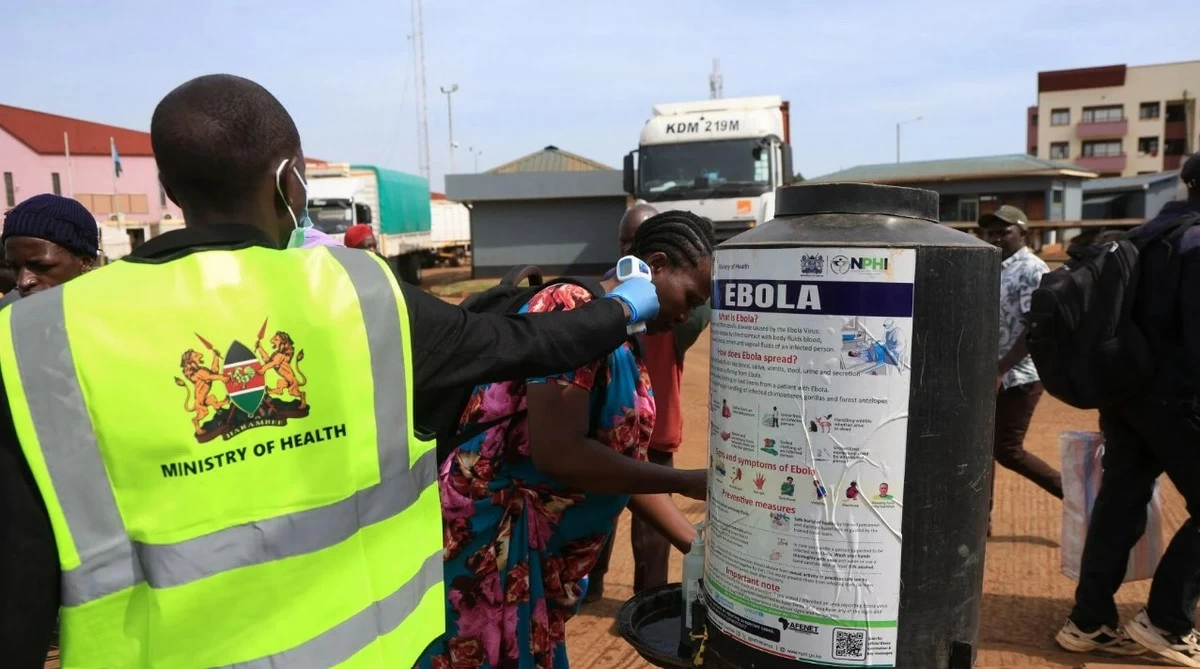
Kenya has also strengthened health screening at points of entry and established an emergency information channel for people who suspect they may have been exposed.
What Is the Bundibugyo Strain of Ebola?
The current outbreak involves Bundibugyo virus, a type of Ebola virus responsible for a potentially severe illness known as Bundibugyo Ebola virus disease.
Ebola is a viral disease that can cause serious illness and death. Early symptoms may resemble those of malaria, influenza and other common infections, making prompt medical assessment particularly important when someone has a relevant travel or exposure history.
Common early symptoms include:
- Fever
- Severe tiredness and weakness
- Headache
- Muscle and joint pain
- Sore throat
As the disease progresses, patients may develop vomiting, diarrhoea, abdominal pain and problems affecting the liver or kidneys. Bleeding can occur, but it is not present in every patient and is not necessarily an early symptom.
Ebola does not spread through the air in the way that measles or some respiratory infections do. Transmission generally occurs through direct contact with the blood or other bodily fluids of an infected person who is symptomatic, or someone who has died from the disease. Infection can also occur through contact with objects contaminated by these fluids, including clothing, bedding and medical equipment.
People who have been exposed should follow public-health instructions rather than attempting to manage a suspected infection on their own.
No Approved Vaccine or Specific Treatment for This Strain
A major challenge facing health authorities is that there is currently no licensed vaccine or specific approved treatment for Bundibugyo Ebola virus disease.
Patients receive supportive medical care tailored to their condition. This can include fluids to prevent dehydration, monitoring of vital functions and treatment of symptoms and complications.
Early diagnosis and appropriate supportive care can improve a patient’s chances of survival. Suspected cases must be assessed by trained medical professionals using appropriate infection-prevention procedures.
Researchers are also pursuing vaccine and treatment approaches for the Bundibugyo strain, but these should not be confused with vaccines or treatments developed for other Ebola virus species.
The absence of an approved vaccine or specific treatment makes prevention, early detection, isolation and contact tracing especially important.
Kenya Strengthens Its Public Health Response
Kenyan authorities have stepped up surveillance and response measures following the initial case and subsequent infections.
Before the first case was confirmed, the country had already increased its preparedness because of the Ebola epidemic in the DRC. The Ministry of Health reported that more than 652,000 travellers had been screened and nearly 5,000 healthcare workers had received training in Ebola prevention and case management.
Response measures include laboratory testing, patient isolation, contact tracing, screening at points of entry and public information campaigns.
The World Health Organization (WHO) has been supporting Kenya’s response through coordination, surveillance, laboratory services, infection prevention, patient care and public communication. It has also supplied protective equipment, testing kits and screening equipment.
The WHO has emphasised that identifying and monitoring contacts, alongside rapid isolation of patients, remains central to preventing wider transmission.
Kenyan officials have urged members of the public to remain vigilant, follow official health guidance and avoid spreading unverified information about the outbreak.
Is Kenya Facing Widespread Community Transmission?
As of October 17, health authorities had reported seven confirmed cases, including the initial patient who died. The newly confirmed infections are linked to the first case, and officials have said there is no evidence of wider community transmission.
However, the detection of additional infections shows that the risk of further cases remains while exposed individuals are being monitored.
The situation requires continued vigilance, particularly because the latest infections include healthcare workers who treated the initial patient. Health officials must continue assessing whether all potential contacts have been identified and whether infection-prevention procedures are being consistently applied.
At this stage, the confirmed case count should not be interpreted as proof that the virus is spreading uncontrollably throughout Kenya. Equally, the absence of reported community transmission does not mean that the outbreak has ended.
The situation remains under investigation, and the figures may change as testing and surveillance continue.
What Should Members of the Public Do?
Health authorities advise people to seek guidance from recognised health facilities if they develop symptoms and believe they may have been exposed to Ebola.
Members of the public should:
- Follow official updates: Use announcements from Kenya’s Ministry of Health and the WHO rather than unverified social media claims.
- Report possible exposure: Inform healthcare professionals about relevant contact with a confirmed or suspected case.
- Seek medical advice promptly: Fever and other symptoms do not automatically mean Ebola, but possible exposure should be taken seriously.
- Avoid contact with potentially infectious bodily fluids: Do not handle contaminated clothing, bedding or other materials without appropriate professional guidance.
- Follow quarantine instructions: People identified as contacts should cooperate with health teams and complete the required monitoring period.
- Avoid panic and stigma: Infected people and their families need appropriate medical care and support, not discrimination.
Kenya’s Ministry of Health has previously directed members of the public to its toll-free 719 health information line for health-related guidance.
Anyone who suspects exposure should contact local health authorities or a recognised health facility for instructions before travelling to a facility unannounced.
Regional Implications as Ebola Continues to Affect the DRC
Kenya’s cases are connected to a much larger public-health emergency in the Democratic Republic of the Congo.
The DRC has been dealing with a major Bundibugyo Ebola outbreak since May 2026, with reported infections and deaths numbering in the thousands. The spread of cases across borders has reinforced the need for regional coordination, travel-related surveillance and rapid sharing of health information.
The first confirmed case in Kenya travelled from the DRC through Uganda before arriving in Nairobi. The subsequent infections demonstrate how an outbreak in one country can create public-health challenges elsewhere, particularly when infected individuals travel before the disease is recognised.
Regional health authorities and international partners are therefore working to strengthen detection, contact tracing and preparedness.
For Kenya, the immediate priority is to identify every person who may have been exposed, provide timely care to confirmed patients and prevent further transmission.
The bottom line: Kenya is facing a serious and developing Ebola response following seven confirmed cases. The next phase will depend heavily on effective contact tracing, infection prevention, timely medical care and transparent public communication. Authorities continue working to contain the infections and prevent further spread.
About the Author