
AU Convenes Amid Rising Youth Frustration
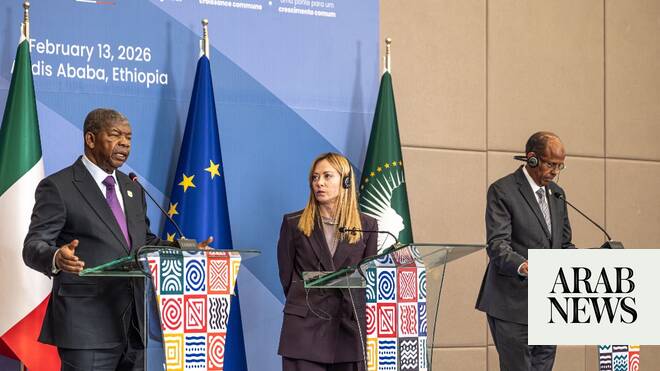
The African Union (AU) has opened its 2026 summit in Addis Ababa, bringing together heads of state to deliberate on water, sanitation, climate change, insecurity, and shifting geopolitical realities.
Established to promote unity and solidarity among African states, the AU now faces growing criticism from young citizens across the continent who question whether it still reflects their aspirations.
While leaders meet in conference halls, many young Africans are online asking whether a bloc of ageing political elites can effectively chart the future of one of the world’s youngest populations.
A Growing Legitimacy Crisis
Critics argue that the gap between the AU’s founding ideals and citizens’ lived realities continues to widen.
The continental body has been accused of prioritising heads of state over ordinary households, elite consensus over grassroots accountability, and diplomatic symbolism over tangible reforms.
For many observers, moments such as the AU’s response to Uganda’s 2021 elections raised serious concerns. Despite reports of voter intimidation, internet shutdowns, and harassment of civic actors, the continental body commended the process, sending what critics describe as a troubling signal about its democratic standards.
Who Holds Responsibility?
The duty bearers include:
-
The African Union Commission, chaired by Mahamoud Ali Youssouf
-
The Assembly of the African Union
-
Member state governments, particularly those that fail to meet financial obligations, undermine AU resolutions, manipulate electoral processes, or restrict civic freedoms
These institutions are responsible for upholding the values embedded in continental frameworks, including the African Charter on Democracy, Elections and Governance.
Youth Demands: Participation, Enforcement, Consequences
Across the continent, young citizens are calling for:
-
Transparent election observation missions with enforceable consequences
-
Consistent sanctions against unconstitutional changes of government and flawed elections
-
Stronger protection for civil liberties and civic space
-
Institutional reforms that allow youth meaningful participation in continental governance
Critics argue that the AU cannot condemn coups in one instance while appearing to endorse disputed elections in another without damaging its credibility.
The Systemic Challenge
Beyond specific controversies, the broader issue is continental governance structures that have struggled to evolve with Africa’s demographic realities.
Africa’s population is predominantly young, yet decision-making remains heavily concentrated among older political elites. Many young people say they feel politically excluded within their own region.
The consequences of weak enforcement mechanisms and inconsistent democratic standards disproportionately affect:
-
Young people
-
Women and girls
-
Persons living with disabilities
-
Rural and low-income communities
These groups often have the least representation in AU decision-making processes.
What Citizens and Institutions Must Do
Citizens are urged to:
-
Hold national governments accountable for weakening continental structures
-
Engage lawmakers and foreign ministries on AU reform commitments
-
Demand that political candidates outline clear positions on AU governance reforms
-
Use civic platforms to push for greater transparency and participation
For the AU and its member states, reform must include:
-
Strengthening enforcement mechanisms
-
Protecting election observers from political interference
-
Issuing timely and honest statements during democratic violations
-
Establishing formal youth oversight platforms with genuine influence
-
Ensuring member states meet financial obligations and respect democratic norms
Beyond Symbolic Unity
As leaders deliberate in Addis Ababa, the core question remains whether the AU can transition from symbolic unity to citizen-centred governance.
For many young Africans, the summit represents not just another diplomatic gathering, but a test of whether continental leadership is prepared to close the widening gap between promises and lived realities.
About the Author