
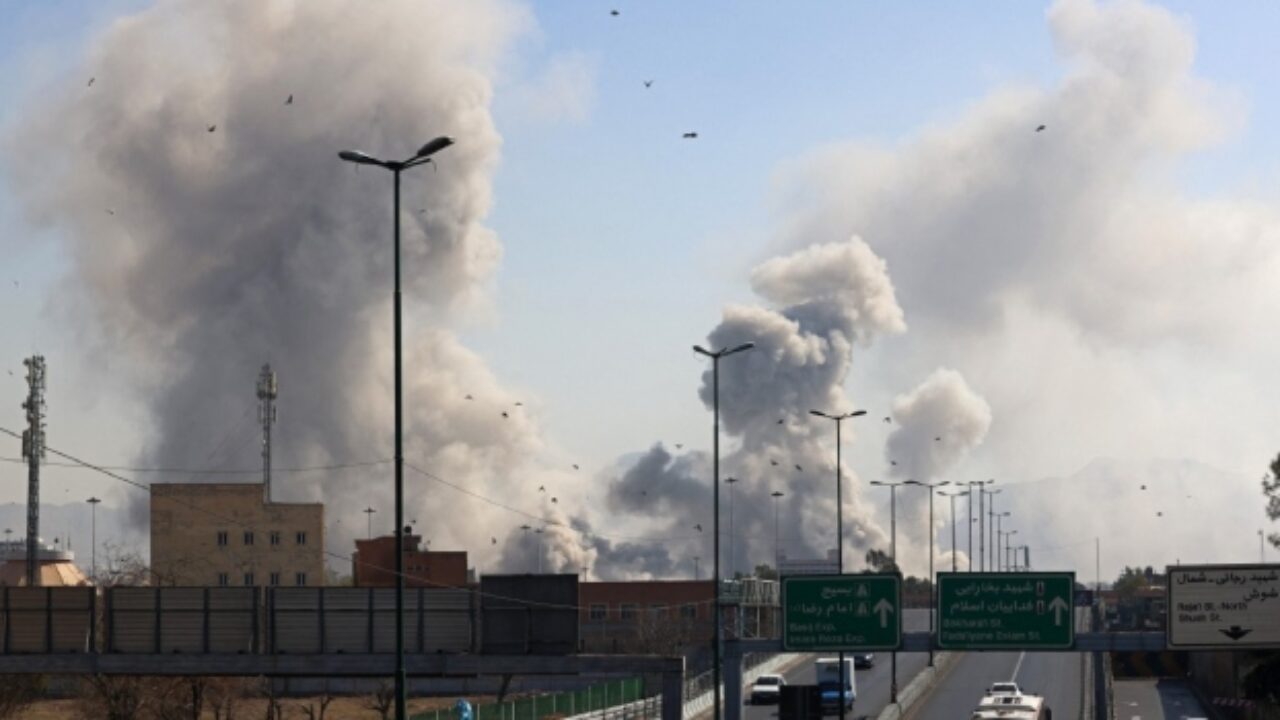
The ongoing war in the Middle East is beginning to ripple across Africa, threatening economic stability, trade routes, and geopolitical relationships across the continent.
Analysts say the timing could hardly be worse for African economies. Many nations had just begun to experience relief from debt pressures due to a weaker U.S. dollar and declining global interest rates.
According to Hubert Kinkoh, a senior researcher at the CARPO think tank, Africa is “structurally exposed” to the Middle East crisis.
“Energy imports, foreign military bases, and proximity to major maritime chokepoints mean the war’s effects reach African shores quickly,” Kinkoh noted.
Security Risks in the Horn of Africa
The conflict also raises security concerns in the Horn of Africa, particularly in areas hosting foreign military facilities.
Camp Lemonnier in Djibouti, home to roughly 4,000 U.S. military personnel, lies less than 100 miles from Yemen.
The proximity raises fears of potential attacks from the Iran-backed Houthi Movement, which possesses ballistic missiles, anti-ship missiles, and drones supplied by Iran.
Although the Houthis have not yet entered the conflict, they previously disrupted global shipping in the Red Sea during the Israel–Hamas War by attacking commercial vessels.
Another location under scrutiny is the port city of Berbera in Somaliland. The strategic port and military base there is operated by the United Arab Emirates, a regional rival of Iran.
Israel recently became the first country to recognise Somaliland’s independence from Somalia, and diplomatic sources suggest Western troops may already be present in the territory.
Trade Disruptions and Rising Prices
The conflict is also disrupting global shipping routes.
Increased insecurity near the Suez Canal has forced many vessels to reroute around the longer and more expensive path around the Cape of Good Hope.
This shift is pushing up global prices for energy, food, and other essential goods.
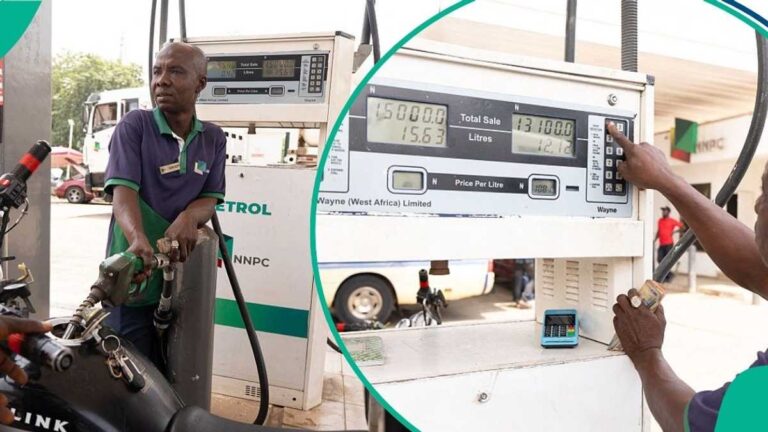
Even oil producers like Nigeria are not fully benefiting from higher oil prices. Nigeria has locked in lower prices through long-term contracts and still imports most of its refined fuel due to limited domestic refining capacity.
As a result, fuel pump prices in Nigeria rose by about 14 percent during the week.
According to the Nigerian research firm SBM Intelligence, the crisis highlights the risks of the country’s cautious foreign policy approach.
The firm said the government’s “wait-and-see” stance leaves its economic interests vulnerable to forces beyond its control, a criticism analysts say applies to many African governments.
Migrant Workers and Remittance Risks
Another potential economic shock involves remittances.
Hundreds of thousands of African migrants work in Gulf countries such as Saudi Arabia and the United Arab Emirates, sending billions of dollars home each year.
Escalating conflict in the region could threaten these workers and disrupt the flow of remittances that many African families rely on.
Previous Middle East crises have also exposed the lack of evacuation planning and emergency support systems for African migrants abroad.
Diplomatic Tensions
Some African countries are facing diplomatic pressure over their positions in the conflict.
South Africa is considered particularly vulnerable diplomatically after criticizing Israel and hosting Iranian warships for naval exercises earlier this year.
Security analyst Timothy Walker of the Institute for Security Studies said South Africa may struggle to present itself as neutral.
Another analyst, William Gumede from the University of the Witwatersrand, warned that the country’s geopolitical stance could even risk U.S. sanctions.
“Our economy is extremely vulnerable. We cannot afford to grandstand globally,” he said.
Shifting Geopolitics in Africa
In the long term, the war could reshape geopolitical competition in Africa.
Regional powers such as Turkey, Saudi Arabia, and the United Arab Emirates have increasingly expanded their influence across Africa.
Their activities include building ports and infrastructure, supplying drones, establishing military bases, and investing in oil projects, particularly in East Africa.
These powers have also been accused of fueling conflicts in countries such as Sudan, Ethiopia, and Somalia.
However, analysts suggest the new war could also reduce external involvement in African conflicts.
According to SBM Intelligence, if the UAE becomes more focused on defending its own territory, it may scale back its involvement in African disputes, potentially creating space for African-led peace initiatives.
About the Author